
Blocking the P2X7 receptor reduced inflammation in human brain tissue — ScienceDaily
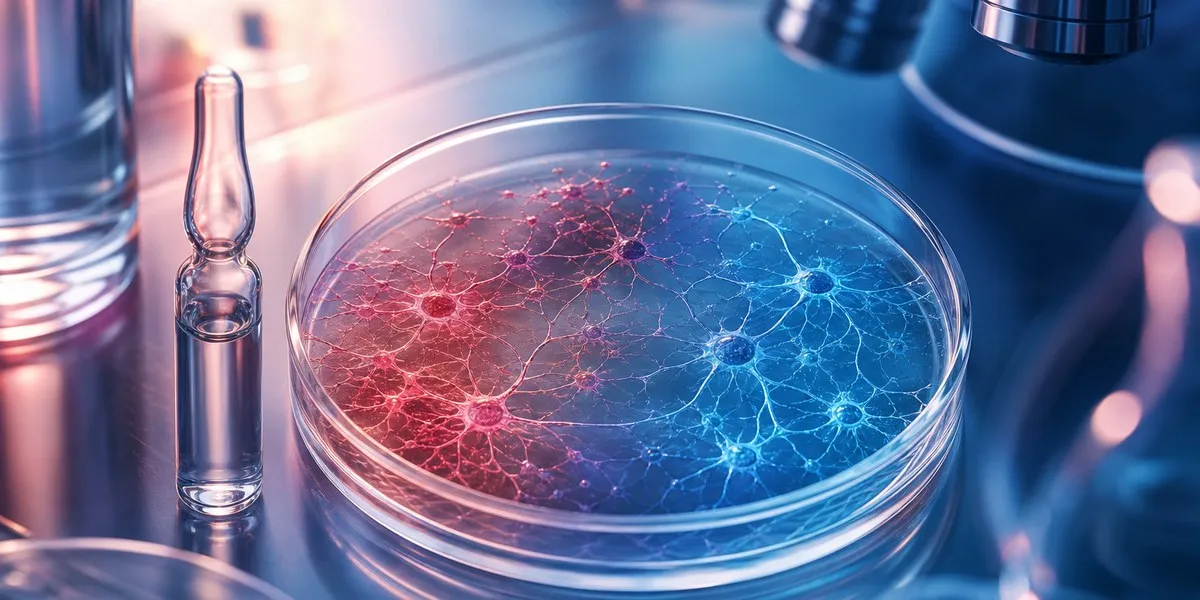
Researchers at the University of Birmingham found that blocking the P2X7 receptor significantly reduces the inflammatory response in human brain tissue. The findings, published in the journal Brain, could provide a basis for further research into approaches to treating conditions associated with neuroinflammation, ScienceDaily reports.
A receptor that triggers inflammatory signals
The scientists studied P2X7, a receptor involved in triggering inflammatory signals. They used cultures of living human brain cells as well as brain tissue slices obtained during neurosurgical operations. The researchers found that P2X7 receptors promote the release of cytokines, proteins that regulate the inflammatory response.
After applying a specific P2X7 antagonist, the inflammatory response in human brain tissue decreased significantly. The authors indicate that this receptor may be an important therapeutic target for conditions in which inflammation plays a role, including traumatic brain injuries, Alzheimer's and Parkinson's diseases, depression, psychosis, schizophrenia, and multiple sclerosis.
More current news is available on the UA.News Telegram channel Telegram.
A human microglia model
An important part of the work was the study of microglia, immune cells that coordinate the brain's response to injury and inflammation. The team developed a method for converting peripheral monocytes from blood samples into microglia-like cells. This model made it possible to track the response of human cells to inflammatory signals.
According to the study leader, Professor Nicholas Barnes, studying human microglia is difficult because outside the brain's natural environment, these cells quickly lose their characteristic properties. Following the results obtained in the cell model, the scientists tested them on samples of human brain tissue. They named the development of clinical trials for patients with neurodegenerative conditions and traumatic brain injuries as the next stage.




