
Up to 26% of US Army service members may have low testosterone — Ars Technica
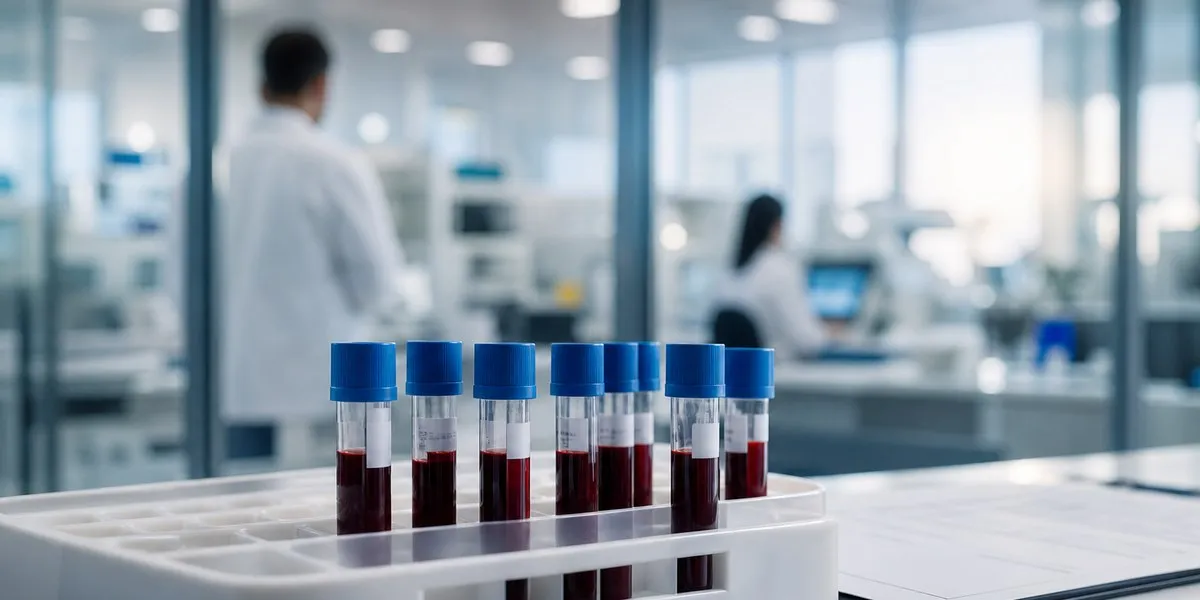
In the United States, about 26% of US Army service members may receive a test result indicating low testosterone levels during screening planned by the Pentagon. This estimate is contained in a study published in JAMA, Ars Technica reports.
Study data
Scientists from the Pennington Biomedical Research Center in Louisiana and the US Army Research Institute of Environmental Medicine in Massachusetts analyzed blood samples from 479 men serving on active duty in the US Army. The samples were collected in the morning while fasting as part of a large medical survey at five military facilities from August 2024 to January 2026.
After statistical weighting, the participants’ average age was about 30 years, and their average body mass index was 28.4. The average morning total testosterone level was 405 nanograms per deciliter.
Pentagon clinical guidelines define low testosterone as a level below 300 nanograms per deciliter. At this threshold, the researchers estimated the share of service members with a low result at 26%. If the reference threshold of the US Centers for Disease Control and Prevention — 264 nanograms per deciliter — is applied, the estimate is about 15%.
More current news is available on the UA.News Telegram channel Telegram.
Risks of mass screening
The authors emphasized that a single low reading does not mean the presence of clinical hypogonadism. Testosterone levels can vary depending on age, time of day, obesity, illnesses, physical stress, lack of sleep, injuries, and the use of certain medications. At the same time, clinically significant hypogonadism occurs in no more than 1% of men.
Low results were recorded more often among older participants and men with a higher body mass index. A low reading was found in 19.5% of men under 30 and 33% of participants aged 30 and over.
Mandatory screening applies to men aged 30 and over, while younger service members may undergo it voluntarily. Symptoms and risk factors will first be assessed, after which some military personnel may be referred for testing. The Endocrine Society and the American Urological Association do not recommend universal screening because of the risk of unnecessary examinations, inaccurate results and diagnoses, and overtreatment that may cause harm, including infertility.




