
Researchers link Mediterranean diet to two microproteins — ScienceDaily
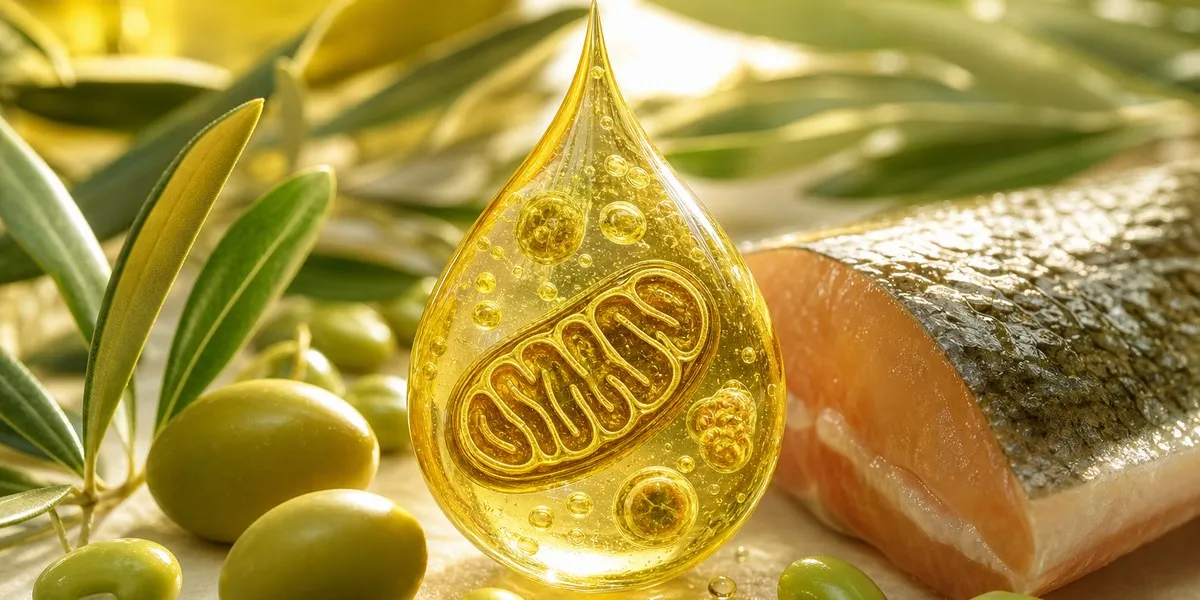
Researchers at the USC Leonard Davis School of Gerontology found that older adults whose diets more closely followed the principles of the Mediterranean diet had higher concentrations of two mitochondrial microproteins — humanin and SHMOOSE. Both have previously been linked to protection against cardiovascular disease and neurodegeneration, ScienceDaily reports.
Connection with diet
The scientists analyzed blood samples from participants who followed this dietary pattern to varying degrees. Those whose diets most closely matched the Mediterranean diet also had lower indicators of oxidative stress. This is a process in which reactive oxygen species can outweigh the body's protective mechanisms and damage proteins, DNA, and other cellular components.
Greater consumption of olive oil, fish, and legumes was associated with higher humanin levels. At the same time, olive oil consumption and fewer refined carbohydrates in the diet were associated with higher SHMOOSE levels. Refined carbohydrates include, among other things, products made from highly processed grains and sugars: white bread, pastries, and sweet snacks.
More current news is available on the UA.News Telegram channel Telegram.
Possible protective mechanism
Mitochondria produce a significant share of the energy needed by cells and also participate in regulating metabolism and responses to cellular stress. Unlike most proteins, these microproteins are encoded by regions of mitochondrial DNA. Humanin was first described in 2003; previous studies linked it to better insulin sensitivity, cardiovascular health, and the preservation of cognitive function.
The authors also observed that higher humanin levels were associated with lower activity of the Nox2 enzyme, which contributes to the production of reactive oxygen species. This allows for the possibility that humanin may limit oxidative processes that can damage blood vessels and other tissues. At the same time, the study was small and observational, so it does not prove that the Mediterranean diet itself directly raises levels of these microproteins or prevents cardiovascular disease.




