
SafeHeart reports helping more than 2,500 Nova victims in Israel — Jerusalem Post
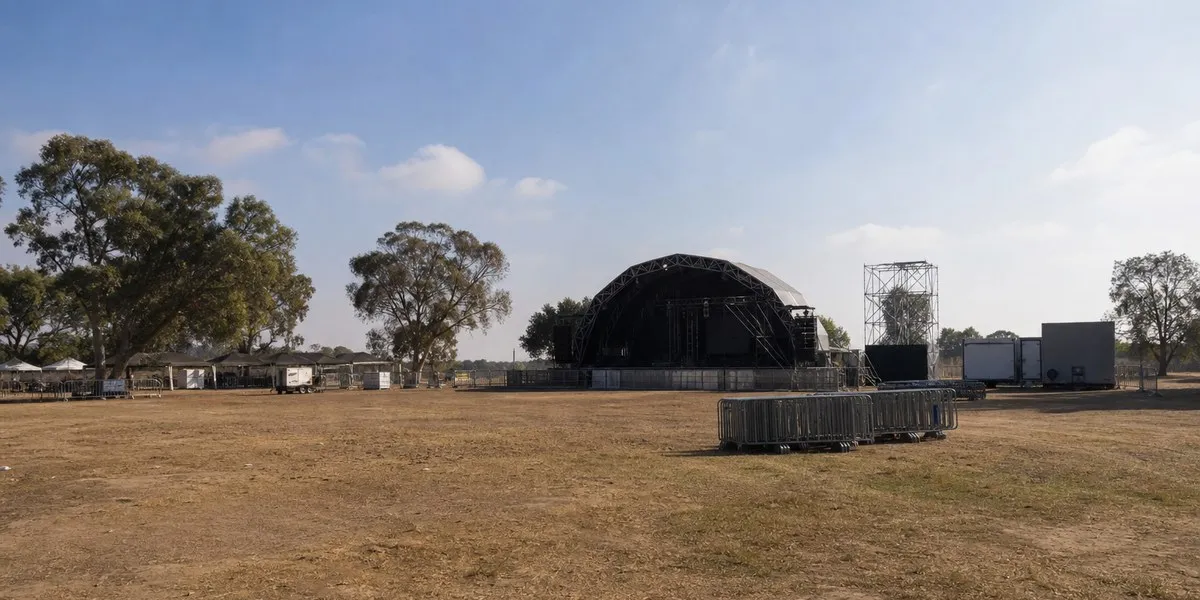
Israeli nonprofit organization SafeHeart reported that it has provided free mental health assistance to more than 2,500 people affected by the October 7 attack on the Supernova festival near Kibbutz Re’im and their families. The organization’s network includes 400 therapists, The Jerusalem Post reports.
A group of eight mental health professionals began organizing support for survivors of the attack in the first hours after the event. By October 18, they had officially formed SafeHeart. The organization provides trauma therapy, counseling, support groups, crisis intervention, and long-term psychological assistance.
Specifics of assistance for victims
According to SafeHeart Vice President of Clinical Services Reut Plonsker, about 70% of Nova attendees surveyed by the organization said they had used psychedelics or other substances during the festival. This added a specific dimension to their memories, feelings, and thoughts after the attack.
More current news is available on the UA.News Telegram channel Telegram.
Roy Salomon, head of the Consciousness and Self Research Laboratory at the University of Haifa, said he is studying the interaction of alcohol, cannabis, LSD, MDMA, cocaine, and other substances with fear and trauma. Most respondents, he said, believed that MDMA may have helped them survive and save others, but the study’s results are not yet conclusive.
From crisis response to rehabilitation
In the first weeks after the attack, some victims did not leave their homes, while their relatives often sought help from therapists on their behalf. Later, the work shifted toward long-term trauma treatment and restoring everyday life, including returning to work or studies, maintaining relationships, and overcoming persistent symptoms.
SafeHeart board chair Shiran Maor noted that sirens, subsequent attacks, and uncertainty could become new triggers for victims. The organization’s CEO, Efrat Atun, said that some people have already made noticeable progress, but for many, recovery from trauma remains a lengthy process.




