
Kenya detects C. auris strain resistant to four classes of antifungal drugs — ScienceAlert
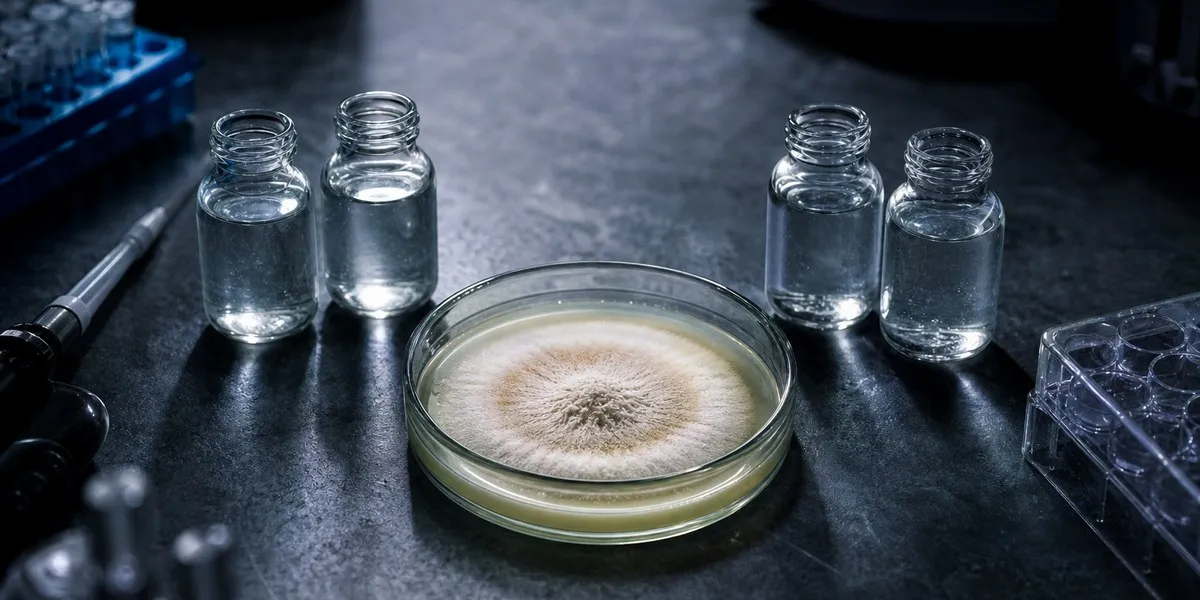
A strain of the fungus Candidozyma auris has been detected at a hospital in Nairobi, Kenya, which demonstrated resistance to all four main classes of antifungal drugs in laboratory tests. The isolate was obtained from a 28-year-old patient who developed a hospital-acquired surgical wound infection after a planned operation, ScienceAlert reports.
First documented case in Africa
Researchers described this strain as pan-resistant. During testing, it showed resistance, in particular, to fluconazole, caspofungin, micafungin, amphotericin B, and flucytosine.
The authors of the study note that this is the first documented pan-resistant C. auris in Africa and the second documented case worldwide. Such an isolate was previously recorded in New York in 2022.
More current news is available on the UA.News Telegram channel Telegram.
Mutations linked to resistance
Whole-genome sequencing identified several mutations already associated with resistance to antifungal drugs. Changes in the ERG11 and CDR1 genes are linked to azole resistance, while a change in the FKS1 gene is linked to echinocandins. A stop-gain mutation was also identified in the FUR1 gene, which is involved in flucytosine metabolism.
The genetic profile of the Kenyan strain differs from that of the pan-resistant isolate described in New York. Scientists suggest that pan-resistance may have developed independently, but do not rule out the possibility that the strain was imported from the United States. They also could not determine whether the patient’s previous use of antifungal drugs affected the development of resistance.
Candidozyma auris, previously known as Candida auris, was first described in 2009. Since then, the fungus has spread to more than 60 countries across six continents, causing outbreaks in healthcare facilities and invasive infections. In 2022, the World Health Organization classified it as a critical-priority fungal pathogen. The study was published in the journal Scientific Reports.




