
Lee orders South Korea not to apply to CPTPP this year — Korea Herald
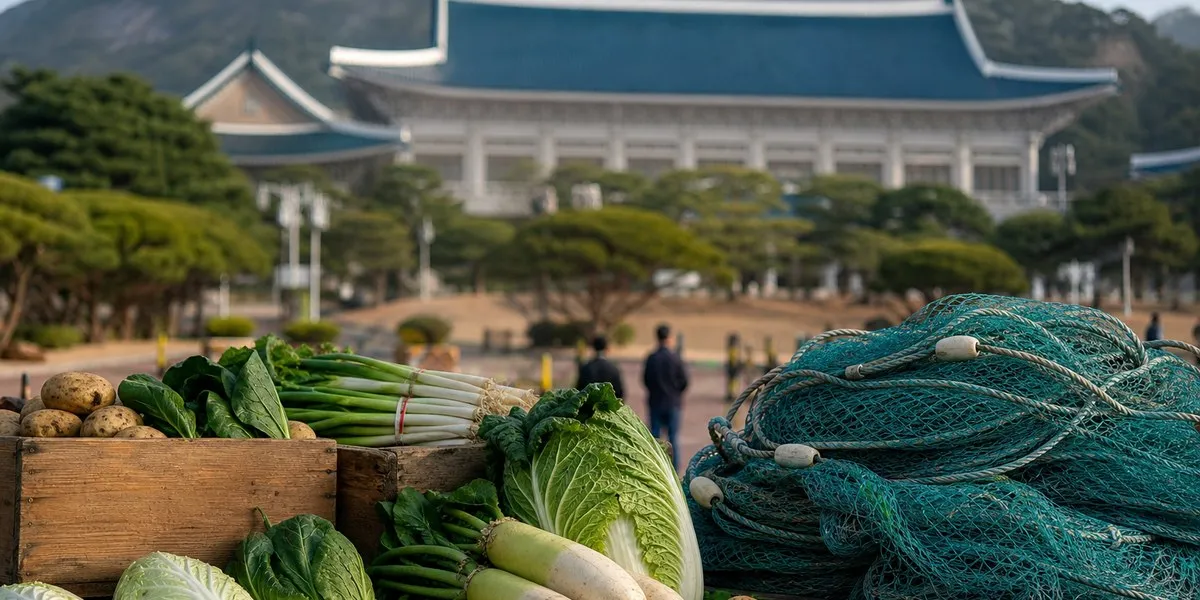
South Korean President Lee Jae Myung confirmed the need for the country to join the Comprehensive and Progressive Agreement for Trans-Pacific Partnership (CPTPP), but ordered that no membership application be submitted this year. The authorities will determine further steps regarding the agreement after broad consultations with farmers and fishers.
The president said this during a meeting with about 110 representatives of the agricultural and fisheries sectors at Cheong Wa Dae in Seoul. As Korea Herald reports, this was the first in-person meeting since 2018 between the country’s sitting president and a large group of farmers and fishers.
Compensation for producers
Lee Jae Myung stressed that agriculture, fisheries, forestry and livestock farming are strategically important for national security and the survival of the state, despite their relatively small share of the economy. He said that losses from trade liberalization policies should not fall disproportionately on farmers and fishers without adequate compensation.
More current news is available on the UA.News Telegram channel Telegram.
The president also mentioned a rural cooperation fund established after the 2015 free trade agreement between South Korea and China. According to him, the government promised to cover an approximately 700 billion won shortfall in the fund: of the planned 1 trillion won, about 325.5 billion won was collected, mainly through voluntary corporate contributions.
Benefits and risks of accession
The CPTPP is a free trade agreement among 12 countries. Lee Jae Myung said that it is important for South Korea’s export-oriented economy to expand access to overseas markets. At the same time, he acknowledged that the accession process will require the consent of all parties to the agreement, may take years and is unlikely to be completed during his presidential term.
According to a government assessment released in late September, joining the CPTPP could increase South Korea’s real GDP by 0.38% over ten years. At the same time, output in the agricultural, forestry and fisheries sectors is projected to decline by about 850 billion won annually for 15 years. Farmers and fishers have long opposed accession over concerns about competition from cheaper imports.




