
The heat is making it harder for Italian “cheese banks” that accept Parmigiano Reggiano as collateral
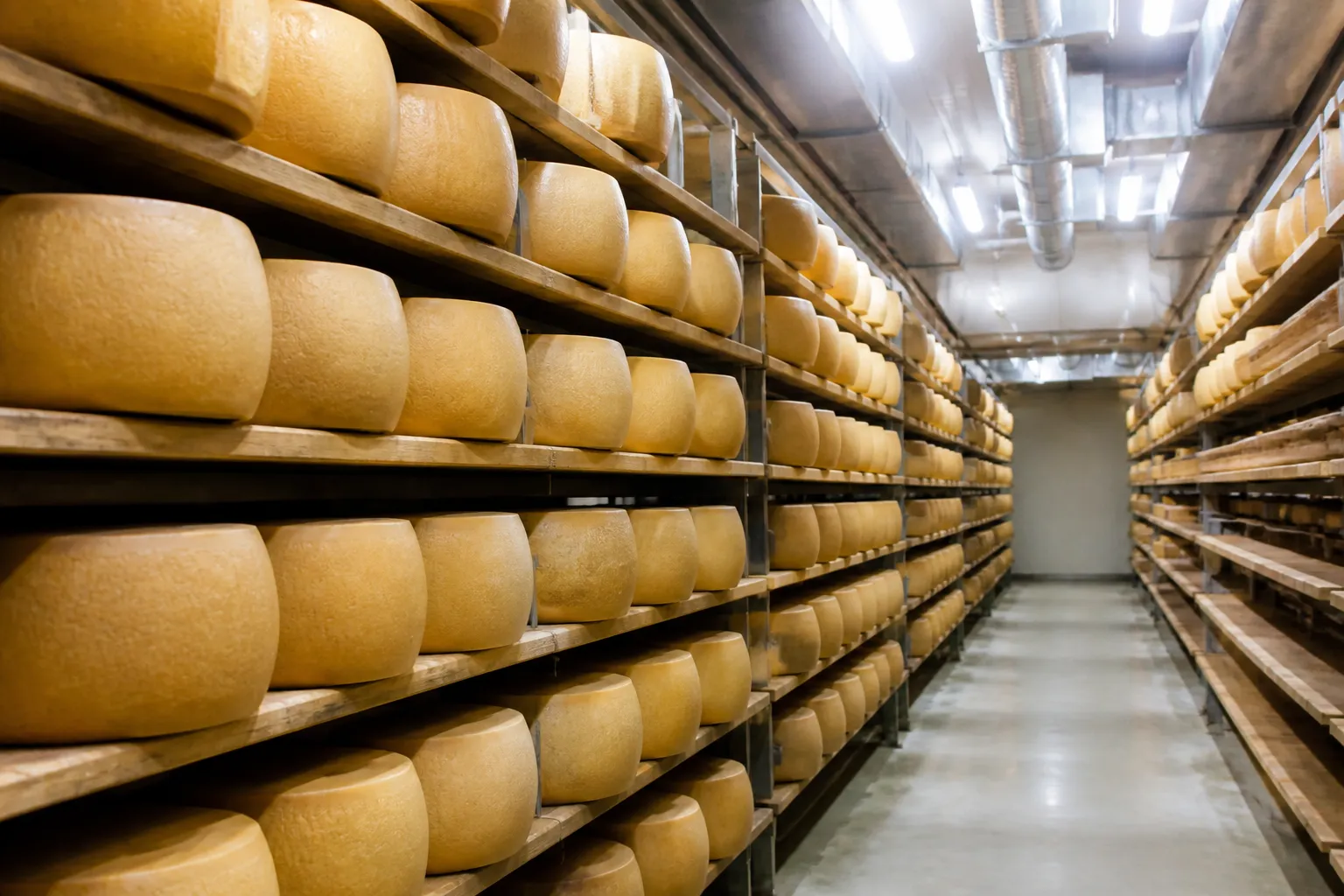
The extreme heat is complicating operations at Italian “cheese banks,” which accept young wheels of Parmigiano Reggiano as collateral for loans to dairy farms. The vault of Credito Emiliano, known as Credem, in Emilia-Romagna holds more than half a million wheels of cheese worth over 300 million euros, according to Fortune.
Credem has been accepting young Parmigiano Reggiano as collateral since 1953. The bank’s subsidiary, Magazzini Generali delle Tagliate, ages the cheese in two warehouses in Reggio Emilia and Modena. Producers typically receive an advance of 60–80% of the wheel’s value.
Parmigiano Reggiano must age for at least 12 months, and often 24 or 36 months. Loans provide small family farms with funds until their products are sold. Blockchain technology also allows farmers to pledge the wheels as collateral without removing them from their farms, which, according to Fortune, has doubled Credem’s lending capacity.
For more breaking news, follow the UA.News Telegram channel.
Italy produces about 4 million wheels of Parmigiano Reggiano per year, and “cheese banks” store approximately 500,000 of them. The industry is valued at 4 billion euros and includes about 300 certified producers. Due to record-breaking heat waves in Europe this year, daily energy consumption has risen by about 30%. The bank had to modernize its cooling systems and boilers, improve insulation, and expand renewable energy production.
High temperatures also affect milk production: cows lie down more and eat less, which, according to data cited by Fortune, reduces milk production by up to 10% per year. Italy’s vineyards and olive groves are facing similar climatic pressures. According to the publication’s estimate, national olive oil production in the 2025/26 season stood at 270,000–300,000 metric tons, compared to a historical average of over 350,000 metric tons.


