
Vessels near Durban port wait in queue for an average of 12 days — Daily Maverick
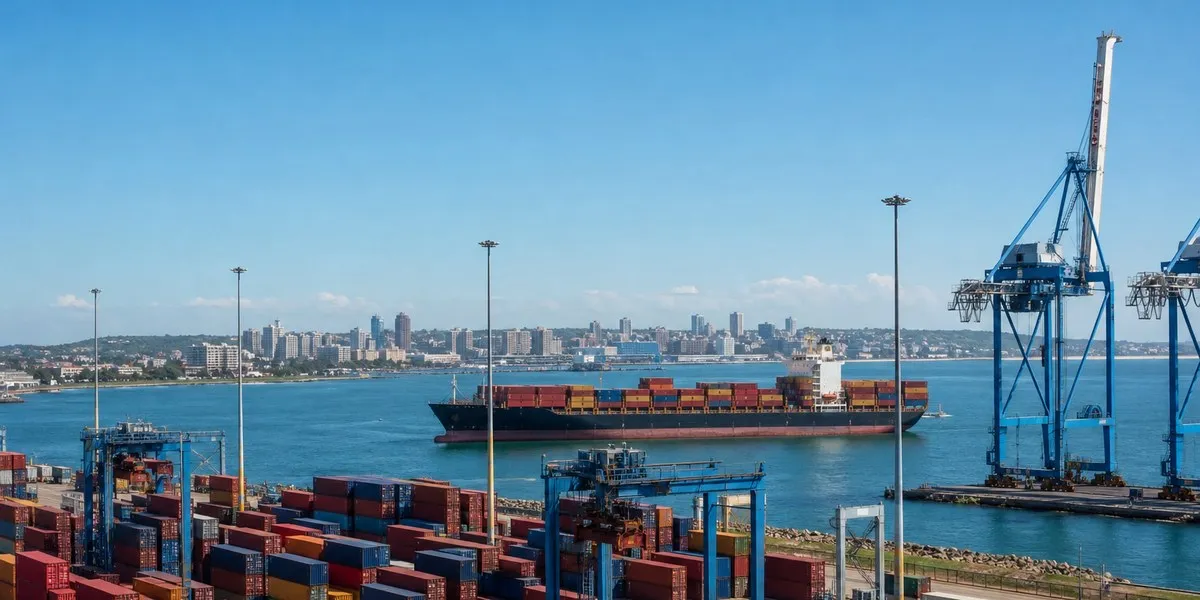
At the Durban Gateway Terminal container terminal in Durban, South Africa, the average waiting time for vessels at anchorage is about 12 days. Delays intensified after the terminal switched to the new Navis N4 IT system in August: from August 14 to September 10, cargo handling volume fell by approximately 30% compared with the average for the previous four months.
As Daily Maverick reports, from October 19 to 25, the terminal's weekly throughput increased by approximately 9%, to 31,149 twenty-foot equivalent units. At the same time, Jacob van Rensburg, head of research and development at the South African Association of Freight Forwarders, said this was only stabilization after the decline and had not yet resulted in a significant reduction in the queue of vessels.
Rates do not cover accumulated demand
Van Rensburg estimated the terminal's current productivity at approximately 3,381 container moves per day. According to his calculations, the existing queue adds about 19.5 days to the logistics chain. The model would see it cleared by approximately November 17 only if no new vessels joined the queue.
To eliminate the backlog within 30 days while also handling new cargo, the terminal needs to maintain a rate of about 5,000 container moves per day. DGT's target is 3,400 moves per day — 1,600 fewer than the rate that, according to the association's assessment, is needed to restore operations.
More current news is available on the UA.News Telegram channel Telegram.
Partners' responsibility
Durban Gateway Terminal, previously known as Pier 2, handles nearly half of South Africa's container cargo. Earlier this year, the Philippine company International Container Terminal Services Inc acquired a 49% stake in the terminal from state-owned Transnet for 10.5 billion rand. Transnet retained a 51% stake.
South African President Cyril Ramaphosa said the government was aware of serious disruptions after the terminal switched to a new operating system and would monitor the situation until operations were fully restored. Transnet said the initial six-month transition period had been extended by another six months, until December, while a recovery plan and a DGT performance assessment system were still being developed.
Representatives of the cargo sector fear that delays will force companies to redirect shipments to other ports or use more expensive air transport. Transnet said it does not exercise direct oversight over DGT because the terminal and Transnet Port Terminals operational division have autonomous powers.




