
Women traders in Kenya criticize AfCFTA implementation — Nation Kenya
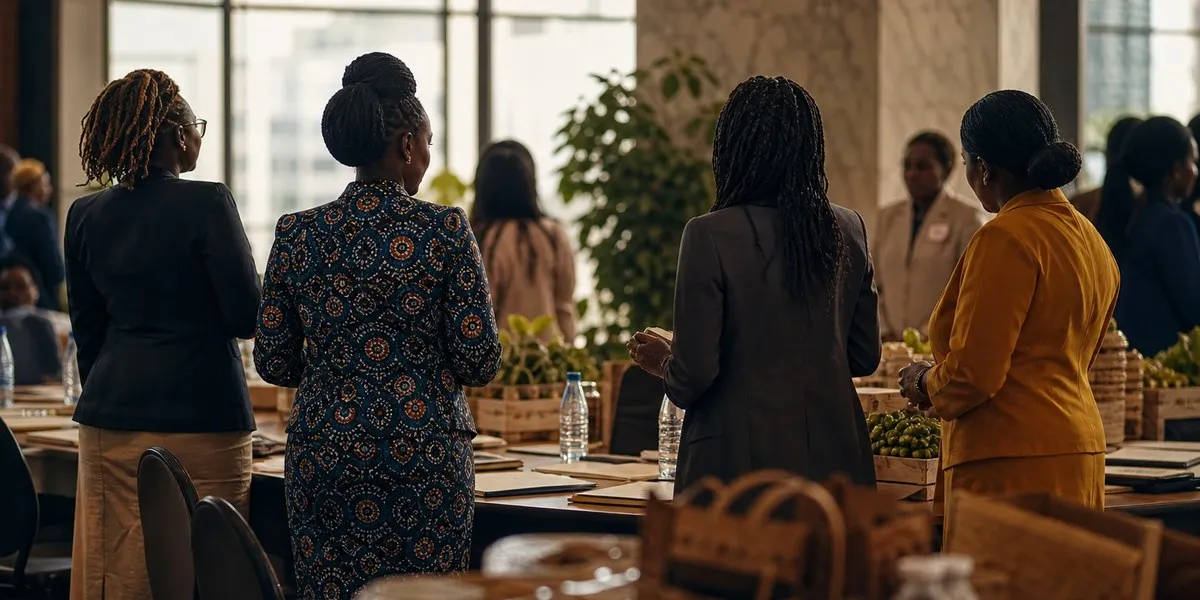
In Nairobi, Kenya, women engaged in cross-border trade criticized the implementation of the African Continental Free Trade Area (AfCFTA). In their view, the implementation of the agreement does not sufficiently take into account the safety and well-being of small traders at border crossings. The participants stated this at the African Women in Trade Forum, held on October 27–29, Nation Kenya reports.
Participants in the event noted that AfCFTA focuses primarily on reducing tariffs and customs duties, while women in the informal sector face other daily obstacles. These include harassment, extortion by border officials, insecurity, inadequate sanitary conditions, a lack of storage facilities, shelter and breastfeeding rooms.
Safety at the border
Jackie Maloba, head of the One Voice Women in Trade network, said that implementation of the agreement should include practical steps for safer border crossings. In particular, she proposed involving more female staff at service counters. According to data cited by forum participants, up to 40% of women crossing borders for commercial purposes experience severe physical or verbal violence, sexual harassment or extortion.
Regina Ombam, a representative of Kenya's State Department for Trade, cited the example of Miriam, who previously transported eggs between Kenya and Uganda via unofficial routes because of difficult paperwork, high costs and lengthy procedures. According to Ombam, improvements to border infrastructure and simplified procedures enabled Miriam to formalize her business and work in safer conditions.
More current news is available on the UA.News Telegram channel Telegram.
Financing and market access
Lucia Namubiru, president of the Ugandan chapter of the Organisation of Women in International Trade, also drew attention to women's limited access to capital and the high cost of loans. She called for AfCFTA to be supplemented with training programs that would help women entrepreneurs acquire skills and establish contacts to enter new markets.
According to the UN Economic Commission for Africa, women account for 70% to 80% of informal cross-border traders on the continent. They mainly sell low-cost and perishable goods, including maize, rice, beans and fresh produce. Informal cross-border trade accounts for an estimated 30–40% of total intra-African trade.
Ombam said that trade between African countries currently accounts for about 16% of the continent's total trade volume, while among European Union states this figure reaches about 70%. She stressed that supporting informal businesses and removing barriers for women could contribute to the growth of regional trade.




