
President Lee Jae-myung calls for faster housing construction — Korea Herald
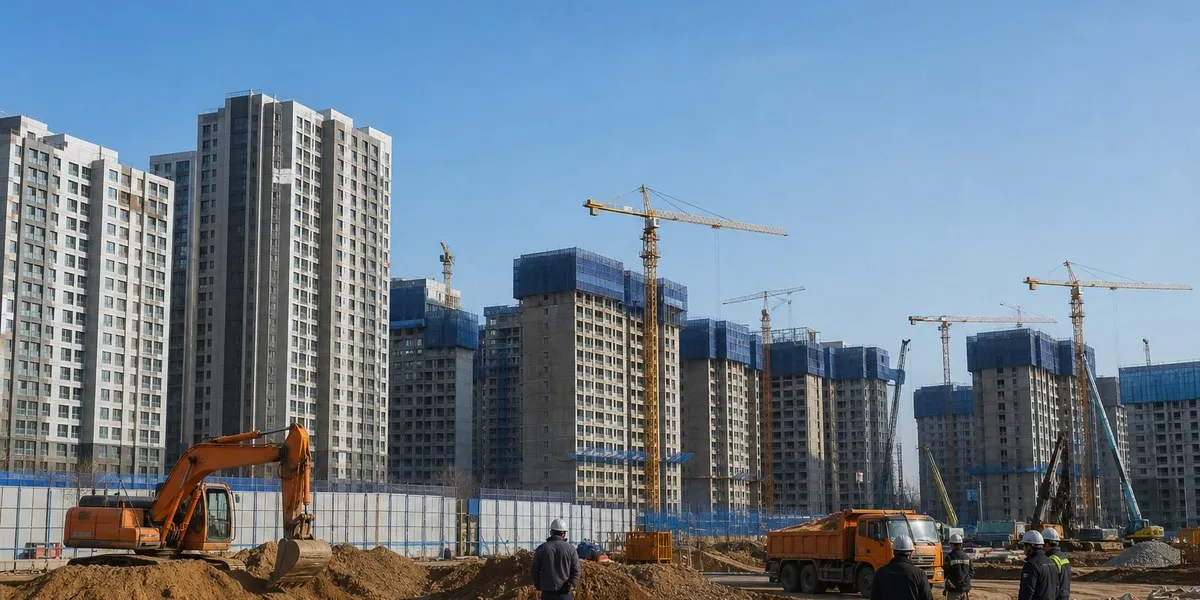
In South Korea, President Lee Jae-myung called for housing supply to be accelerated as much as possible, as the country faces a shortage of new homes after several years of slow construction. He said this during a visit to the Gyeyang public housing district in Incheon, west of Seoul, Korea Herald reports.
Focus on construction speed
Lee Jae-myung visited the first completed housing complex among the third-generation new towns and welcomed residents moving into it. According to him, the rapid provision of housing in such towns will be a decisive factor in the success or failure of government real estate market policy.
The president stressed that it is important not only to announce measures but also to ensure that people actually move into new homes. He noted that the number of construction permits and projects started between 2022 and last year nearly halved. It usually takes about three years from obtaining a permit to completing a housing project.
More current news is available on the UA.News Telegram channel Telegram.
Targets through 2030
Lee instructed the Ministry of Land, Infrastructure and Transport, the Korea Land and Housing Corporation, and other institutions to make efforts to begin construction of about 90% of the planned public housing units in third-generation new towns by 2030.
This target is part of a housing supply expansion package announced on August 13. The plan provides for more than 230,000 additional homes in the Seoul metropolitan region, in addition to the existing plan to build 1.35 million housing units in 2026–2030. Authorities also intend to shorten administrative procedures that have delayed construction.
Lee Jae-myung’s administration is seeking to stabilize the market through a combination of tighter lending restrictions, measures against speculative demand, and increased housing supply. A Gallup Korea survey of 1,003 adults conducted on October 13–15 showed that 39% of respondents approved of the president’s performance, while 52% disapproved; real estate policy was the most frequently cited reason for negative assessments.




