
Singaporean athletes use sports science to improve performance
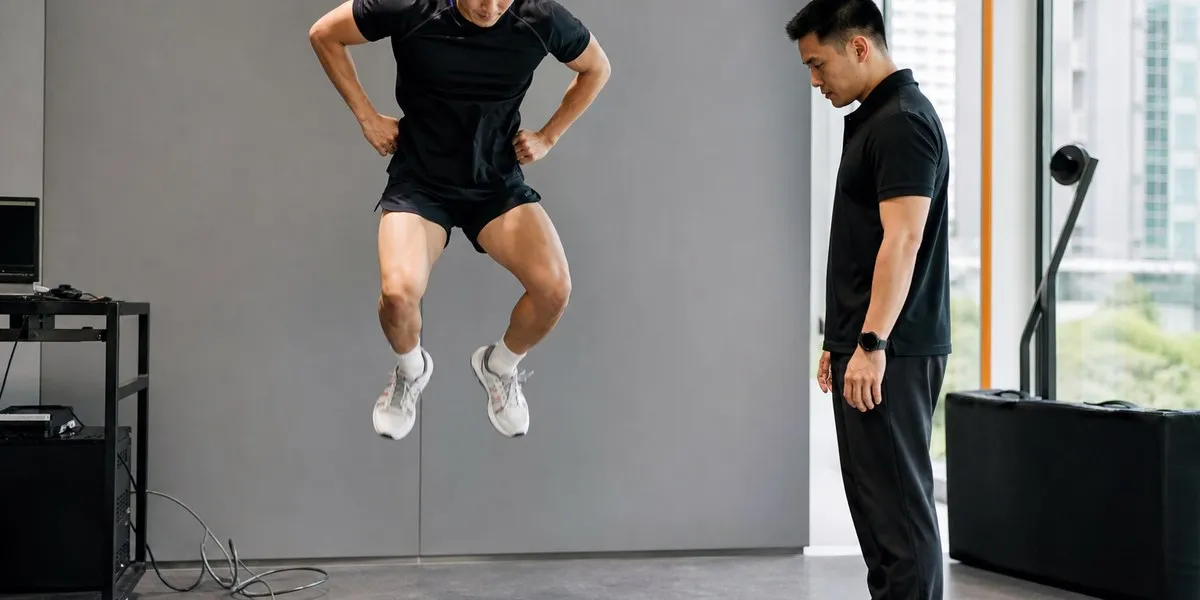
In Singapore, top-level athletes are increasingly using sports science and technology to identify even marginal opportunities to improve performance. The SportSG Institute of High Performance Sport uses physiology, strength and conditioning, psychology, and performance analysis to identify individual areas for athletes to improve. Data complement the observations of athletes and coaches and help them make more informed decisions about training and competitions.
Data for personalised training
Low Chee Yong, head of sports science and sports medicine at the institute, noted that at the highest level, even a 1–2% advantage can affect the contest for a silver or gold medal. At the same time, collecting metrics alone is not enough: the data obtained must be translated into specific changes in the training process, as a one-size-fits-all approach does not suit every athlete.
Physiological tests measure heart rate, oxygen consumption and power output as exercise intensity increases. This enables coaches to determine the optimal training load, monitor an athlete's physical condition and assess the efficiency of energy use, Channel NewsAsia reports.
Monitoring fatigue and tactical analysis
Force platforms help measure jump height, differences in force between the left and right sides of the body, and detect signs of fatigue. Strength and conditioning coach Kenny Tan explained that a drop in jump height during a demanding training cycle may indicate accumulated fatigue and provide grounds for adjusting workloads.
More current news is available on the UA.News Telegram channel Telegram.
Other tools measure reaction speed and agility. Performance analysis allows for a more detailed study of opponents' movements, positioning and tactics, while eye-movement tracking, computer modelling and predictive analytics help identify patterns during competitions.
Athletes can also train in a chamber that recreates temperature, humidity and altitude. For cyclists, this can reduce the strain of thermoregulation and allow them to focus on power production.
Athletes' psychological state
The institute's sports psychologist Shermaine Low noted that behavioural changes or worsening results may be signs that an athlete is struggling to cope with pressure. According to her, public expectations can also be an additional source of stress.


