
Study: prehistoric communities in Japan adapted after eruption — ScienceAlert
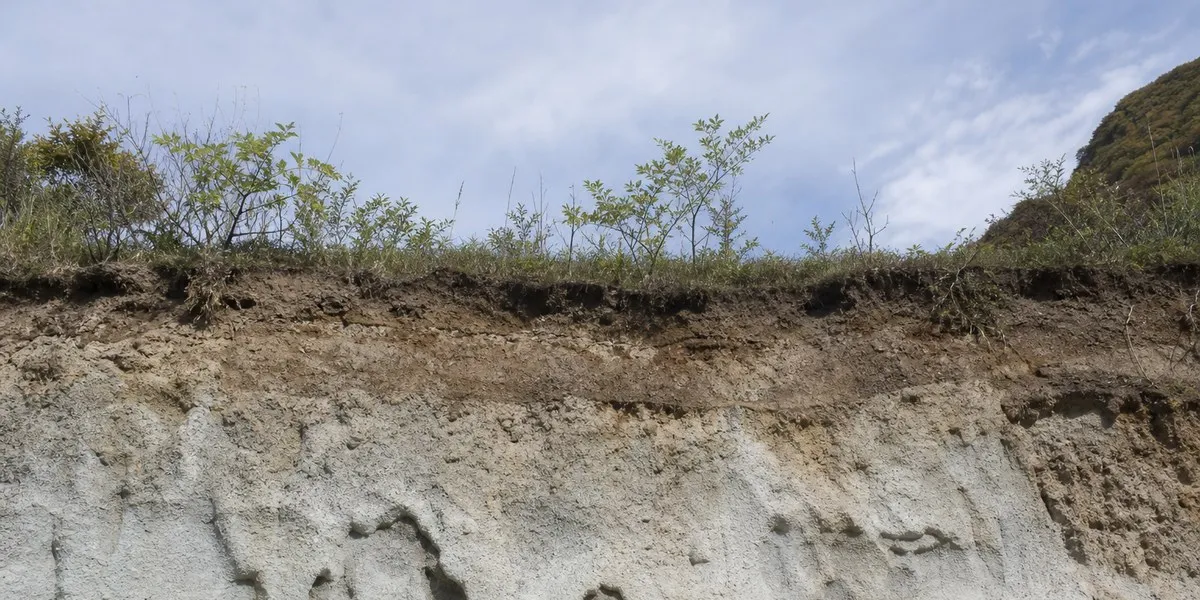
An international team of researchers has found that some prehistoric communities in Japan were able to adapt to the consequences of the Kikai-Akahoya eruption, which occurred around 5250 BCE near the country’s southwestern coast. As ScienceAlert reports, the study’s findings were published in the journal Science Advances.
The eruption occurred around 7,300 years ago and reached level seven out of eight on the Volcanic Explosivity Index. According to the researchers’ assessment, it was accompanied by powerful earthquakes and major tsunamis, while meter-thick layers of volcanic ash covered the landscape. For hunter-gatherer communities of the Jomon period, the event was a catastrophe with significant loss of life.
540 archaeological samples
Scientists analyzed 540 available archaeological samples collected across Japan and dated to the period from 8,000 to 6,500 years ago. They tracked the number of radiocarbon-dated finds, including charcoal and bones, belonging to periods before and after the eruption. This made it possible to assess population activity in different regions.
More current news is available on the UA.News Telegram channel Telegram.
Researchers found that some areas within the disaster’s impact zone remained uninhabitable for a very long time. At the same time, archaeological evidence in other locations indicates that people moved, acquired new skills, and adapted to a different way of life.
Resettlement to the coast
In southern Kyushu, the area closest to the eruption site, the population of traditional hunter-gatherer communities may have been declining even before the disaster. In contrast, in the north of the island, the number and size of settlements grew before the eruption and continued to increase afterward. The authors suggest this may indicate the resettlement of affected groups from the disaster zone.
According to the team’s conclusion, marine life recovered the fastest. The researchers suggest that those who survived in inland areas may have moved to the coast and adapted to a new way of life. In more distant areas, including near Ise Bay, population growth stopped and in some places gave way to decline. Possible explanations include short-term cooling after the eruption, other climatic factors, or the loss of food sources.




