
Japanese scientists create AI to detect plastic on the seafloor
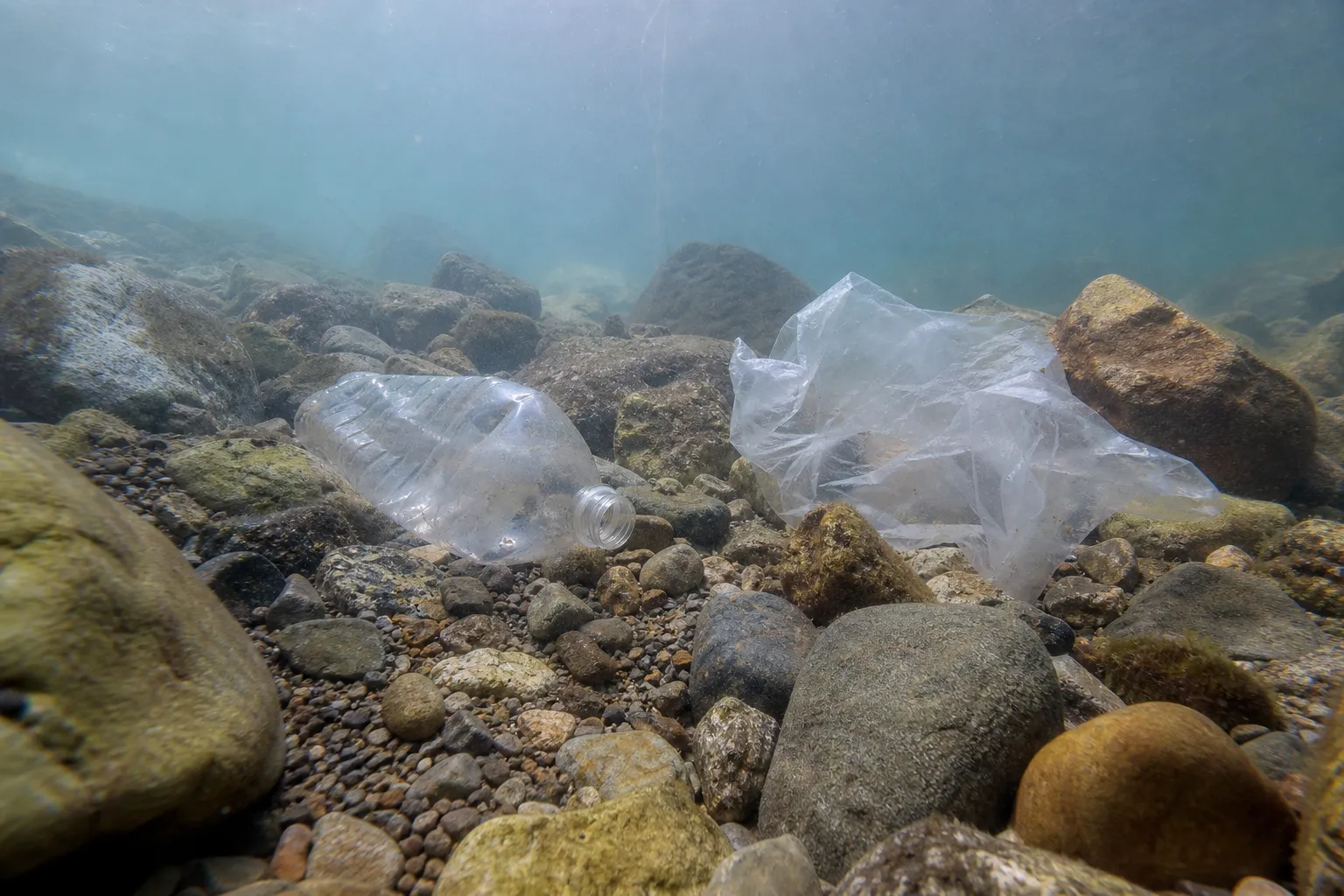
Researchers at the Japan Agency for Marine-Earth Science and Technology have developed the DeepLitterAI artificial intelligence system to detect plastic waste on the seafloor. It can process data almost twice as fast as humans and is expected to help monitor marine waste in real time, Anadolu Agency reports, citing Kyodo and the journal Environmental Pollution.
Database of 12,000 images
To train DeepLitterAI, scientists created a dataset of about 12,000 images based on seafloor video footage recorded by the agency since 1983. The footage included small pieces of litter as well as objects that are not waste, including rocks and marine organisms. They can easily be mistaken for litter.
To reduce the number of false detections, the researchers trained the system on different image variations, including blurred and inverted images. A significant share of plastic waste that enters the sea settles on the bottom, but accurately detecting it has remained difficult.
More current news is available on the UA.News Telegram channel Telegram.
Test results
During tests on real video footage, DeepLitterAI identified the type and quantity of litter even when objects occupied from 5% to 10% of the image width. The system successfully detected 80% of the main waste items, including plastic bottles and plastic bags. The error rate compared with specialists' visual inspections was about 10%.
Ryota Nakajima, a biological oceanographer in the research group, said the technology would make it possible to quickly identify areas with significant waste accumulation and use this data to implement countermeasures.


