
US Space Force forecasts Swift’s atmospheric reentry on Friday — CBC World
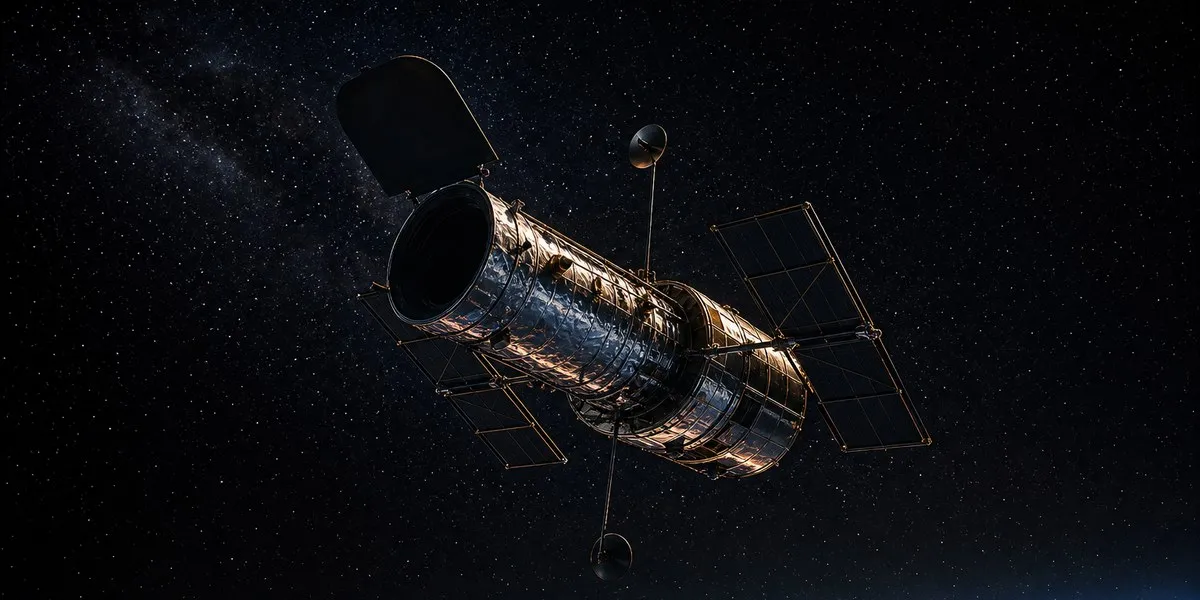
The US Space Force forecasts that NASA’s Swift orbital observatory will reenter Earth’s atmosphere around Friday. The telescope is gradually losing altitude following an unsuccessful attempt to save it.
According to CBC World, most of the 1.5-ton telescope is expected to burn up in the atmosphere. At the same time, some tungsten components, which are denser than lead, and parts of the mirrors may survive reentry. According to the mission’s principal scientist, Brad Cenko, the debris will most likely fall into the ocean, but parts of Africa, Australia, India, Southeast Asia, Central America and South America are among the possible reentry areas.
Failed rescue mission
Over the past several years, intense solar activity has accelerated Swift’s descent. NASA enlisted Katalyst Space for an urgent rescue mission, but its three-armed robot Link encountered problems after its launch in July and was unable to get closer than 12–15 kilometers to the telescope. In September, Link fell to Earth.
More current news is available on the UA.News Telegram channel Telegram.
22 years of observations
Swift was launched on November 20, 2004, to search for gamma-ray bursts and supernovae. After the rescue mission was terminated, the observatory resumed observations, but its systems were switched off at the end of October because the spacecraft had descended too low for stable operation.
Over 22 years in orbit, the telescope recorded more than 2,000 gamma-ray bursts and 1,400 stellar explosions, and also observed comets, asteroids and black holes tearing apart stars. Swift could quickly turn toward new high-energy cosmic phenomena. NASA considered it a kind of first responder for the Hubble, Webb and other observatories, which could respond to its alerts and conduct more in-depth research.




