
Letara Raised $16 Million for Hybrid Missile Systems
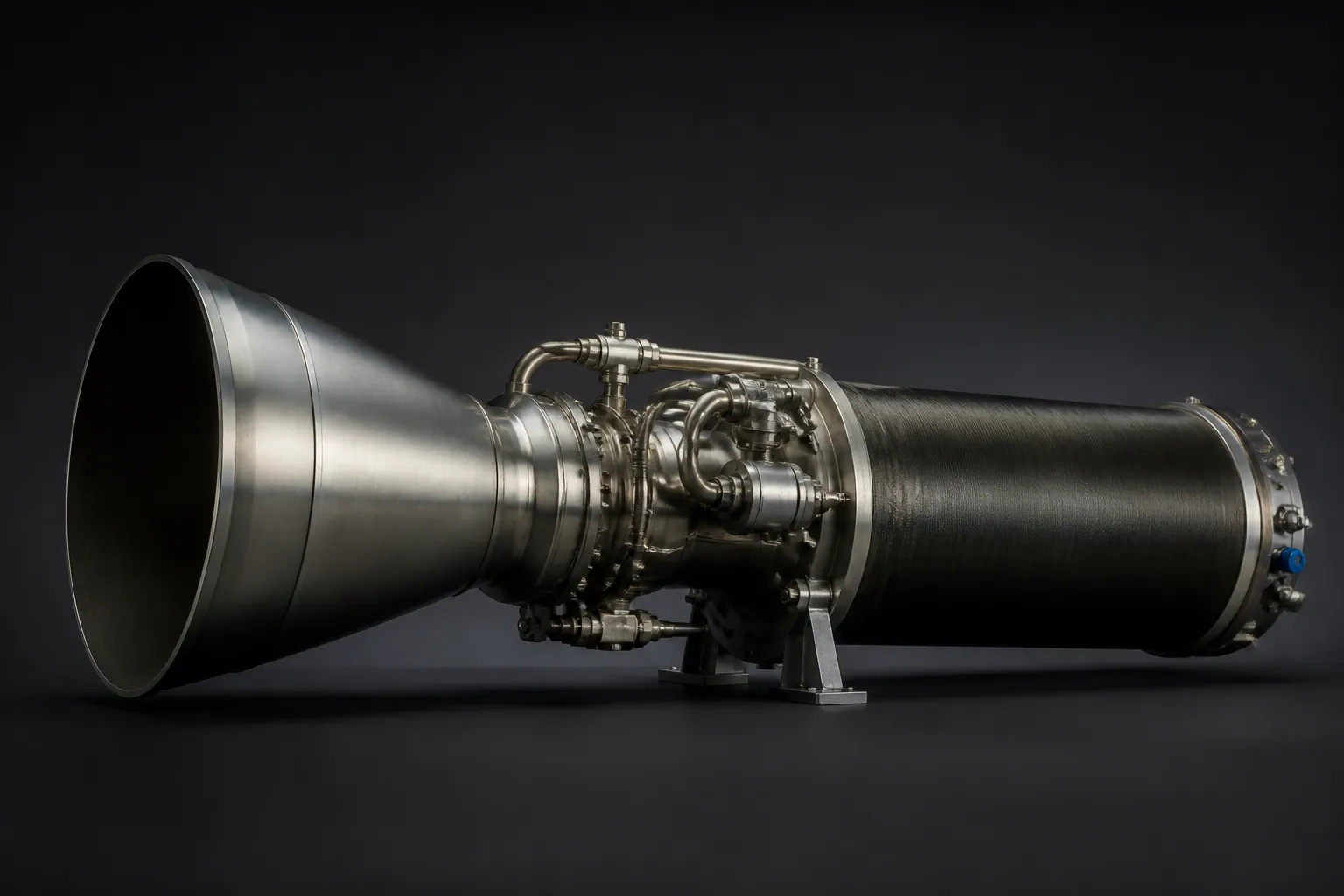
Letara, a Japanese space startup based in Sapporo, has raised 2.6 billion yen, or $16 million, to develop hybrid rocket systems. The company plans to expand beyond the production of propulsion systems for small satellites and develop larger rocket systems for the space, defense, and security sectors, according to TechCrunch.
The funding round was co-led by Headline Asia, JIC Venture Growth Investment, and Incubate Fund. Strategic investors include energy company NES Corporation, automotive rubber and plastic components supplier Toyoda Gosei, and Greek IT company Frontier Innovations, which specializes in data analytics and business analytics.
Letara’s technology is based on a hybrid rocket design in which solid propellant is stored separately from the liquid oxidizer required for combustion. The company uses readily available materials, such as plastic and rubber, as solid propellant. The startup has developed its own process for mixing, shaping, and compressing these materials to ensure reliable ignition and stable combustion.
Read more breaking news on the UA.News Telegram channel.
According to Co-CEO Shota Hirai, Letara aims to solve three key challenges of hybrid engines: ensuring sufficient thrust, maintaining performance characteristics, and controlling combustion. The company claims that its system can deliver greater thrust with lower losses than traditional hybrid rockets, which often use more expensive paraffin.
Letara was spun off from Hokkaido University in 2020. There, Hirai and the other co-CEO, Landon Thomas Kemp, researched rocket engines. Initially, the company focused on satellite propulsion systems, but it is now also exploring opportunities in defense contracts and launch services.
The startup targets satellite manufacturers and operators, launch service providers, and governments. Letara stated that it has already received orders from rocket and satellite companies, as well as from the Japanese government, but did not disclose the value of the contracts. The next important step is expected to be an in-orbit engine test in collaboration with a foreign partner.




