
Germany’s forest soils absorbed 3% more methane annually — ScienceDaily
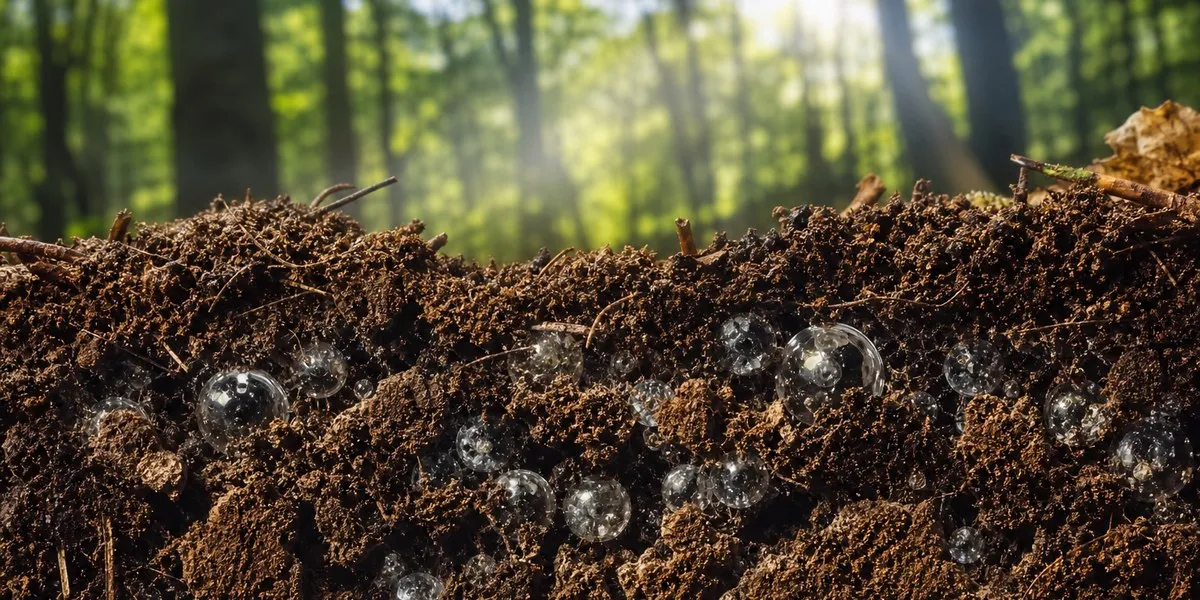
Forest soils in southwestern Germany showed an average annual increase of about 3% in the amount of methane absorbed from the atmosphere over periods of up to 24 years. This result was obtained by scientists from the University of Göttingen and the Baden-Württemberg Forest Research Institute, who analyzed data from 13 forest sites, ScienceDaily reports.
Measurements lasted up to 24 years
The researchers used long-term observations within the monitoring program of the Baden-Württemberg Forest Research Institute. Every two weeks, they collected air samples through thin tubes installed underground to determine gas composition at different soil depths and track changes in methane concentration.
The results were also verified using another method: sealed chambers on the soil surface. Changes in gas concentrations inside the chambers made it possible to determine whether the soil absorbs methane and in what amount.
More current news is available on the UA.News Telegram channel Telegram.
The impact of temperature and precipitation
Methane absorption varied across different sites, but the overall trend indicated higher efficiency of forest soils during periods with less precipitation and higher temperatures. When soil is saturated with moisture, water fills the pores between its particles and impedes gas movement. In drier soil, more pores are filled with air, allowing atmospheric methane to penetrate deeper.
In the soil, methane is broken down by microorganisms that use it as an energy source. According to the researchers, rising temperatures may somewhat accelerate this microbial activity. The combination of warmer conditions and lower precipitation was linked to increased methane absorption at the studied sites.
Regional differences
The study, published in the journal Agricultural and Forest Meteorology, presents a different picture compared with a number of meta-analyses that indicated an overall decline in the ability of forest soils to absorb methane. The authors note that the effects of climate change on this process may differ significantly depending on local temperatures, precipitation patterns, and soil properties.




