
A 1.27-billion-year-old meteorite from Mars fills a gap in the planet's geological history
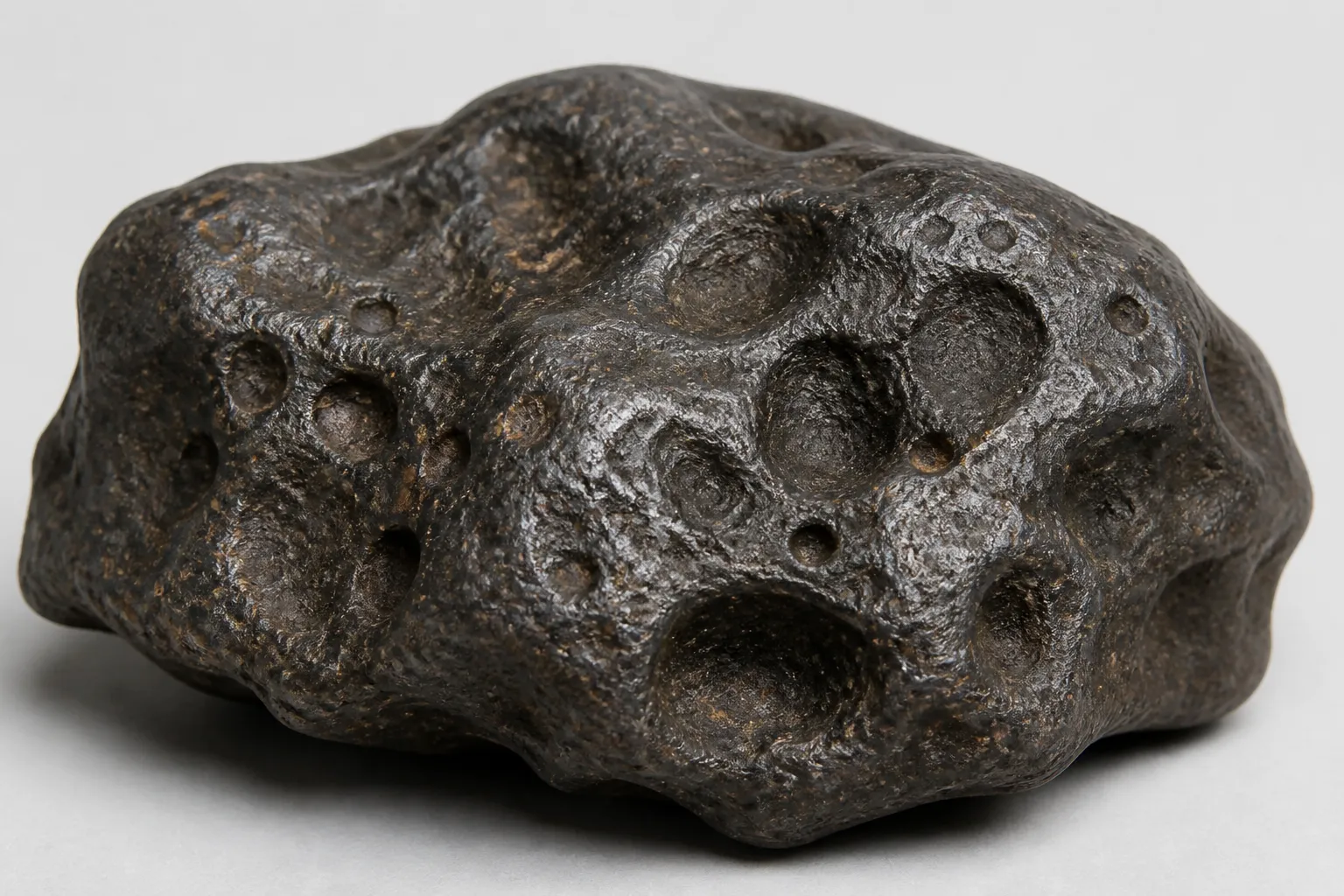
The 1.27-billion-year-old Martian meteorite Northwest Africa (NWA) 13441, discovered in Algeria in 2019, is helping researchers study a little-known period in the Red Planet’s geological history. Its age was confirmed only recently, according to Space.com.
The sample may shed light on the time span between 600 million and 2.4 billion years ago, for which there is a significant gap in the Martian geological record. Previously, no magmatic chergotites—the most common type of Martian meteorite—were known to exist from this period. These fragments of Mars were ejected into space as a result of impacts and later fell to Earth.
NWA 13441 belongs to the chergottite group but exhibits characteristics in its neodymium isotopic composition that are associated with chondrites. Chondrites are another type of meteorite, consisting of unmelted rock, and were common in the early Solar System. Study co-author Ethan Baxter, a professor of Earth and environmental sciences at Boston College, stated that the meteorite’s characteristics came as a surprise to scientists.
Read more breaking news on the UA.News Telegram channel.
According to the researchers, the combination of shergottite and chondrite properties may indicate that the deeper parts of Mars have remained relatively unchanged since the planet’s formation. This is consistent with the absence of plate tectonics on Mars, which on Earth alters the oldest geological structures.
The authors of the study, published on August 1 in the journal *Geochimica et Cosmochimica Acta*, also suggest that the meteorite may have originated from a previously unexplored reservoir deep within Mars, located between sources of enriched and depleted chondrites. Further isotopic analysis of NWA 13441 may help establish its connection to other meteorites from early Martian history and provide new insights into the planet’s magmatic and volcanic activity.




