
Tesla to roll out Cybercab in Dallas next month — TechCrunch
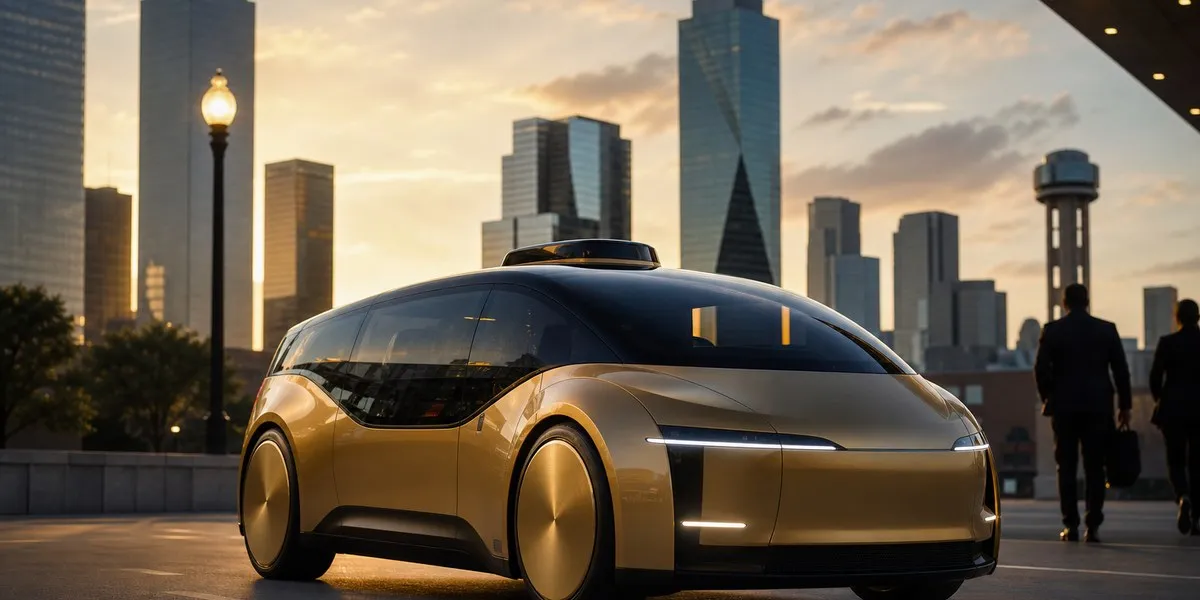
Tesla said it intends to begin expanding its Cybercab autonomous taxi service in Dallas, United States, next month, and to launch it in other US cities by the end of the year. The company also plans to begin selling Cybercabs to fleet operators by the end of the year, TechCrunch reports.
Tesla currently operates small Model Y-based robotaxi fleets in Dallas, Houston, and Florida cities — Miami, Orlando, and Tampa. The company positions Cybercab as a cheaper and easier-to-manufacture vehicle, which could potentially allow it to compete on price with other robotaxi operators.
Competition with Waymo
The expansion of Cybercab could intensify competition with Waymo, the leader of the US robotaxi market, which has more than 4,000 such vehicles in over a dozen cities. Tesla Chief Financial Officer Vaibhav Taneja said the manufacturing team considers Cybercab one of the company’s easiest products to scale up production.
More current news is available on the UA.News Telegram channel Telegram.
At the same time, Tesla did not disclose robotaxi revenue data or provide specifics on paid robotaxi mileage. In a new shareholder letter, the company replaced the metric for total paid robotaxi mileage with total autonomous robotaxi mileage, regardless of whether paying passengers were onboard.
Regulatory and technical limitations
Taneja described obtaining the necessary regulatory approvals for the rapid deployment of Cybercab as an important task. In September, several hours after the official launch of Cybercab in Austin, the US National Highway Traffic Safety Administration (NHTSA) opened an investigation into whether the vehicle complies with federal safety standards.
According to TechCrunch, Cybercab lacks certain elements required by current standards, including a brake pedal and side mirrors. Tesla has stated that the vehicle complies with these standards. Tesla Vice President of Autonomous Systems Ashok Elluswamy also said that constraints on a broader launch are related not only to regulation but also to the capabilities of artificial intelligence software. The company is gradually extending robotaxi operating hours and plans to handle more complex driving scenarios by the end of the year before further scaling up.




