
September 4 is the feast day of Babila and Moses
On September 4, Orthodox Christians commemorate the Holy Martyr Vavila, Bishop of Antioch, and the Prophet Moses the God-seer. On this day, believers reflect on their lives and the strength of their faith, and turn to God in prayer for protection, health, and help in difficult situations.
The Holy Martyr Babylas was the Bishop of Antioch in the 3rd century. He led the local Christian community around the year 237 and remained its spiritual guide during a difficult period of persecution of Christians. According to church tradition, Bavila was known for his steadfastness in the faith. He was not afraid to speak out openly against injustice, even when it could endanger his life.
One of the most famous stories involves a pagan ruler. According to the account, the ruler came to the church after committing a crime, but Bavila refused to let him enter. The bishop demanded that he first repent for what he had done.
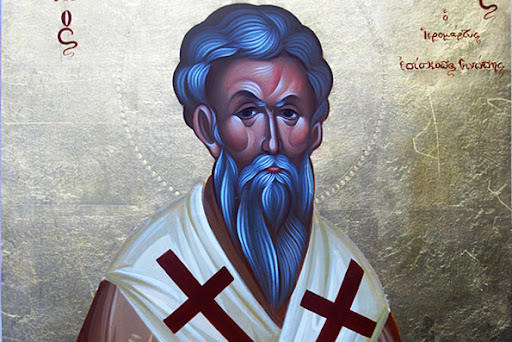
During the persecution of Christians under Emperor Decius, Bavila was arrested. The saint did not renounce his faith and was sentenced to death. It is believed that he accepted his martyr’s death around the year 250. Before his death, Bavila asked that the chains he had worn for Christ be buried with him. In church tradition, the holy martyr Bavila is remembered as an example of courage, fidelity to his convictions, and a willingness to remain with God even during times of persecution.
Moses the God-Seer
September 4 also commemorates the prophet Moses—one of the most important figures of the Old Testament. According to the biblical account, Moses led the Israelites out of Egyptian slavery. It was to him that God gave the Ten Commandments, which became the foundation of the religious life of the Old Testament people.
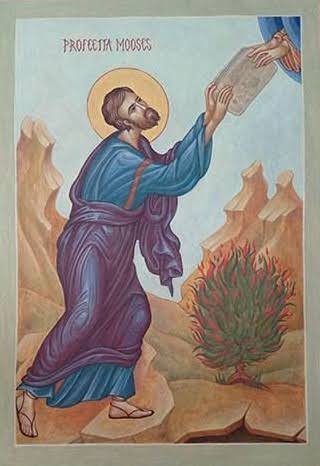
Moses is called the “Seer of God” because of the special revelation he received from God. One of the most famous biblical stories is the prophet’s encounter with God at the Burning Bush. Moses saw a bush that was on fire but was not consumed. It was there that he received the calling to lead his people out of Egypt.
The image of the Burning Bush holds great significance in Christian tradition. At the same time, the name “Burning Bush” primarily refers to the well-known Christian image of the Mother of God and the specific church devotion associated with it. Therefore, this image should not be directly equated with the day commemorating the prophet Moses.
What traditions are associated with September 4?
On this day, believers typically turn to God in prayer, attend church, and reflect on the exemplary lives of the saints. Particular attention is paid to the story of Vavila, who did not renounce his beliefs even in the face of death. In folk tradition, the day was also associated with the protection of the home and household. People tried to keep their yards tidy, checked their supplies before fall, and paid attention to the hearth fire.
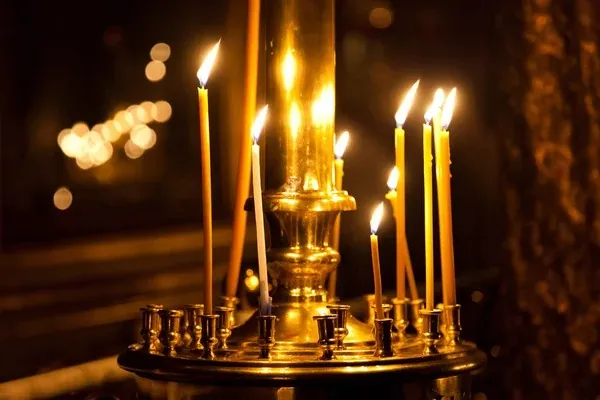
According to ancient customs, homeowners would walk around their homes with a church candle and pray for protection from fire. It is important to note that such rituals are specifically folk customs, not mandatory church rules. In early fall, people also prepared food supplies for the winter. They checked their cellars, dried vegetables, and tidied up their utility rooms.
Folk Omens
A number of weather omens were also associated with September 4. People used them to try to predict what the fall and the coming winter would be like. For example, if there were a lot of husks on the onions, it was believed that the winter would be cold. A large nut harvest combined with a small number of mushrooms was also seen as a sign of a snowy winter.
If ants built large mounds, people expected a cold fall and an early onset of winter. A large number of berries on rowan trees was traditionally considered a sign of a rainy fall. Another sign was the early falling of leaves. If trees shed their leaves early and spiderwebs hung low, people expected a harsh winter. Modern science does not confirm such signs as a reliable way to predict the weather. They are part of folk culture and our ancestors’ observations of nature.
What People Were Advised Not to Do on September 4
Certain prohibitions were also associated with folk beliefs. In particular, people tried not to argue near a fire and not to leave it unattended. It was not advisable to throw trash into the fire or handle it carelessly. It was believed that carelessness could bring misfortune upon the home.
Also, according to folk beliefs, one should not lend money, bread, or salt on this day. People believed that along with these items, one might give away the household’s prosperity. Another folk rule advised spending the day peacefully with family. At the same time, these prohibitions are not church regulations. The church does not establish specific rules such as “you must not lend money” specifically for September 4.
What’s Important to Remember
September 4 is a day of remembrance for two figures who lived in different times and followed different life paths—the holy martyr Bavila and the prophet Moses the God-seer. What unites them, above all, is the theme of strong faith. Vavila remained faithful to Christ during times of persecution, while Moses fulfilled the task God had entrusted to him and led his people out of slavery.
For believers, this day can be an opportunity not only to remember the saints but also to reflect on their own actions, support loved ones, and find time for prayer. Folk omens and customs associated with September 4 are part of our cultural heritage. They can be viewed as interesting traditions of the past, but they should not be confused with church rules or mandatory requirements for believers.


