
LAWYER+: How the UNAA Project Is Breaking Down the Barrier Between Military and Legal Protection
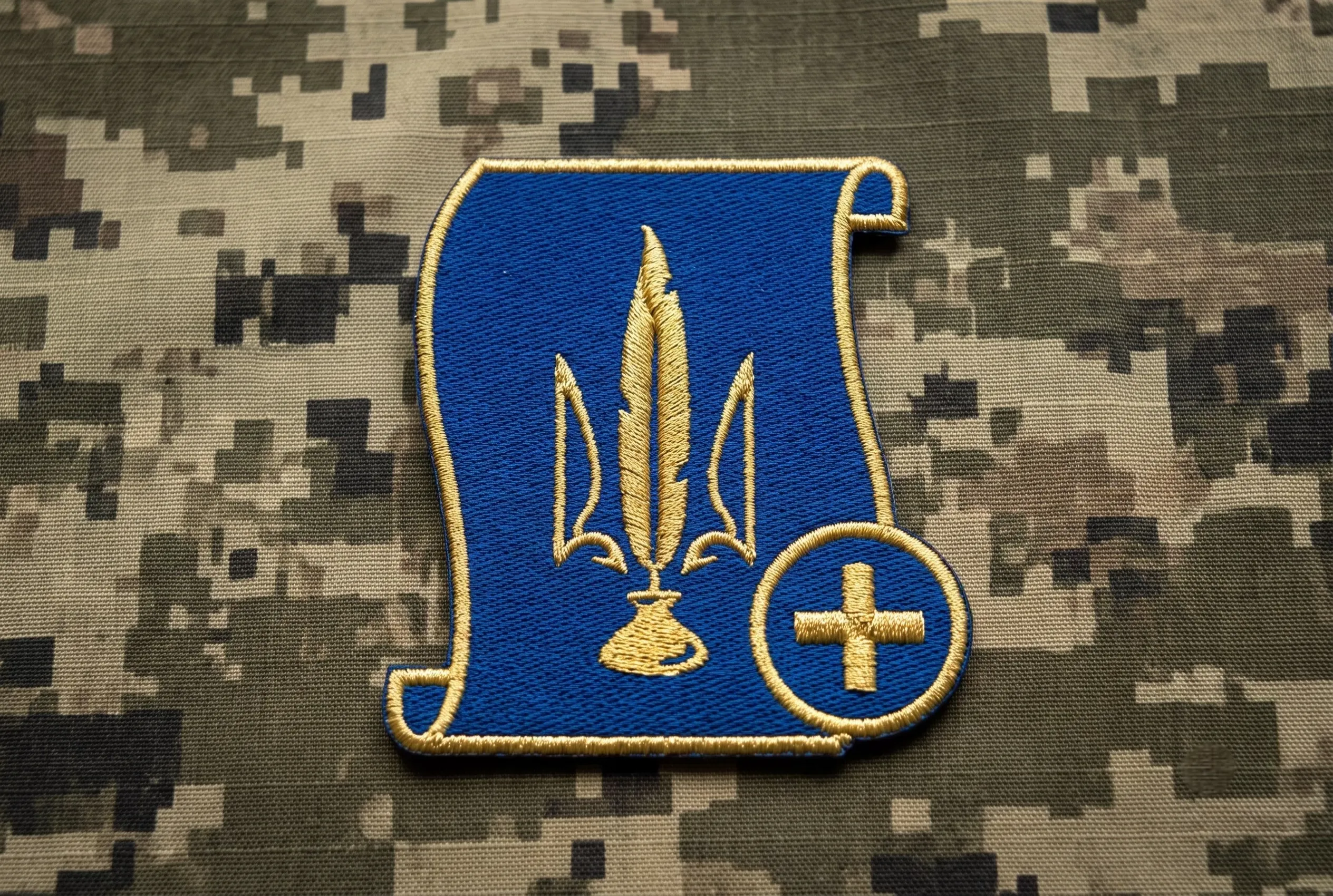
In recent months, the National Bar Association of Ukraine has launched an unprecedented initiative—the “Lawyer+” project. Lawyers have left their comfortable offices and gone directly to the locations of combat brigades to resolve the problems of military personnel on the ground. It turned out that a soldier’s main enemy behind the lines is not the absence of laws, but bureaucratic chaos and a legal vacuum.
How did the lawyers manage to overcome the military command’s distrust? Why do civilian problems demoralize soldiers on the front lines? And how do numerous individual complaints lead to systemic changes in government procedures? We discussed this with members of the UNAA Committee on the Protection of Victims of Armed Aggression Against Ukraine, Compensation Mechanisms, and Legal Support for Recovery in the Context of European Integration — Igor Andreyev, Polina Marchenko, and the Committee’s Deputy Chair, Zhanna Grushko.
Mr. Andreyev, the project began with lawyers making direct visits to pilot units—the 157th Mechanized Brigade, the 79th Airborne Brigade, and the 3rd “Spartan” Special Operations Brigade. When you were there, what was the biggest legal shock?
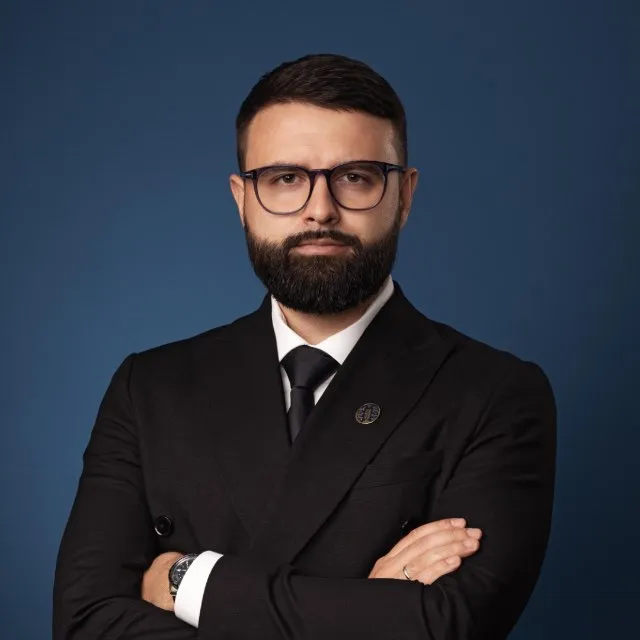
Igor Andreyev: When I joined the project and began working directly within the units, it became clear that the biggest problem wasn’t even the legislation itself. The problem is that there is often no one between the law and the service member who could explain how to apply that law.
While working there, I noticed a pattern: most legal problems could have been resolved much earlier if the soldier had received qualified advice in a timely manner. People most often sought help regarding medical examinations, receiving benefits, and processing paperwork after being wounded. But we also noticed something else: identical legal situations were resolved in completely different ways depending on the military unit. That is precisely why we began not just to provide advice, but to systematize these issues so that they could serve as the basis for regulatory changes. This is the core value of “Advocate+.”
Ms. Polina, if there are enough laws, why has the state, as of 2026, still failed to establish a unified and clear legal framework for military personnel and veterans? Why do such “blind spots” arise?

Polina Marchenko: The problem isn’t the number of regulations—there are more than enough of them. Dozens of Cabinet of Ministers resolutions, orders from the Ministry of Veterans Affairs, the Law “On the Status of War Veterans”… The problem is that each agency has built its own part of the system in isolation. There is no single point of entry.
An active-duty service member receives assistance through their unit’s legal services. A veteran receives it through the Ministry of Veterans Affairs. A person with a disability receives it through social protection agencies. And the family of a soldier missing in action doesn’t fit into any of the traditional categories at all. The system breaks down at the boundaries between statuses. A soldier wounded in combat goes through three statuses: active-duty service member, person undergoing treatment, and then veteran or person with a disability. And at each transition, legal support is interrupted because one agency has already lost its authority, while another has not yet taken over. The person falls into a legal vacuum.
And while the soldier remains in this vacuum regarding their status, problems from civilian life “catch up” with them at the same time. Ms. Zhanna, how does the home front affect the front lines?
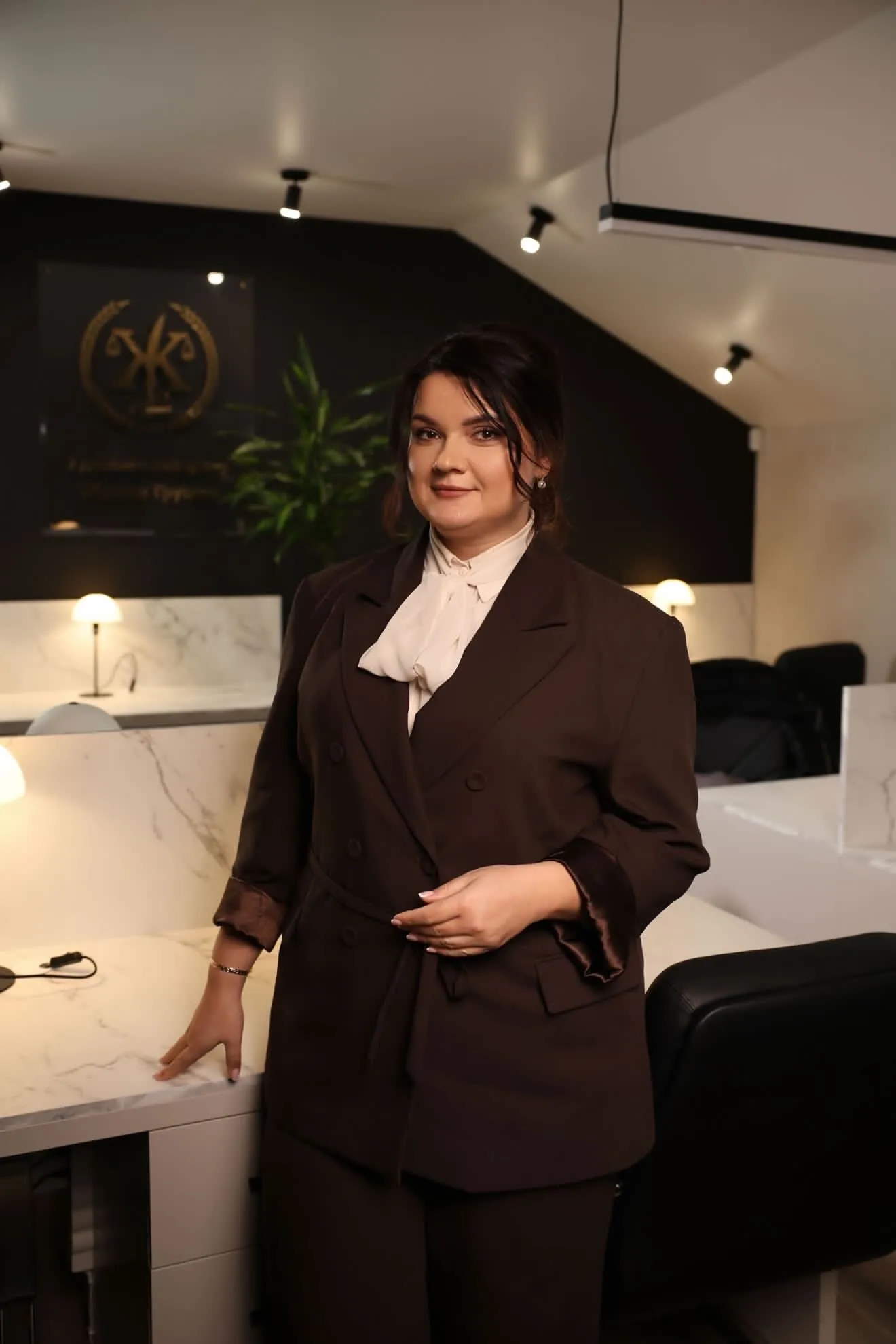
Zhanna Hrusko: It has a direct and very severe impact. Unresolved civilian problems significantly distract a service member and demoralize them right on the battlefield due to constant anxiety. This could be the inability to withdraw funds from a frozen account, conflicts regarding contact with a child, or problems with banks over loans. Service members simply do not have the time or opportunity to file a basic request to stop interest accrual.
Moreover, volunteer consultations are often provided by lawyers without practical experience in applying the law. They know the legal provisions but don’t know how they work in practice: exactly where to go or what specific documents are actually required. Electronic algorithms and checklists are great, but they don’t account for individual circumstances when what’s needed is the ability to see a case through to a successful outcome.
Returning to the military units. Mr. Ihor, military commanders usually aren’t very fond of civilian lawyers. How did you manage to overcome this barrier?
Igor Andreyev: I wouldn’t say there was total distrust. Rather, the commanders didn’t understand our role. We explained right away: a lawyer doesn’t audit the command and doesn’t interfere with management. We aren’t inspectors. We came to resolve legal issues that place an additional daily burden on commanders. When, after several of our visits, the brigade commanders saw that dozens of requests regarding medical boards or family matters no longer required their personal involvement, their attitude changed instantly. Having a lawyer in the unit allows the command to focus on fighting, while ensuring soldiers receive protection.
For this system to work beyond just the three pilot brigades, we need the right framework. Ms. Polina, how does the “Lawyer+” mechanism work, and does it duplicate the state system of free legal aid (FLA)?
Polina Marchenko: This is a key point. “Advocate+” is not secondary legal aid, nor is it a replacement for SLA. We have deliberately limited our mandate and do not engage in mass legal representation. Our niche was completely untapped—providing initial legal guidance at the point of first contact, regardless of a person’s status.
We’ve established three levels. First, assigning attorneys to teams: a consultation becomes not a one-time event, but the handling of a case within the context of the unit’s needs. Second, on-site documentation: the attorney reviews actual documents and assesses the urgency. And finally, the third level is systematization. Here, we transform complaints and requests into standard operating procedures—for example, cases involving loans or medical examinations—and process them through our CRM system, specifically the Advokat+ online platform. In other words, we act as a single point of entry: we assess the problem and route the person to where they can actually receive help, thereby closing those very gaps between statuses.
But there are situations that cannot be fitted into a standard algorithm or entered into the CRM system. Ms. Zhanna, how do you handle the most difficult inquiries—those from the families of the deceased and prisoners of war?
Zhanna Grushko: In such cases, digital algorithms take a back seat. For families of those missing in action or prisoners of war, it’s not just about receiving instructions—it’s crucial for them to be heard. This is where the lawyer’s direct involvement comes into play, and the main challenge is the psychological aspect. You have to understand how to speak in a way that offers support rather than causing additional pain. Our absolute rule is not to promise specific results or quick timelines, because these people need to be prepared for a long process. They need to feel that there is someone by their side for whom this outcome also has personal significance.
You also help civilians. What challenges do people who have lost their property due to the war face?
Zhanna Grushko: This is a huge gap. The mechanisms for compensation for damaged or destroyed housing—and even more so for emotional distress—are the least well-regulated in our legislation. To determine moral damages, expert assessments and court proceedings are required, followed by the enforcement of that decision against the aggressor state. Our work here involves systematizing typical cases to develop best practices and prepare documents for systemic legislative changes.
Speaking of systemic changes, Mr. Andriyev, the NAAU has already submitted a series of proposals to the Cabinet of Ministers. What are these changes?
Igor Andreyev: Yes, there are currently 11 such proposals. They weren’t conceived in office rooms. They are the result of active dialogue within our units. The most fundamental issues concern medical examination commissions, the timely documentation of injuries, and the receipt of benefits. We are not proposing to create new bureaucratic steps. Our position is that the procedure should work for the service member, not the other way around.
By the way, while working in the field, we saw that the regulatory frameworks of the Armed Forces of Ukraine and the National Guard differ significantly—from military service to social guarantees. That’s why the Committee developed a separate, specialized guide specifically for National Guard soldiers.
To summarize our conversation: What is the main “rule of the game” that the “Advocate+” project should change for good?
Polina Marchenko: The legal profession must become the intellectual core of the system. By processing thousands of initial requests, we see what no single government specialist can see: where the law systematically breaks down. Our mission is to elevate a recurring problem faced by an individual soldier to the level of global legal reform.
Zhanna Grushko: Social and financial security will only become a reality when compensation can be obtained practically and quickly. The main rule we’re changing is the transition from declarative law to law that actually works.
Igor Andreyev: The military system is ready to change if it is given an effective solution. Our goal is to create a mechanism whereby a soldier receives assistance not when the problem has escalated into a major legal dispute, but when it can still be resolved quickly and without consequences.
Andriy Bulgarov, spokesperson for the National Association of Military Lawyers


