
Archaeologists have discovered new artifacts from the 10th–15th centuries in the Poltava region
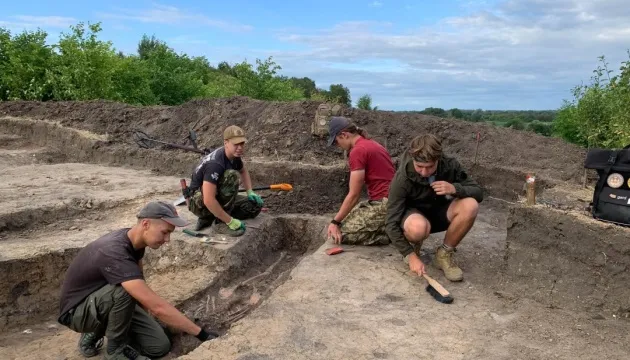
During an excavation of the Hlynsk settlement in the Poltava region, archaeologists uncovered new artifacts dating from the 10th to the 15th centuries.
The researchers worked in the Levadnyukova Hora area. This site had already been studied in previous years. This year, they excavated approximately 80 square meters of the site. The researchers uncovered utility pits and other archaeological features.
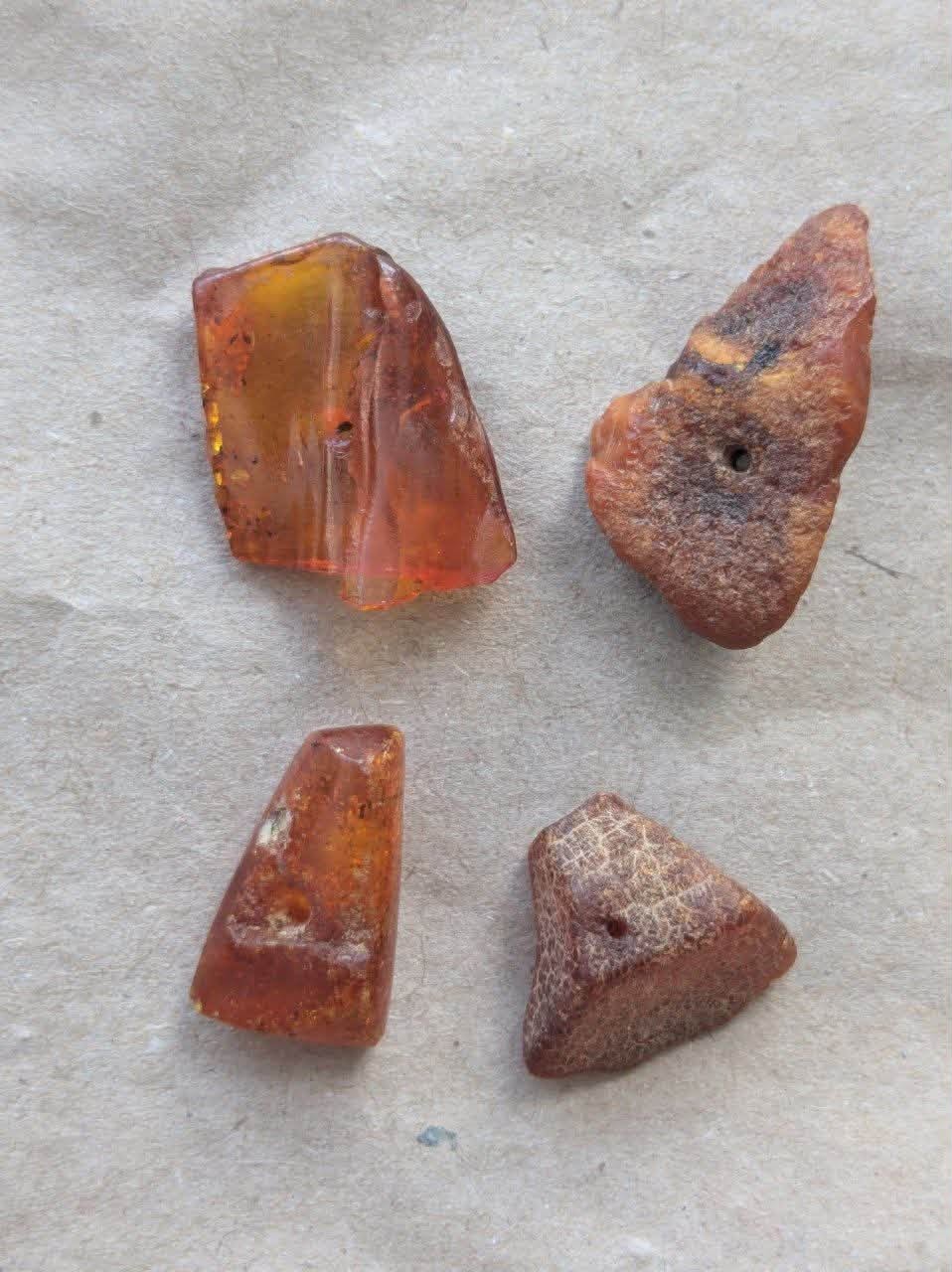
The researchers collected several thousand ceramic fragments and individual artifacts. Among them were metal and bone objects, jewelry, clothing items, coins, weapons, and objects of personal piety.
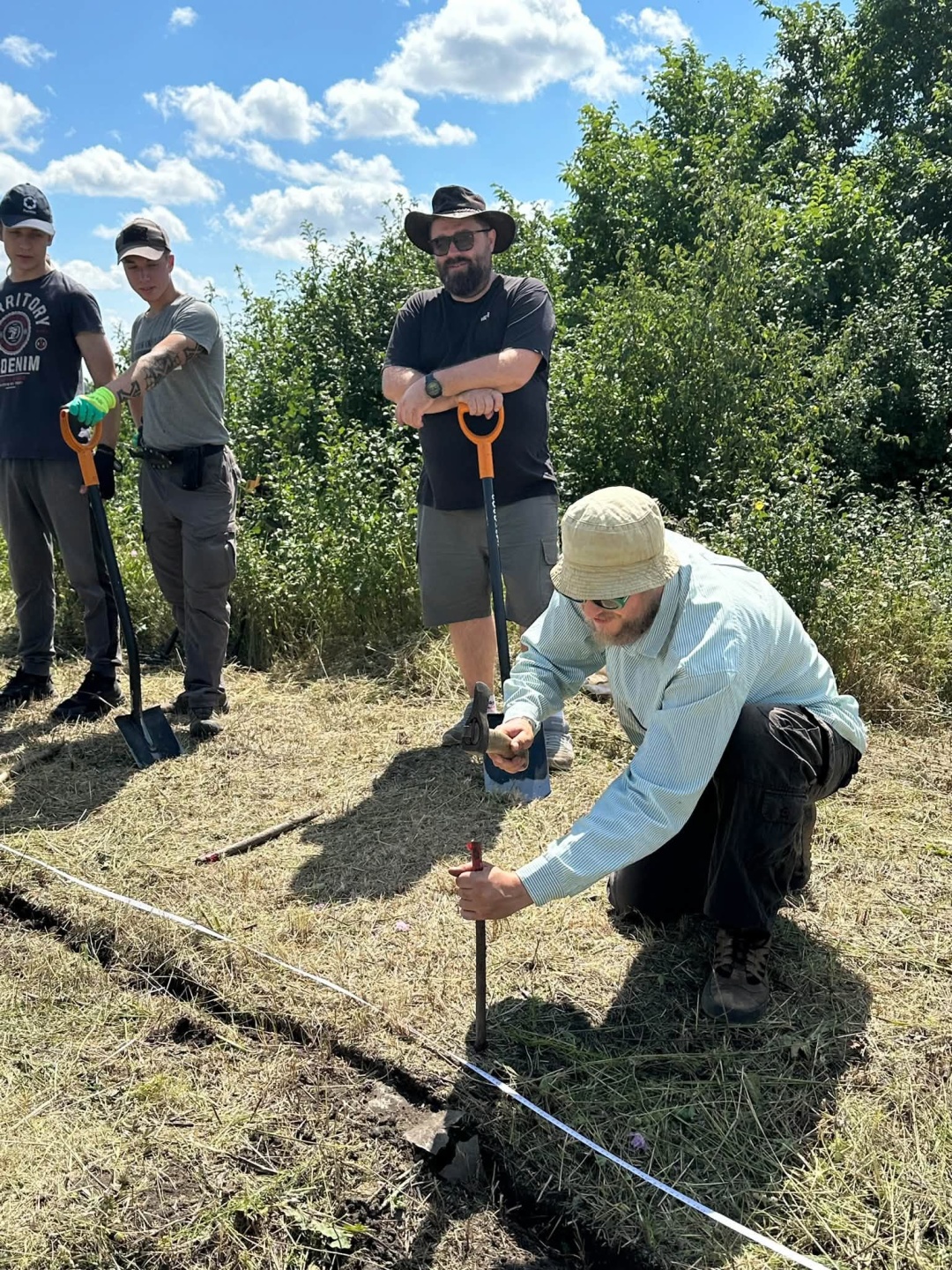
“We weren’t interested in any specific find, but rather in the very structure of this part of the site: when it began to be used, how the layout changed, what economic structures existed here, and, most importantly, what happened to the settlement after the Old Russian period. It was precisely this last point that proved particularly interesting,” noted Pugolovok.
According to him, the earliest materials from this site date to approximately the middle of the 10th century. The latest date to the 15th century. Thus, archaeologists have traced the use of a single space over nearly five centuries. At the same time, Pugolovok emphasizes, this does not indicate continuous habitation at the site throughout this entire period. The archaeological materials reveal varying intensities of land use, changes in development, reconstructions, and possible interruptions.
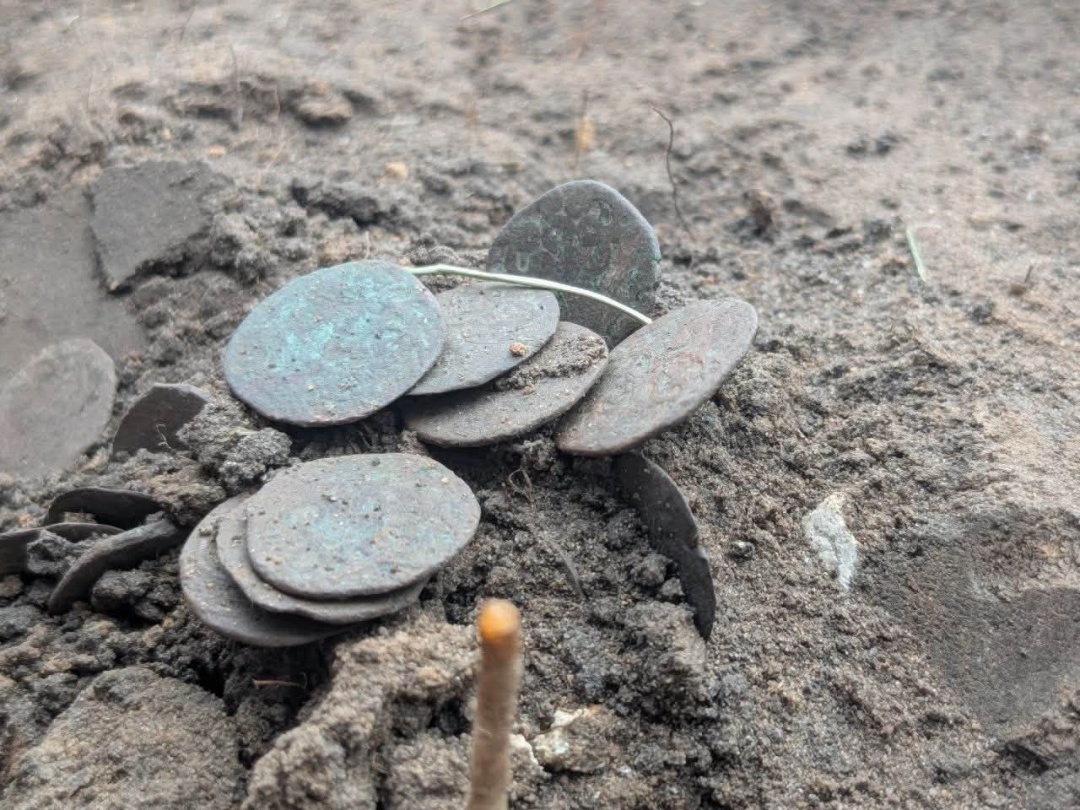
The researchers paid particular attention to materials from the 13th–15th centuries. These provide insight into the fate of Hlynsk after the Mongol invasion.
“It shows that after the Mongol invasion, this territory did not become a wasteland. Therefore, post-Mongol Hlynsk increasingly emerges not as an ‘epilogue’ to the Old Russian settlement, but as a separate and important period in its history,” said the researcher.
According to him, the post-Mongol period was known to researchers before, but now it is represented by a much broader range of archaeological materials.
“It would be incorrect to say that we ‘discovered’ the 13th–15th centuries this year. However, this period is now much better documented archaeologically. This allows us to ask new questions: Who lived here after the collapse of the Old Russian political system? How was this community organized? What were its ties to the steppe, the Golden Horde, and the Grand Duchy of Lithuania?” said Pugolovok.
Yuriy Pugolovok, a leading research fellow at the “Bilsk” Historical and Cultural Reserve and a candidate of historical sciences, told Ukrinform about this.
The remains of 89 soldiers were exhumed at the Holoskovsky Cemetery in Lviv.
Prior to this, the Polish Institute of National Remembrance stated that Ukraine had authorized exhumation work at the site of the former village of Huta Peniatska. The work involves the search for and exhumation of the remains of victims of the Volhynia tragedy.
In Volhynia, Ukrainian and Polish experts completed exhumation work in the territories of the former villages of Ostrivky and Volia Ostrovetska, where they conducted research on mass graves from World War II.




