
What it's like to work at the TCC from the inside
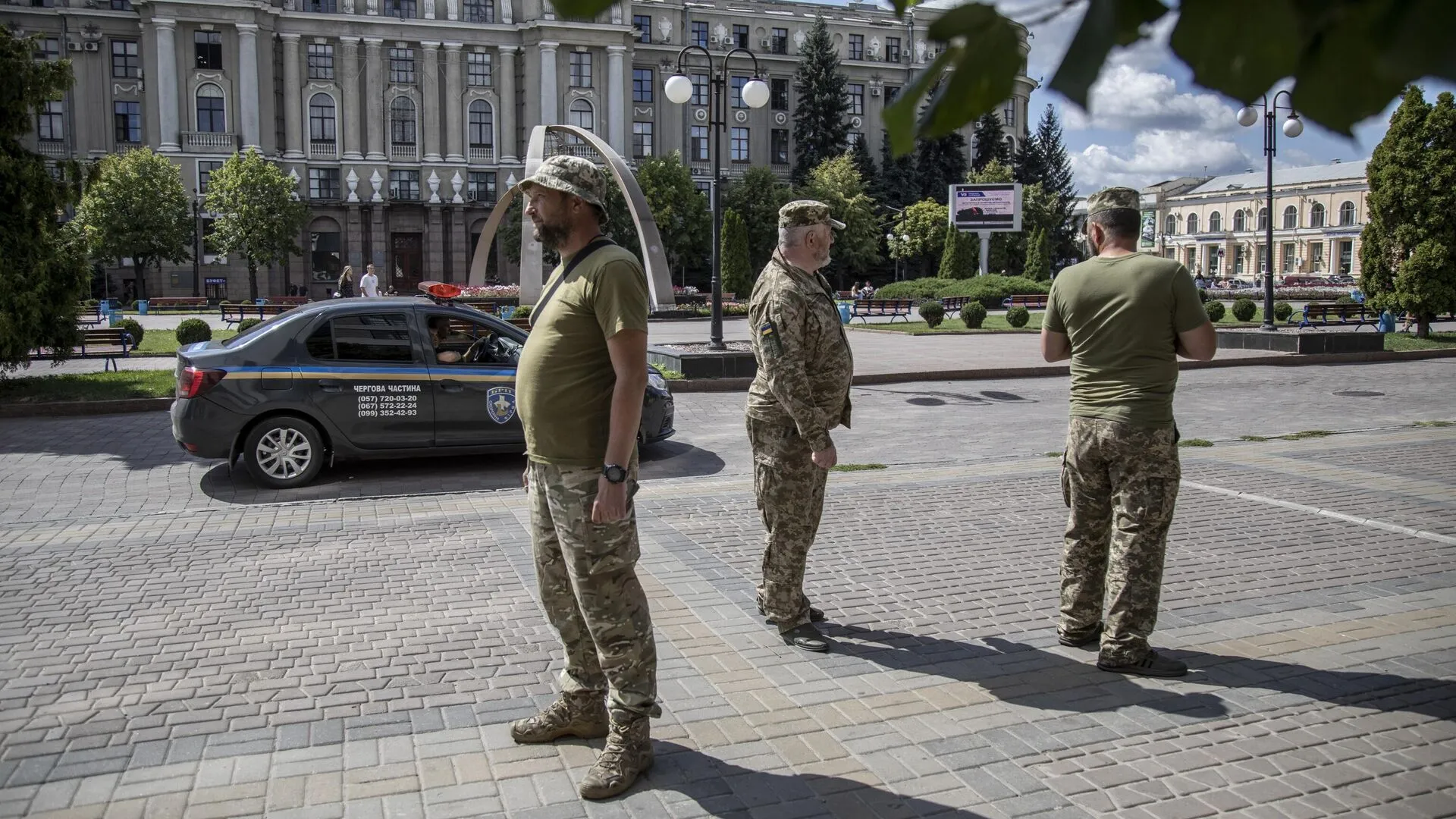
Over the past year and a half, the conflict surrounding mobilization in Ukraine has reached a critical point.
Ukrainska Pravda reports on this.
The murder of soldier Oleksandr Sykalchuk at a gas station in Pyriatyn and recent corruption scandals in Odesa have become symbols of a deep divide between civilians and those in uniform.
The confrontation has reached alarming proportions: during the full-scale war, 619 attacks on military personnel have been recorded, three of which were fatal.
Who serves in the territorial centers
The structure of the TCC consists of military personnel and civilian employees. The military component is divided into three parts: leadership, headquarters, and a security company.
Commanders are appointed by the operational command, and they are the ones who set the “tone” within the unit—ranging from professional journalistic ethics to authoritarian pressure.
The staff handles recruitment and paperwork. The key figure here is the operator of the “Oberig” system, who has the authority to assign “wanted” status.
Most staff members are mobilized specialists with legal or technical backgrounds who often consider such service in the rear to be “lucky,” even though they face immense psychological pressure.
Alert teams: the most dangerous job
The security company consists mainly of soldiers who were transferred after being wounded. They are the ones who go out into the streets as part of notification teams.
Although by law local authorities are supposed to assist with delivering summonses, in practice village heads and community leaders often step aside, fearing retaliation from neighbors. “We don’t want our houses burned down later,” the soldiers quote them as saying.
Working in notification teams is exhausting: crews start their shift at 6 a.m. Due to widespread evasion of registration and numerous (often fictitious) reservations, the effectiveness of the work is declining.
Whereas they used to hand out dozens of summonses a day, there are now days with zero results. At the same time, mobilization plans from the General Staff remain mandatory.
Corruption Schemes and the Right to Use Force
Unfortunately, power over people’s fates breeds abuse. In some TCCs, schemes to “get people off the hook” for money are in place.
Registry operators may “forget” to add a person to the wanted list, and escorts may arrange for a mobilized person to “escape” on the way to the training center in exchange for a reward of several thousand dollars.
“When a sales agent who sells ‘Mivina’ has a reservation, it’s laughable, to say the least,” the subjects of the article note.
The huge number of luxury car owners with suddenly acquired disability classifications only intensifies the sense of social injustice, which becomes the main fuel for conflicts on the streets.
Military personnel at the TCC often feel abandoned by the state. They have no weapons for self-defense against aggressive civilians, but are required to meet their quotas under threat of being sent to the front lines.
“The state hasn’t given you a single tool for mobilization, not a single right to defend yourself,” one of the characters states.
Now the TCCs have turned into an institution that everyone hates: both civilians who fear conscription and frontline soldiers who see corruption in the rear.
Without systemic changes in legislation and the eradication of “fake” deferments, this festering rift in society will only deepen, jeopardizing the country’s defense capabilities.
Ombudsman names regions with the most violations by TCCs
On April 21, the Security Service of Ukraine detained military personnel from one of the district territorial recruitment and social support centers in Odesa.
It is reported that the detention of TCC representatives took place on Balkivska Street, involving a chase and gunfire.


