
Gardener's Calendar for September 2026: Time to Prepare for Frost
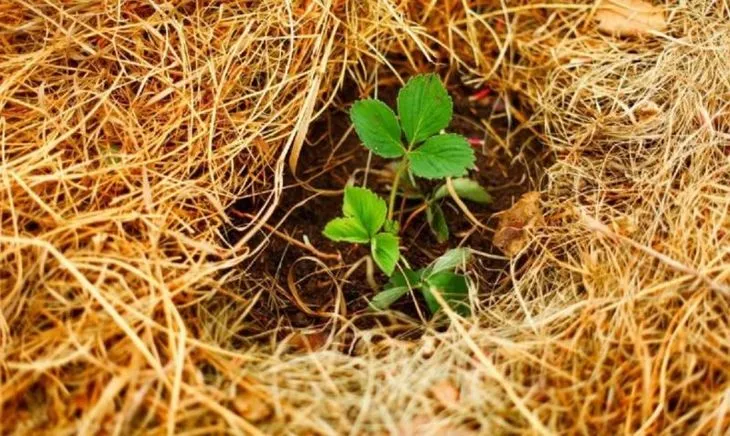
September is one of the most important and busiest months in a gardener’s annual cycle. It is a time of active harvesting, when the results of all the summer’s work are tallied, as well as a period of careful preparation of the garden for its upcoming winter rest and the next planting season. Falling temperatures and the first autumn dews require gardeners to act quickly, as it’s important to harvest the crops in time before the first frosts arrive.
In addition to harvesting, September offers ample opportunities for winter planting, sowing green manure crops, and preparing future compost. Properly executed agricultural practices during this period not only help preserve the harvest without loss but also significantly improve soil structure and increase its fertility for the following year.
Key Aspects of Garden Work in September
Throughout the first half of September, the mass harvest of heat-loving crops that are sensitive to nighttime cooling continues. Starting in the second half of the month, the focus shifts to harvesting root vegetables, preparing the soil, clearing garden beds of plant debris, and applying organic and mineral fertilizers. This period is also ideal for storing vegetables for long-term winter storage in basements and cellars.
Main types of September garden work:
1. Harvesting heat-loving vegetables—the final harvest of tomatoes, peppers, eggplants, and zucchini before the first night frosts arrive.
2. Harvesting root vegetables—mass harvesting of potatoes, carrots, beets, and celery in dry weather for better winter storage.
3. Planting winter garlic and onions—planting cloves and seed onions in the second half of the month to ensure they take root before the frosts.
4. Sowing green manure crops — sowing mustard, phacelia, or rye in vacant beds to enrich and naturally loosen the soil.
5. Sowing fast-growing crops — plant radishes, spinach, lettuce, and dill to harvest fresh greens before the cold weather sets in.
6. Making compost and tilling the soil — removing plant debris, digging over the plot while adding organic matter, and forming new compost piles.
Rules and Tips for a Successful Harvest
All garden work in September should be done with the weather in mind, choosing dry days for harvesting. Harvested root vegetables and potatoes must be dried in the shade and carefully sorted before being stored in the cellar, discarding any damaged specimens. The main rule for fall garden care is not to leave the soil exposed over winter; instead, plant green manure or apply mulch to protect the soil from wind erosion and freezing.




