
Behind the facade of cosmetics lies an entire system: what is known about the Biopatid case
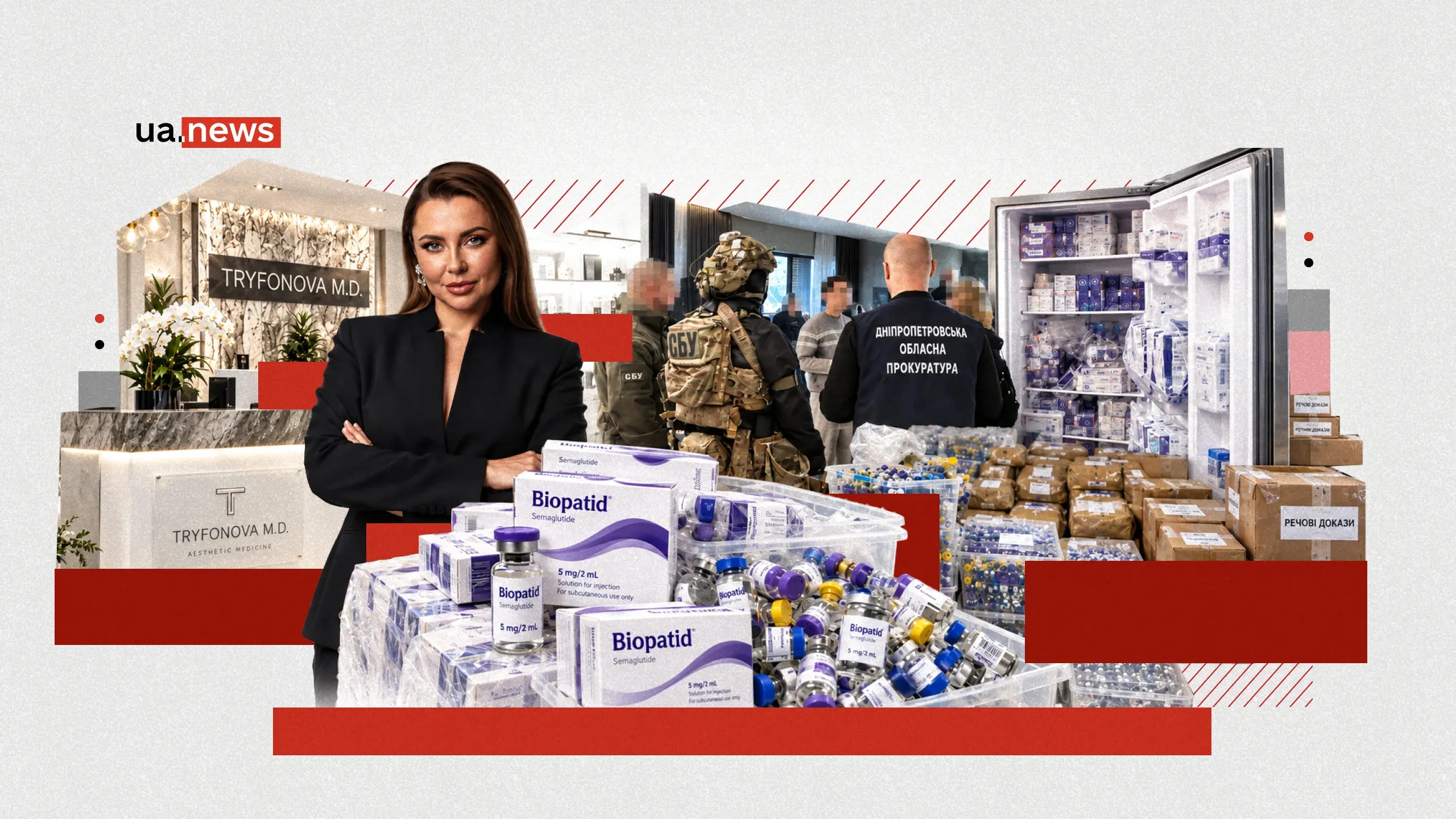
This “cosmetics” company had a website, managers, a warehouse, delivery via “Nova Poshta,” training, and even certificates. At least, that’s how the investigation into the Biopatid case appears to be unfolding. Law enforcement officials believe that behind the attractive facade of Biopell Medical lay a large-scale operation involving the production, packaging, advertising, and sale of products.
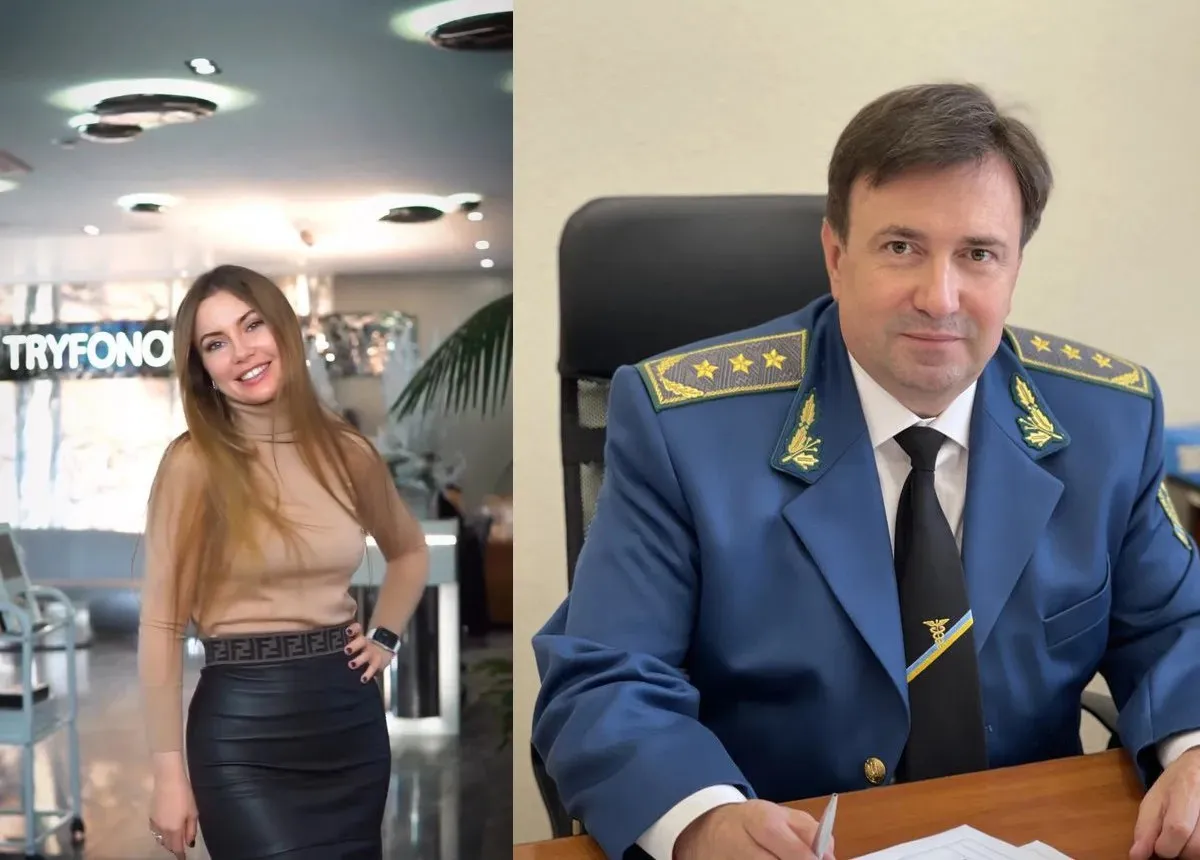
The scheme for selling Biopatid products may have had a clear structure with roles assigned to its participants. Anatoliy Cherkassky served as the organizer and leader of the group. As noted in the case files, he allegedly developed the overall plan, recruited other participants, assigned their roles, and coordinated their activities.
It is likely that the scheme involved more than just the direct manufacture and sale of products. The participants attempted to create the appearance of a completely legitimate business. To this end, as law enforcement officials suggest, the company “Biopell Medical” was in operation, and the products could be presented to buyers as original and certified. At the same time, the sales themselves were disguised as the sale of cosmetics.
According to case files obtained by UA.News journalists, the scheme utilized office and production facilities where products were stored, filled, packaged, and prepared for shipment. The investigation also highlights the logistics: orders were accepted via the website and social media, after which they were shipped to customers via “Nova Poshta,” delivered by couriers, or handed over in person.
According to the investigation, the website biopell-medical.com, as well as pages on Instagram and other social media platforms, went live no later than January 2025. There, the individuals involved in the criminal case offered Biopatid, described its uses, and advertised training programs. Managers—presumably K.V. Zubrytska, A.V. Titok, Hassan H.A., given their status in the criminal proceedings, as well as representatives of “Biopell Medical.”
The Tryfonova M.D. aesthetic medicine clinic in Kyiv plays a significant role in the prosecution’s case. Law enforcement officials believe that its actual owner, Maria Tryfonova, may have provided the premises for the storage, demonstration, use, and sale of the products. Furthermore, it is likely that she personally conducted training sessions on the use of the products, after which participants were issued certificates.
The investigation also suggests that Trifonova’s professional reputation and the clinic’s social media pages were used to promote the products and build trust in the drugs. This refers, in particular, to educational courses, lectures, training sessions, and workshops during which, according to law enforcement officials, methods of using the drugs may have been demonstrated and recommendations regarding their use provided.
Cherkasy, meanwhile, was responsible for the overall management of the entire operation—from sourcing suppliers and necessary components to organizing production, advertising, sales, and financing. He is also accused of organizing the accounting of products, orders, and proceeds from sales, as well as the subsequent distribution of profits among participants based on their roles.
As noted in the case file, one of the incidents that investigators link to this group’s activities was the transfer of Biopatid 60 mg/2 ml vials to a co-defendant in the case. According to law enforcement, she was then supposed to ensure their subsequent distribution to clients. It should be noted that all these circumstances are currently likely to be the prosecution’s version of events and must be proven in accordance with the procedure established by law.
As a reminder, Biopatid was manufactured in Hlevas near Kyiv; the packaging workers at the plant earned about $1,200 per month, while the organizers of the scheme to manufacture the so-called “miracle weight-loss remedy” raked in up to 90 million hryvnias monthly.
The investigation into the production and distribution of the product uncovered a full-fledged criminal pyramid scheme, from couriers to the alleged ringleaders. However, the defendants in court adopted opposing defense strategies: they claimed to have worked as “ordinary cosmetics packagers,” while the organizer insisted that he was responsible only “for photos and marketing.”
A court in Dnipro set bail in the millions for the defendants in the Biopatid case
The Central District Court of Dnipro granted the motion filed by prosecutors from the Dnipropetrovsk Regional Prosecutor’s Office and remanded the key defendants in the case involving the manufacture and mass distribution of counterfeit weight-loss drugs into custody. The total amount of alternative bail set by the investigating judge exceeded 146 million hryvnias.
The court set the highest bail amounts for the two main suspects in the case, presumably Anatoliy Cherkassky and Maria Trifonova. Prosecutors requested that a bail of 90 million hryvnias be set for Anatoliy Cherkassky, whom investigators consider to be the direct organizer and leader of the entire criminal group. The investigating judge ordered him to remain in custody until November 10, 2026, with the alternative of posting 75 million hryvnias in bail. As for Maria Trifonova, who is listed in the case files as a sole proprietor and medical director of MEDHAUS LTD LLC and who is charged with organizing sales as part of the group, the court set bail at 68 million hryvnias, despite the prosecution’s request for 80 million hryvnias.

In justifying the bail amounts—which are dozens of times higher than the standard upper limit set by the Criminal Procedure Code of Ukraine for serious crimes—prosecutors and the court relied on the scale of the suspects’ illicit profits and their actual wealth. According to investigators’ estimates, the group’s systematic operation—selling injectable drugs disguised as cosmetics—generated up to $2 million, or nearly 90 million hryvnias, per month for its members. In addition, during searches of the suspects’ premises, significant amounts of cash, luxury wristwatches, high-end cars, and documents for a large portfolio of real estate were seized. To substantiate these decisions, the investigating judge specifically cited a legal precedent—Decision No. 9-r(II)/2026 of the Constitutional Court of Ukraine dated July 21, 2026. According to this ruling, setting bail above the maximum limit is entirely lawful if the court analyzes the actual value of the suspect’s assets, potential income, and expenses, since the standard bail amount under the Code of Criminal Procedure would have no deterrent effect on individuals with such wealth.
Victims of the Drug
Earlier, in the case involving the counterfeit weight-loss drug Biopatid, investigators began identifying people who may have suffered harm after receiving injections of the drug. Andriy Dyachenko, a prosecutor with the Dnipropetrovsk Regional Prosecutor’s Office, spoke to UA.News about this. According to the prosecutor, law enforcement agencies are already receiving reports from people claiming to have health problems. The consequences for patients could be particularly serious.
“We are currently investigating the consequences, documenting them, and collecting statements from victims whose health has been harmed. We will soon be able to make this information public.”
Andriy Dyachenko emphasizes that the “Biopatid” case is not so much about the underground production of weight-loss ampoules, but rather about the fact that a “drug” with that name does not exist anywhere in the world. The name was invented from scratch, and the product itself was registered as a regular cosmetic and sold to the public on a massive scale under the guise of a “cosmetic product.”




