
Mykola Dzyuba, who voted for Ukraine's independence, has died
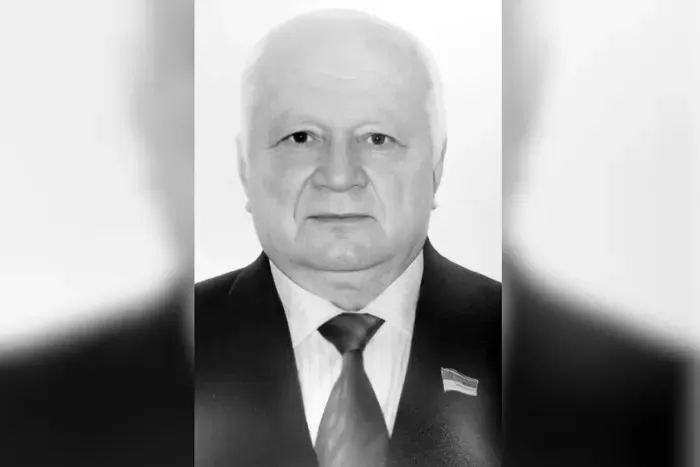
Mykola Dzyuba, a member of the first convocation of the Verkhovna Rada of Ukraine, has died. He was among the deputies who adopted the Act of Declaration of Independence of Ukraine in 1991, and prior to that, he had supported the Declaration on State Sovereignty.
Mykola Dzyuba was born on November 12, 1946, in the village of Suvid in the Vyshhorod District of Kyiv Oblast to a peasant family.
His career began in 1964. Dzyuba worked as a plumber at a military unit and later completed his mandatory military service. Starting in 1968, he worked as a driver for a trucking company in Kyiv. It was precisely as a representative of the working class that he was later nominated as a candidate for the Verkhovna Rada.
In 1989, Dzyuba ran for a seat in the Supreme Soviet of the USSR. And on March 18, 1990, in the second round of elections, he became a People’s Deputy of Ukraine of the First Convocation. Dzyuba won in the Obolon Electoral District No. 11 in Kyiv, receiving 42.53% of the vote.
In parliament, he joined the opposition bloc “People’s Council.” It opposed the Communist majority and advocated for Ukraine’s state independence. Dzyuba participated in drafting the Declaration on the State Sovereignty of Ukraine, which the Verkhovna Rada adopted in 1990. And on August 24, 1991, he was among the deputies who supported the Act of Declaration of Independence of Ukraine.
In the first convocation of the Verkhovna Rada, Dzyuba focused primarily on social policy issues. He served as secretary of the Committee on Social Policy and Labor and also chaired the subcommittee on the development of the service sector. In the 1994 parliamentary elections, Dzyuba ran as a candidate in Obolon District No. 10 but later withdrew his candidacy.
After leaving his position as a deputy, he worked as an advisor to the International Foundation for Humanitarian and Economic Relations between Ukraine and Russia. A significant chapter in his biography was his involvement in the cleanup efforts following the Chernobyl nuclear accident. In 1986, Dzyuba participated in the cleanup efforts following the disaster. During the Soviet era, he was awarded the “Badge of Honor” and the “Labor Glory” Order, 3rd class.
Mykola Dzyuba was married and had two children. The Verkhovna Rada expressed its condolences to his family, loved ones, friends, and colleagues. “We express our sincere condolences to his family, loved ones, friends, colleagues, and everyone who knew and respected Mykola Hryhorovych. May his memory live on forever,” reads the parliament’s statement. The Verkhovna Rada announced Mykola Dzyuba’s death. The cause and circumstances of his death were not specified by the parliament.


