
Russia Attacked More Than 50 Ships in the Black Sea This Summer — UN
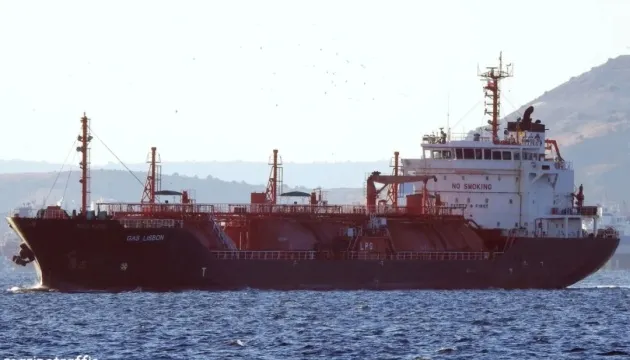
Russia continues to target Ukrainian ports, civilian vessels, and shipping lanes in the Black Sea. According to Mariana Betsa, Ukraine’s Deputy Minister of Foreign Affairs, Russian forces attacked more than 50 vessels in the summer of 2026 alone, and nearly 30 people were killed.
The Ukrainian official emphasized that Russian attacks on maritime infrastructure are systematic in nature. These attacks target not only military facilities but also civilian vessels, ports, grain terminals, and other facilities essential for Ukraine’s exports. According to Betsy, Russia has damaged more than 1,050 port infrastructure facilities in recent years. Russian forces have also attacked more than 240 civilian vessels.
“In recent years, Russia has damaged more than 1,050 port infrastructure facilities and attacked more than 240 civilian vessels; in the summer of 2026 alone, Russia attacked more than 50 vessels. Nearly 30 people were killed,” said the deputy minister.
Why the Black Sea Is So Important to Ukraine
The maritime route is of immense importance to the Ukrainian economy. It is through the Black Sea ports that Ukraine exports a significant portion of its grain, oilseeds, and other agricultural products. According to Betsa, about 90% of Ukraine’s grain and oilseed exports pass through Black Sea ports.
Other routes are also used, but they cannot fully replace maritime transport. Rail and road transport have limited capacity, and shipping large shipments by sea remains significantly more efficient. Therefore, attacks on Ukrainian ports and ships affect more than just Ukraine itself. They can create problems for international trade and food supplies to other countries.
The Ukrainian side emphasizes that Russia is attempting to weaken Ukraine’s export potential through these attacks. This is particularly true for agricultural products, which are one of the key sectors of Ukrainian exports.
Russian attacks threaten civilian ships
Attacks on civilian ships pose a separate problem. Such vessels carry grain, oil, and other cargo, and their crews consist of civilian sailors. Ukraine states that Russian strikes pose a danger not only to Ukrainians but also to citizens of other countries who work on ships or use maritime routes.
According to Betsy, international food supply chains have already been disrupted by Russian attacks. This is causing additional concern for countries that depend on imports of grain and other agricultural products. “There is absolutely no justification for Russia’s actions, which are completely unlawful under international law,” stated the representative of the Ukrainian Ministry of Foreign Affairs. She called on the international community to increase pressure on Russia and do more to protect civilian shipping.
Russia is also exporting Ukrainian grain from the occupied territories
During her speech at the UN, Betz drew attention to another issue—the illegal export of Ukrainian grain from the temporarily occupied territories. According to her, Russia is not only attacking Ukrainian ports and maritime routes but is also seizing agricultural products in the occupied territories. Ukraine claims that this grain subsequently ends up on international markets. In particular, vessels from the so-called “shadow grain fleet” are used to transport it.
In 2025 alone, more than 2 million metric tons of Ukrainian grain were illegally seized. The Ukrainian side estimates its total value at approximately $400 million. According to Betsa, part of this produce was subsequently exported to other countries. “Stolen Ukrainian agricultural products must be seized, not legitimized,” the deputy minister emphasized.
What’s Happening with Ukrainian Maritime Exports
Despite Russian attacks, Ukraine continues to use Black Sea ports for exports. The maritime corridor remains one of the key routes through which Ukrainian products reach the global market. However, constant attacks pose additional risks to shipowners, crews, and international companies. Each attack can result in damage to a ship, delays in shipments, or the need to change routes.
The problem also has broader economic implications. If Ukrainian exports decline, this could affect food prices and availability in countries that purchase Ukrainian grain. Ukraine therefore views the protection of maritime routes not only as a matter of its own security but also as part of global food security.
Why This Matters to the World
Ukraine is one of the major suppliers of grain and oilseeds to the global market. Through Ukrainian ports, these products reach countries in Europe, Asia, Africa, and the Middle East. Russian strikes on port infrastructure could disrupt these exports. If shipments are delayed or volumes decrease, this puts additional pressure on the international food market.
That is why Ukrainian diplomats are raising this issue at the international level. Kyiv is urging its partners not to view attacks on ports and civilian vessels as a local problem. This concerns the security of trade routes, the operation of ports, and the ability to transport food unimpeded between countries. In her address to the UN, Mariana Betsa called on the international community to respond to Russian attacks and increase pressure on Moscow.
According to her, the goal must be to put an end to Russian terror against Ukraine’s port infrastructure and to protect people who depend on stable international food supplies. According to Ukrainian sources, Russia attacked more than 50 civilian vessels in the Black Sea this summer alone. In total, over the past few years, the number of civilian vessels attacked has exceeded 240, and the number of damaged port infrastructure facilities has reached 1,050.
Ukraine emphasizes that these attacks are part of a systematic campaign against its maritime exports. At the same time, the issue extends far beyond the Ukrainian economy, as the food security of many countries around the world depends on the stability of maritime shipments. Mariana Betsa made this statement on September 1 during a UN General Assembly meeting dedicated to the situation in the temporarily occupied territories of Ukraine.
The countries of Northern Europe and the Baltic states have demanded the immediate, complete, and unconditional withdrawal of all Russian troops from the territory of Ukraine within its internationally recognized borders.




