
A fuel embezzlement scheme in the Ukrainian Armed Forces has been uncovered in the Khmelnytskyi region
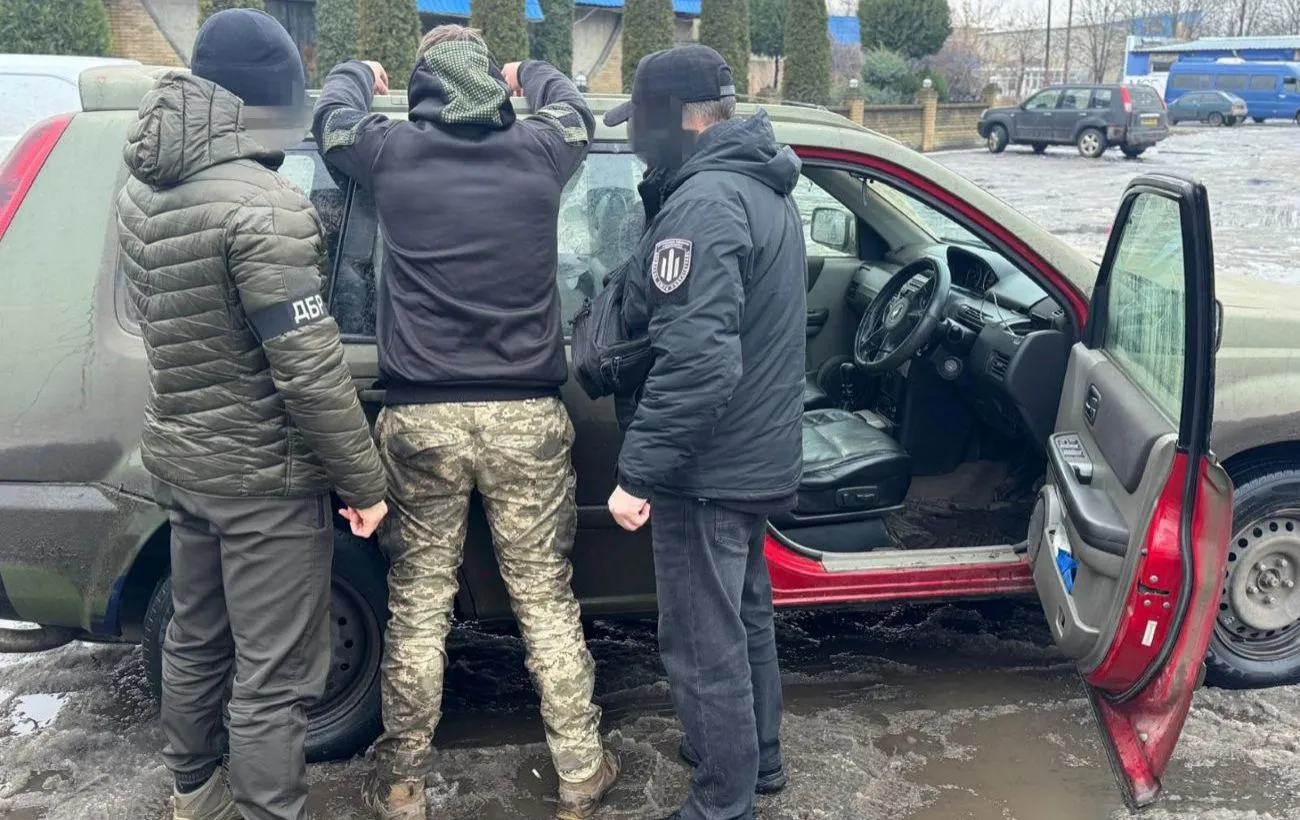
In the Khmelnytskyi region, an official from a military unit was caught engaging in the large-scale sale of diesel fuel that was intended for the unit’s needs. According to the investigation, at least 17 tons of fuel were allegedly “diverted” through the scheme over a five-month period, and the losses are still being calculated, reports.
The State Bureau of Investigations announced that it had notified an official from one of the military units in the Khmelnytskyi region of his status as a suspect. He is suspected of organizing a scheme to illegally sell diesel fuel intended to supply the unit, where, instead of being accounted for for service use, it was converted into “surplus” on paper and then quietly disappeared into private hands, creating a classic scheme of internal embezzlement during martial law.
According to the investigation, the military officer responsible for the supply platoon systematically entered false data into the records in the summer of 2025, effectively “inventing” excess fuel, which he then sold to third parties at an undervalued price—from 35 to 50 hryvnias per liter, significantly below market rates and appearing as a quick way to monetize military resources.
Law enforcement officials note that the officer was detained while attempting to sell another batch—about one ton of diesel—but operational intelligence indicates that over the course of five months, at least 17 tons of fuel may have passed through the scheme, and the exact amount of losses is still being determined.
The State Bureau of Investigation adds that they are currently investigating the possible involvement of other military personnel in this scheme, as such schemes rarely operate in isolation, and are also gathering a complete body of evidence regarding the movement of fuel and financial flows.
The official is charged with the theft of military property committed by a group of individuals under martial law—this falls under Part 4 of Article 410 of the Criminal Code of Ukraine, which provides for a severe punishment of imprisonment for 10 to 15 years, and the case is being prosecuted by the specialized defense prosecutor’s office for the Western Region.




