
September 2, 2026 Holiday — Odessa Day: The City's History and Interesting Facts

On September 2, Odessa celebrates City Day. This year marks the city’s 232nd anniversary from the date traditionally considered the beginning of its history as a new port city—September 2, 1794. At the same time, Odessa’s history is much older, and the exact date of its “birth” remains a subject of debate among historians.
Odessa Day is celebrated annually on September 2. In 2026, this date falls on a Wednesday. Traditionally, September 2 is associated with the start of construction of the new port city on the site of Khadzhibey in 1794. This date is used as the official starting point for calculating the age of modern Odesa. Odesa’s and the region’s official calendars also mark September 2 as City Day.
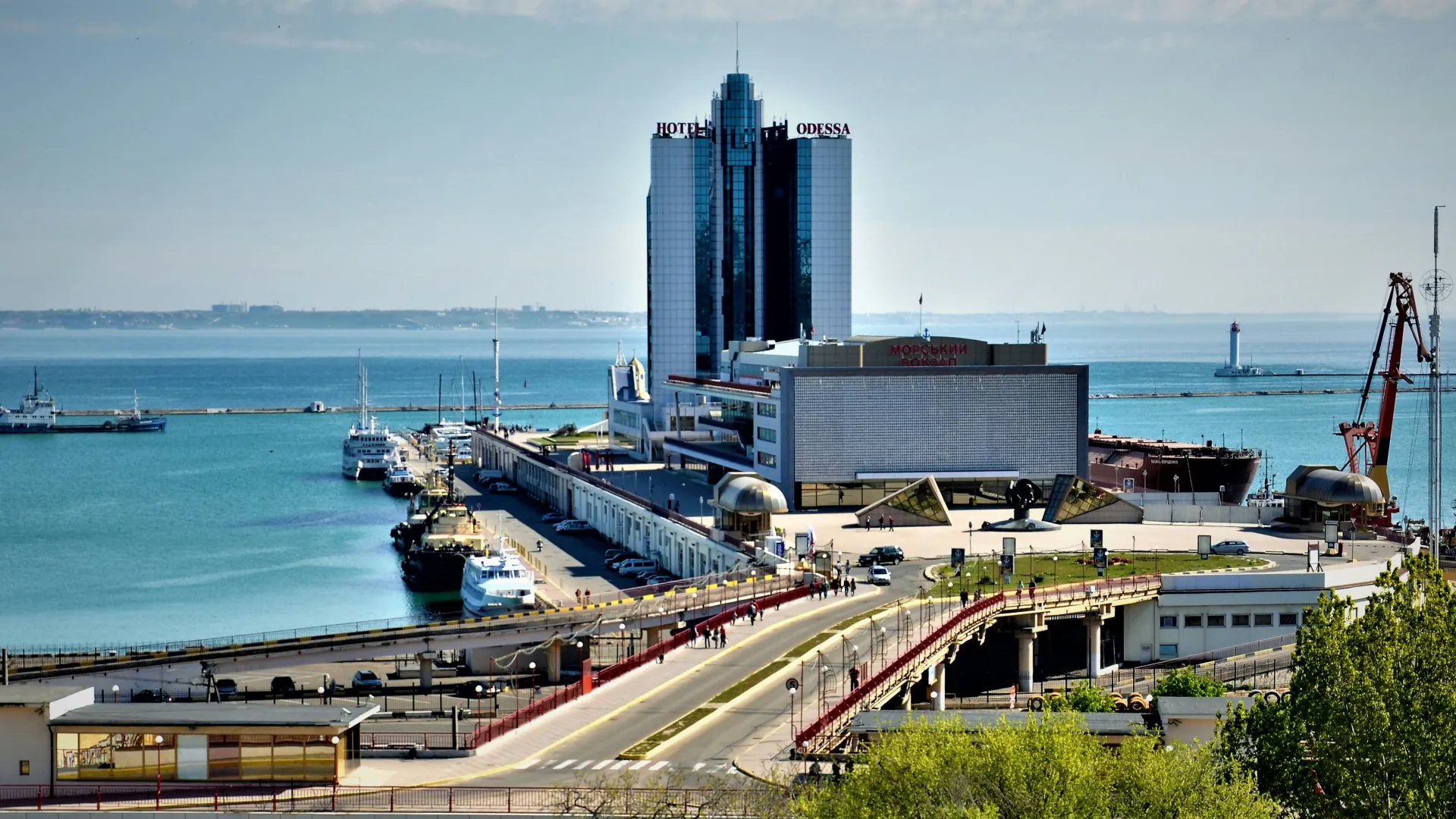
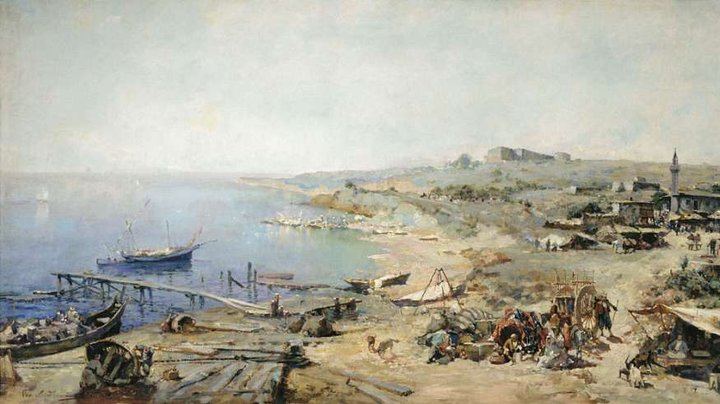
However, the history here is much more interesting than just a single date on the calendar. Settlements existed on the site of modern-day Odesa long before 1794. The medieval port of Khadzhibey was located here, and even earlier, the region was connected to various peoples and states that left their mark on the city’s history.

That is why historians still debate whether it is correct to consider 1794 the absolute beginning of Odessa’s history. Some researchers believe it is more accurate to trace the city’s history from the first written mention of a settlement at this site, even if it had a different name at the time. This approach is also used when determining the age of other Ukrainian cities. Despite the debate, September 2 remains the date on which Odessa traditionally celebrates its City Day.
How Modern Odessa Came to Be
In 1794, the Russian Empire began building a new port on the Black Sea coast. Prior to this, the area now known as Odessa was home to Khadzhibey, a settlement with a long history and a strategic location by the sea. By decree of Catherine II, plans were made to create a large port here, which was to become an important trading hub. It was the port that largely determined the city’s future. Thanks to maritime trade, Odessa began to grow very rapidly.

In the 19th century, the city became one of the main commercial centers of the Black Sea region. From 1819 to 1859, Odessa held the status of a “port franc,” meaning the city operated under special conditions for international trade. This attracted merchants, entrepreneurs, and people from various countries.
It was trade that largely shaped the character of Odessa. Ukrainians, Greeks, Jews, Bulgarians, French, Italians, and representatives of other nationalities lived here. The city gradually became multicultural and very diverse. UNESCO specifically highlights this feature of Odessa. The organization cites the city’s historic center as an example of the interaction between different cultures and peoples who influenced its architecture and development.
Why September 2 Is a Contentious Date
At first glance, it may seem simple: September 2, 1794, is Odessa’s birthday. But historians point out an important detail. In 1794, Khadzhibey already existed on this site. In other words, the city did not literally spring up “from scratch.” A settlement and port life had existed here previously, and the territory had its own history long before the name Odessa came into use.

In the 19th century, historian Apollon Skalkovsky proposed dating the history of Odesa precisely from September 2, 1794. According to the Ukrainian Institute of National Memory, he linked the city’s founding to the events of that day.

Some modern historians consider this tradition problematic. They emphasize that this approach effectively pushes the history of the settlement prior to 1794 into the background. That is why there are differing estimates of Odesa’s age today. At the same time, the official tradition has not changed: September 2 remains Odessa City Day.
How Odessa Day Is Celebrated
In peacetime, City Day was one of Odessa’s largest celebrations. Concerts, exhibitions, festivals, sports competitions, and various cultural events took place in the city center. One of the traditions was a solemn ceremony to raise the Odessa flag. On this day, flowers were also laid at monuments honoring people who played a significant role in the city’s history. Among them were José de Ribas, the Duke of Richelieu, Grigory Marazli, and other notable figures.

Another tradition was the unveiling of new names on Odesa’s Walk of Fame. This serves as a unique way for the city to honor those who have contributed to culture, the arts, sports, and the city’s development. Over the years, festive programs have taken place on Dumska Square, Primorsky Boulevard, Deribasovskaya Street, and in other parts of the city. The program could include concerts, theater performances, fairs, exhibitions, and workshops.
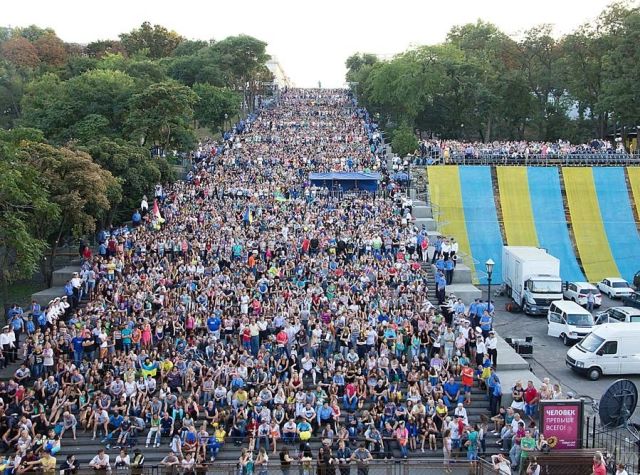
However, due to the full-scale war, the format of the celebrations has changed. Mass events that previously drew thousands of people may be restricted or canceled for safety reasons. That’s why today, Odessa Day is not just about concerts and entertainment. It is also an opportunity to reflect on the city’s history, its residents, its defenders, and the people who continue to support Odesa during the war.
Odessa and the Black Sea
The sea is one of the main reasons why Odessa has become the city we know today. The city is located on the northwestern coast of the Black Sea, and for centuries, its port has been the foundation of its economic development.
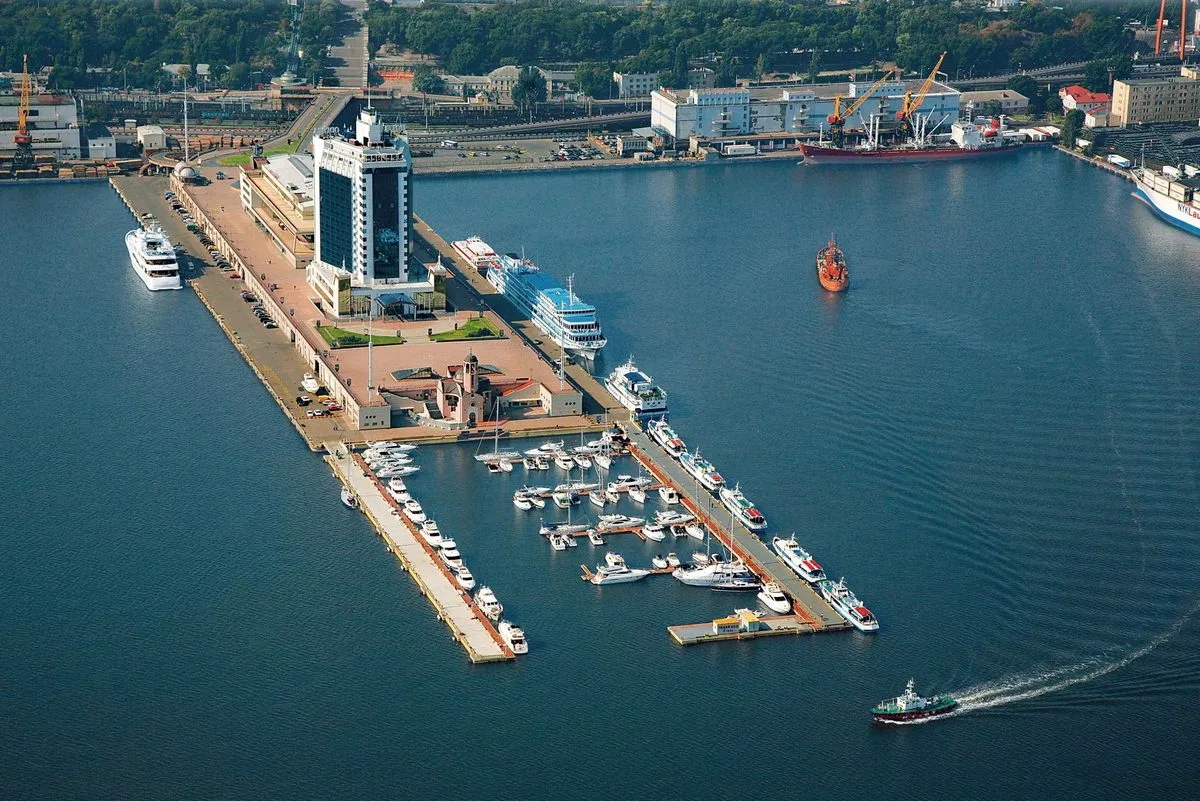
It was through the port that Odessa was connected to other countries and cities. Merchant ships came here, and grain and other goods were shipped out from here. Maritime trade helped Odessa quickly transform into a major international city.
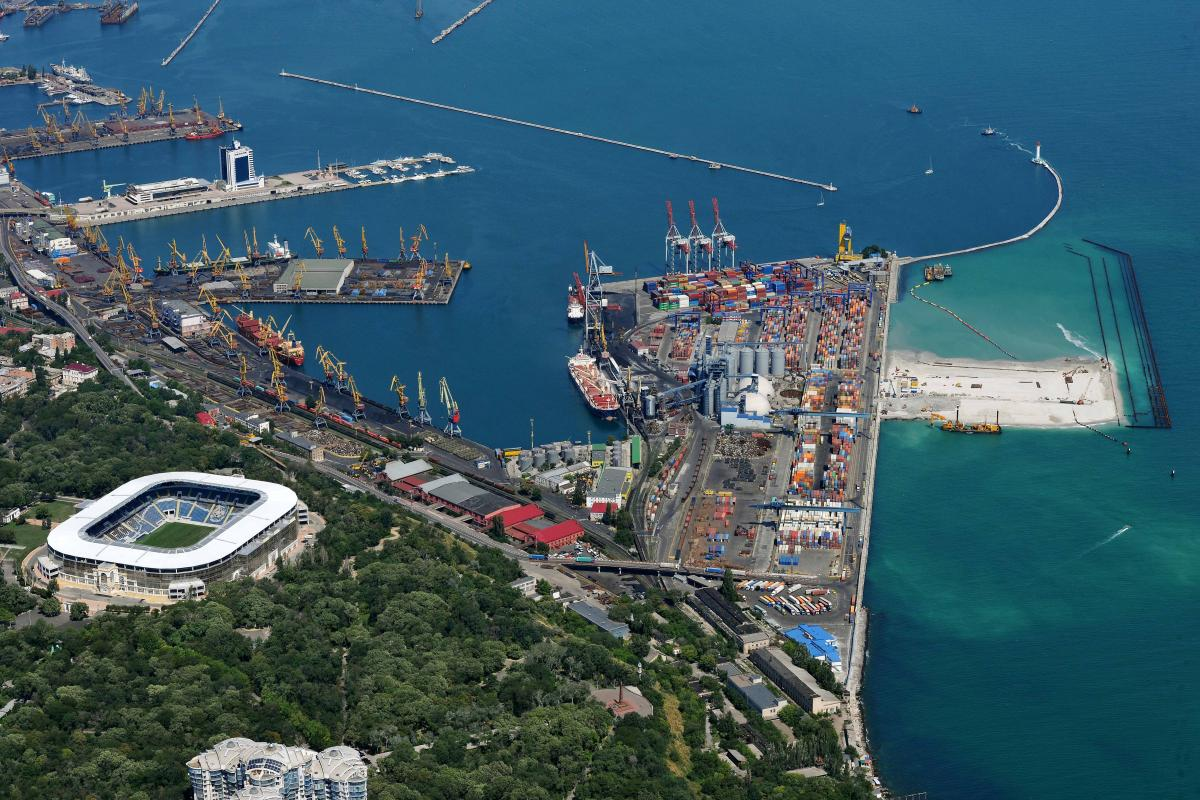
The port also influenced the city’s culture. Along with goods, people, languages, customs, books, music, and new ideas came to the city. This is how the city’s diverse character gradually took shape—a characteristic that is now considered one of Odessa’s defining features. UNESCO also attributes the rapid development of Odessa’s historic center specifically to the success of the port, trade, and the city’s multinational population.
Odessa in Architecture
Odessa is known not only for the sea but also for its architecture. The city’s central neighborhoods were developed primarily in the 19th and early 20th centuries. The Seaside Boulevard, the Potemkin Stairs, the Odessa Opera House, old apartment buildings, courtyards, and numerous historic streets have become recognizable symbols of the city.

In the city center, you can see a blend of different architectural styles. Odessa’s appearance was influenced by architects from various countries, including Italian masters. This is precisely why the cityscape turned out to be so diverse. In 2023, the historic center of Odesa was inscribed on the UNESCO World Heritage List under an emergency procedure. The organization highlighted its exceptional cultural value and the need for international protection.
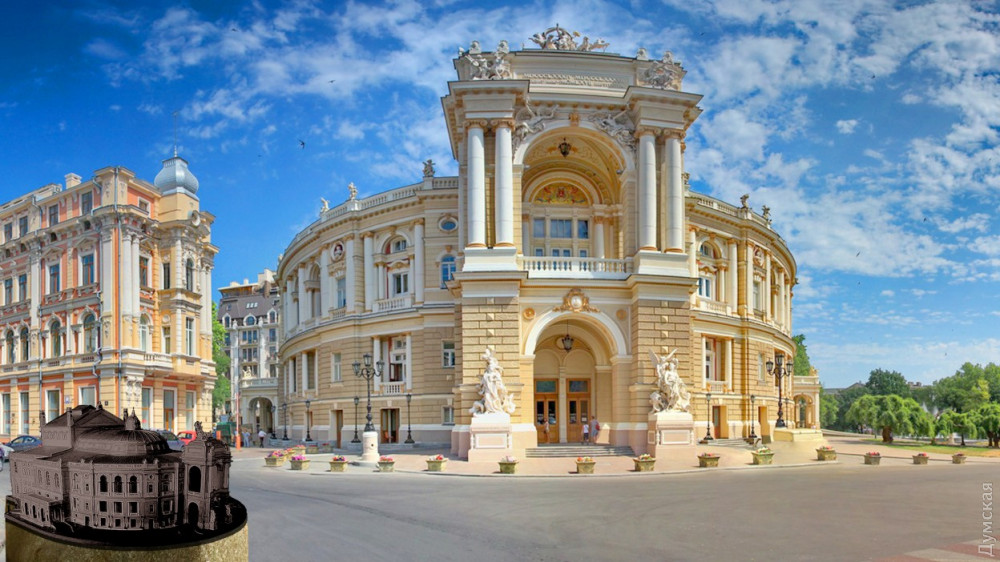
At the same time, Odessa’s historic center was added to the List of World Heritage in Danger. The reason is the full-scale war and the risks to the historic buildings. In 2025, UNESCO once again expressed serious concern about the damage that Odessa’s cultural heritage had suffered as a result of Russian attacks.
Interesting Facts About Odessa
Odessa has a history that goes back much further than 232 years. The year 1794 marks the beginning of the development of the new port city, but the territory of modern-day Odessa was inhabited long before that.
The city was multinational from the very beginning of its rapid development. Trade brought people from various nations here, and this had a profound impact on Odessa’s culture, cuisine, language, and architecture.
Odessa was a free port. From 1819 to 1859, its free port status created favorable conditions for trade and helped the city quickly grow wealthy and expand.
The historic center of Odessa is protected by UNESCO. In 2023, it was added to the World Heritage List, and due to the war that same year, the site was also designated as a World Heritage Site in Danger.
The city is home to Greek Park. It was opened on September 2, 2018, on the slopes of Primorsky Boulevard near the Potemkin Stairs. The park was named in honor of the Greek community, which played a significant role in the history of Odessa.
Odessa has become one of the symbols of Ukraine’s Black Sea region. Its port, architecture, culture, and unique urban atmosphere have long made the city recognizable far beyond Ukraine’s borders.
How to Celebrate Odesa Day in 2026
Under current circumstances, City Day should be viewed first and foremost as a day of remembrance and gratitude. Odessans can reflect on the history of their hometown, take a stroll through its historic center, or visit a museum or theater—if it is safe to do so and open for business. On this day, you can also discover a different side of Odesa—read about the history of Khadzhibey, learn more about Odesa’s old courtyards, or take a stroll along Primorsky Boulevard.
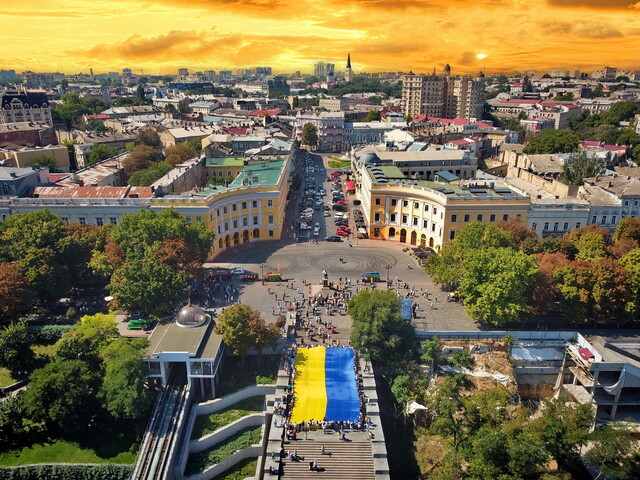
Another option is to support local cultural initiatives, museums, libraries, and other institutions that preserve the city’s historical memory. And most importantly—remember that Odesa today lives not only through its history. The city continues to endure the war, Russian attacks, and damage to its cultural heritage. That is precisely why Odessa Day in 2026 is an opportunity not only to celebrate the city’s anniversary but also to remind ourselves why it is important to preserve its historic streets, buildings, ports, and cultural landmarks.

Odessa has changed over the centuries, weathering wars, economic crises, and political upheavals. But its defining feature has always been its ability to bring together different cultures, people, and traditions. It is precisely this that makes Odessa today not just a major Ukrainian city by the sea, but an important part of the cultural heritage of Ukraine and Europe.


