
235 alerts were issued in Kyiv over the course of a month: Ukraine is preparing for mass production of interceptors
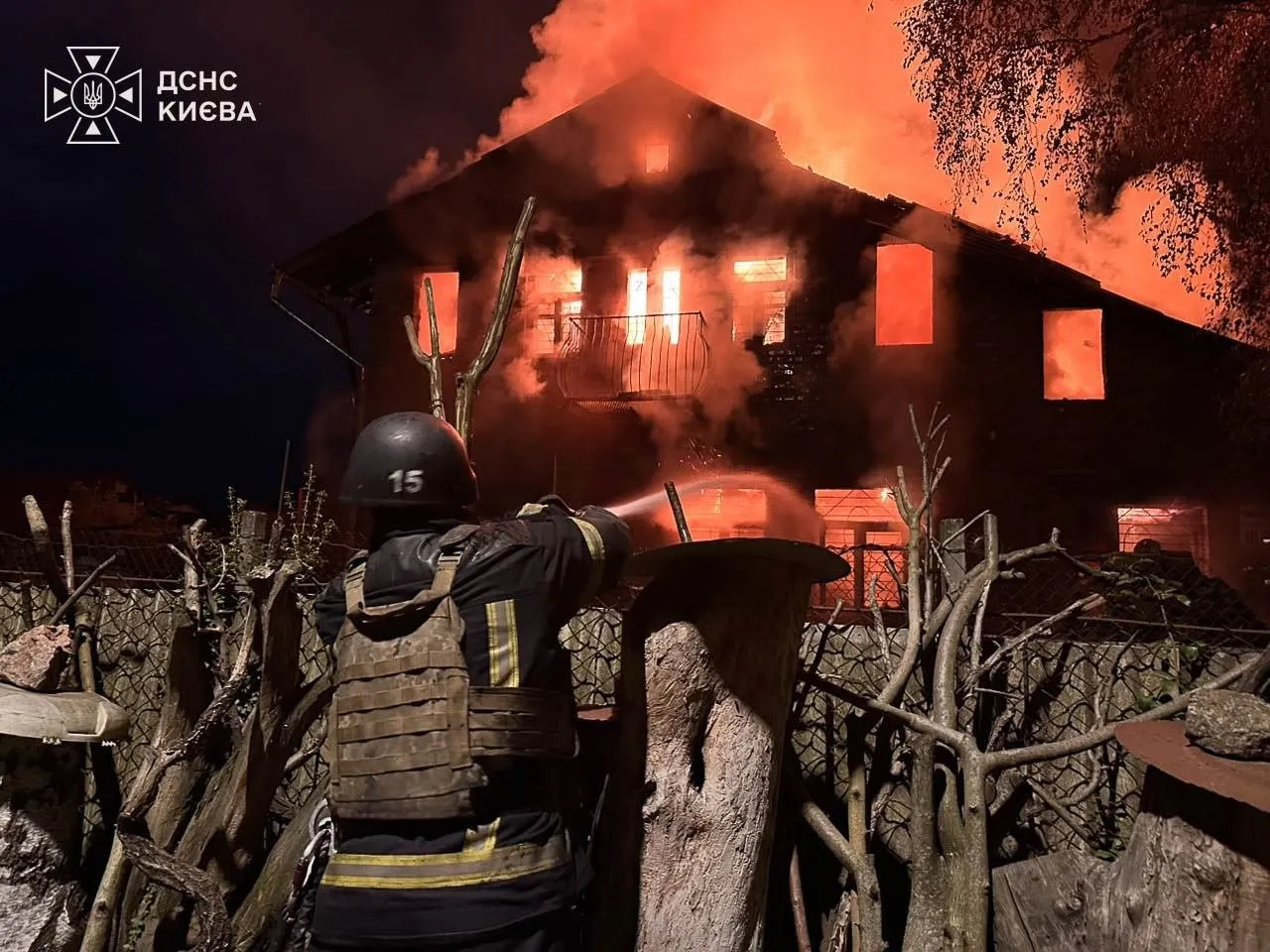
Since August 27, 235 air raid alerts have been recorded in Kyiv, lasting a total of 261 hours—more than 10 days. Ihor Klymenko, Secretary of the National Security and Defense Council, stated that the intensity of Russian attacks has become a new challenge for Ukraine’s air defense forces. According to him, new Ukrainian interceptor systems are already undergoing testing, and some combat units are using them in the field. Ukraine is preparing to move to mass production of these systems.
Kyiv has been on air raid alert for more than 260 hours over the past month. Since August 27, 235 air raid alerts have been recorded in the capital, with a total duration of 261 hours. This was reported on September 29 by Ihor Klymenko, Secretary of the National Security and Defense Council of Ukraine. According to him, Russian attacks are becoming more intense, and Ukraine needs new technical solutions to repel them.
“For a month now, Kyiv has been under almost continuous attack by Russian jet-powered UAVs. Since August 27, 235 air raid alerts have been recorded in the capital, totaling 261 hours—more than 10 days of continuous threat,” Klymenko stated.
This is a new challenge for air defense
Klymenko noted that such a high number of attacks places an additional strain on Ukraine’s air defense system. According to him, the Russians are changing their tactics for deploying strike drones. In particular, this involves the use of jet-powered drones, which have become a distinct problem for the defense of Ukrainian cities. “This is a new challenge for Ukrainian air defense, one that requires rapid technological solutions and mass production of interceptor systems,” said the NSDC secretary. It’s not just about finding specific ways to shoot down such targets. Ukraine wants to scale up production of systems that can be deployed in large numbers.
New interceptors are already being tested
According to Klymenko, Ukrainian interceptors are already undergoing active testing. At the same time, some combat units are already using them during real-world operations. In other words, these systems have not yet been fully transitioned to mass production, but they are already being tested in real-world conditions. “We are working with manufacturers to improve their effectiveness and transition to mass production,” Klymenko said.
The transition to mass production is currently considered one of the main priorities. At the same time, the Ukrainian military and developers must continue to refine the interceptors in light of changes in Russian drones and the ways they are deployed.
What Was Discussed at the Supreme Command Headquarters
The development and scaling up of such systems were specifically addressed during the most recent meeting of the Supreme Commander-in-Chief’s Headquarters. According to Klymenko, the meeting covered the entire process—from development and testing to the production and delivery of new interception systems.
As a result, priority steps were identified to help increase these capabilities. The National Security and Defense Council is also coordinating the efforts of government agencies, the military, and Ukrainian manufacturers. In other words, this involves joint work across the entire chain—from the creation of new technology to its delivery to combat units.
Why Ukraine Needs Interceptors
Interceptors can serve as another tool in the air defense system. Their mission is to destroy enemy air targets before they reach their objectives. This is particularly important during massive attacks, when a large number of drones are launched simultaneously. In such a situation, Ukraine needs to have sufficient capabilities that can be rapidly deployed against various types of targets.
The National Security and Defense Council previously reported that in 2026, Ukraine significantly increased the production of interceptor drones. According to the agency, production volumes increased eightfold compared to the previous period. At the same time, the current focus is on new systems designed specifically to counter new aerial threats. The Ukrainian side has not disclosed all the technical specifications of these systems.
Attacks on Kyiv Continue
Efforts to develop the interceptors are intensifying amid regular Russian attacks on the capital and the Kyiv region. In just one month, air raid alerts in Kyiv lasted a total of 261 hours. This means that for nearly 11 days, residents of the capital were under air raid alerts.
In recent weeks, Kyiv has been repeatedly attacked by large groups of drones. Russia is also deploying various types of aerial targets, forcing Ukrainian air defense forces to operate simultaneously across multiple fronts. That is why Ukrainian military personnel and developers are seeking ways to increase the number of interceptors and make them more effective.
Ukraine is also asking its partners for help
At the same time, Ukraine is continuing negotiations with Western partners to strengthen its air defense. According to the National Security and Defense Council, one area of cooperation remains the production of interceptor missiles for U.S. Patriot systems directly in Ukraine. Klymenko stated that Kyiv is interested in implementing this agreement as soon as possible.
Thus, Ukraine is working on several fronts simultaneously: increasing the production of its own interceptors, developing other air defense capabilities, and negotiating with partners for additional systems and missiles. Klymenko emphasized that Ukraine’s air defense must constantly adapt to Russia’s new tactics. Currently, some of the new Ukrainian interceptors are already undergoing combat testing, and the next step is to increase their production and delivery to military units. This was stated by Ihor Klymenko, Secretary of the National Security and Defense Council of Ukraine.
Ukrainian President Volodymyr Zelenskyy met with Odile Renaud-Basso, President of the European Bank for Reconstruction and Development.




