
Zelenskyy's Office Outlined the Main Conclusion from the EU's 21st Package of Sanctions Against Russia
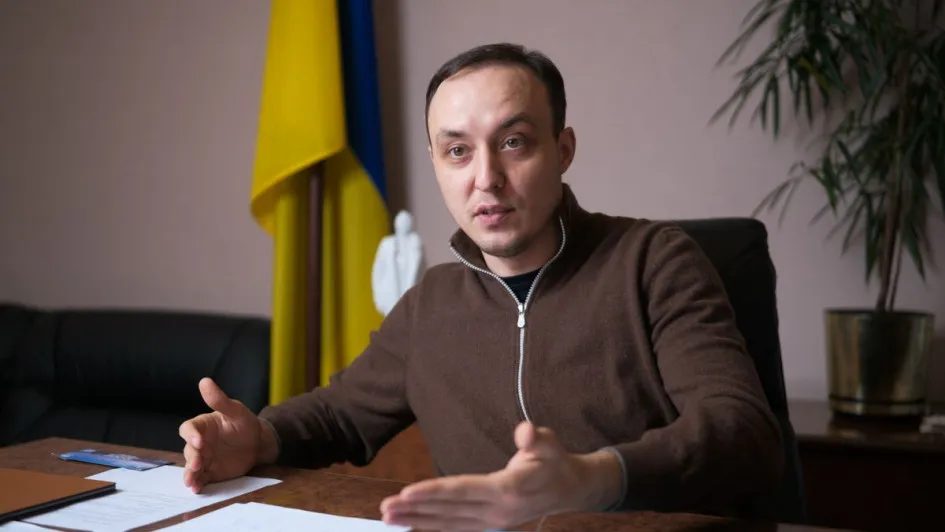
The adoption of the European Union’s 21st package of sanctions against Russia demonstrated the partners’ ability to reach compromises and increase pressure on Moscow. A significant portion of the proposals in the new package resulted from the analysis and work of the Ukrainian team, said Vladislav Vlasyuk, the President’s Representative on Sanctions Policy.
Vladislav Vlasyuk, the President’s Representative on Sanctions Policy, emphasized this in a comment to Glavkom.
“The main conclusion from the 21st sanctions package adopted is that the European Union has once again proven that it is capable of reaching compromises and continuing to apply pressure. Of course, there were disputes: some partners again tried to politicize their profits from the logistics of Russian energy resources (in particular, regarding the transportation of LNG). Also, Patriarch Kirill of the Russian Orthodox Church and Lukoil founder Vagit Alekperov were removed from the final draft. But we managed to defend the key and fundamental points,” Vlasyuk noted.
The Presidential Envoy for Sanctions Policy explained that the 21st package includes:
- A freeze on the price cap for oil ($44.1 per barrel). “Against the backdrop of a surge in global prices, the automatic formula could have raised the limit, but the EU ‘froze’ the review for a year to prevent the Kremlin from earning more,” Vlasyuk emphasized.
- Shadow fleet: 50 more vessels are being added to the list. For the first time, related infrastructure—supply vessels (bunkering), ports, nuclear power plants, and oil refineries that handle or process Russian oil—is being sanctioned. Separate provisions regarding LNG and the resale of vessels are also being introduced, which were adopted as a compromise: an exception for the transport of specified volumes of LNG from “Yamal” to China.
- Financial sector. “This is a very significant development—transaction bans have been expanded to include another 90 banks, crypto platforms, and oil traders in third countries.
- For the first time, it is now possible to completely block crypto services used to circumvent sanctions outside the EU,” the official emphasized.
- Defense Industry and Trade. Exports of ground-based equipment for UAVs, jamming systems, and specific metals and alloys are prohibited.
- Individual Restrictions and Combatants. Nearly 250 individuals and legal entities have been subject to sanctions. Additionally, for the first time, a ban on entry into the EU has been imposed on Russian military personnel who directly participated in the war against Ukraine.
“I want to emphasize that a significant portion of the proposals in this package are a direct result of the analysis and work of the Ukrainian team. We systematically shared our priorities with our partners, along with evidence of schemes to circumvent sanctions through third countries and new components in Russian weapons. We thank our partners for their work and consistent support. We are already working on the 22nd package and specific targeted measures—in particular, regarding those involved in the deportation of Ukrainian children and the organizers of sham elections in the occupied territories,” Vlasyuk concluded.
Earlier, the Ukrainian Ministry of Foreign Affairs called for tougher sanctions following Russia’s attack on a tanker near Romania.
As a reminder, the President of Romania announced that a tanker had been struck off the country’s coast.
Ukraine provided Romania with a response regarding the explosion of a maritime drone in Constanta.


