
Thirteen complex surgeries were performed at Okhmatdyt following its renovation

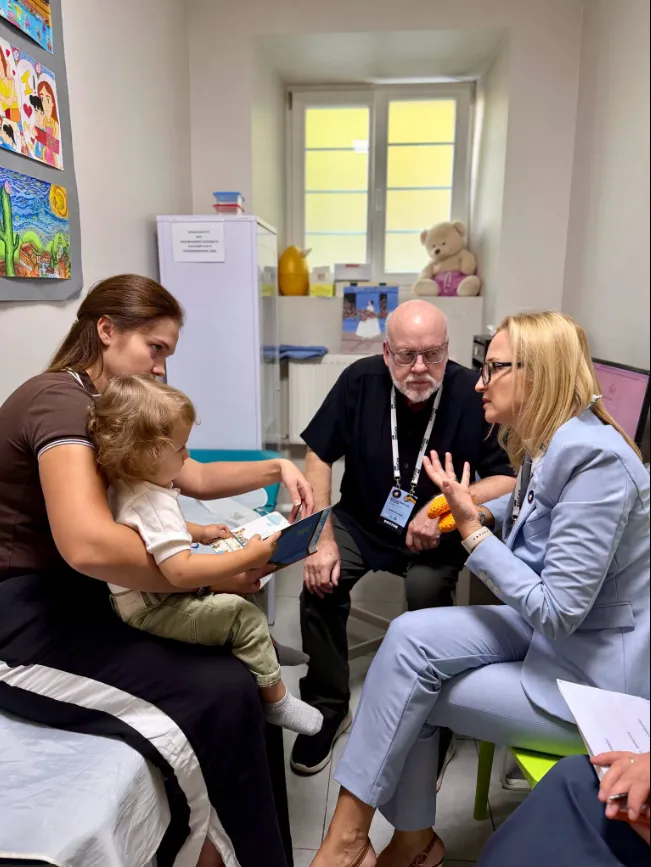
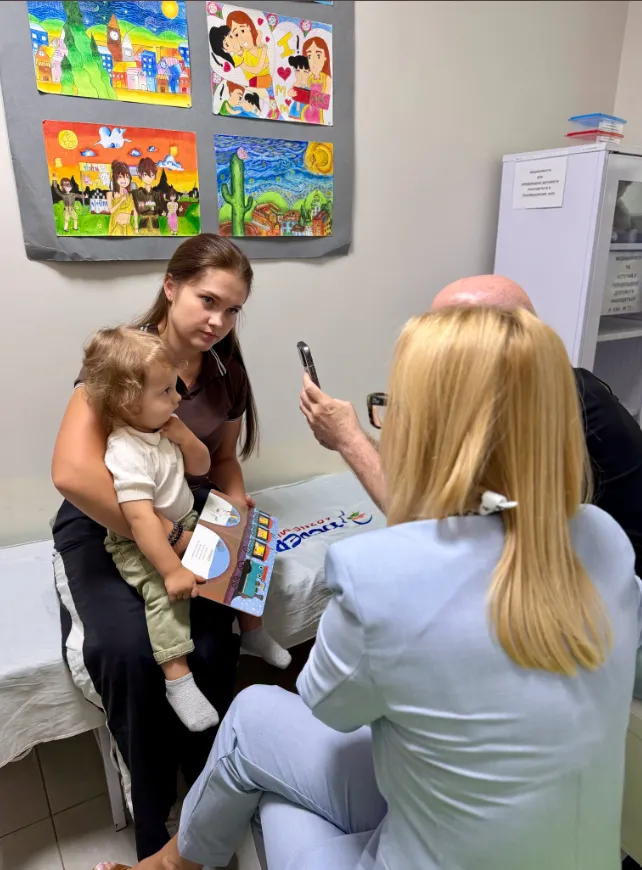
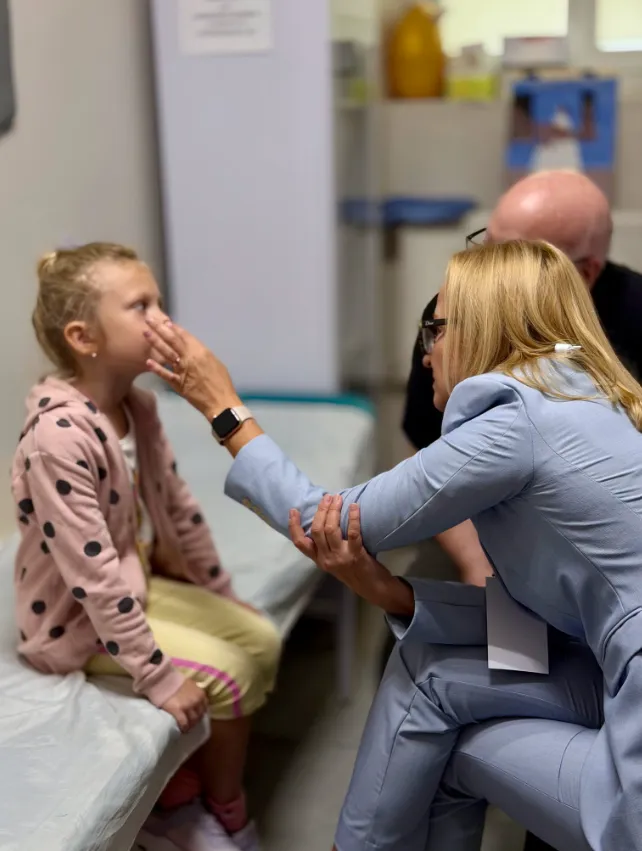
The 13th reconstructive mission by American and Ukrainian surgeons has concluded at the Center for Pediatric Medicine in Lviv. As part of this latest Reconstruction Mission, doctors conducted 45 consultations and performed surgeries on 13 children with complex congenital and acquired facial defects, as well as complications from severe injuries.
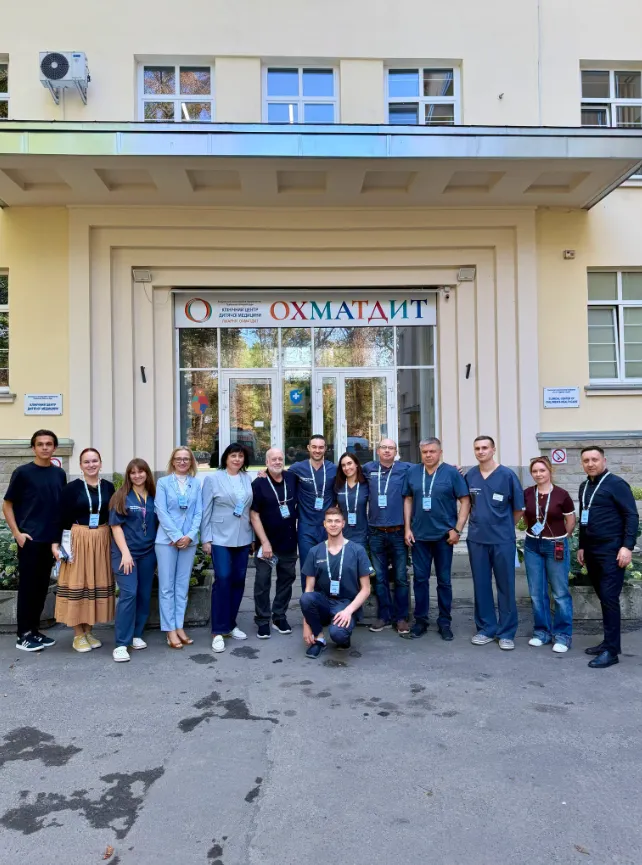
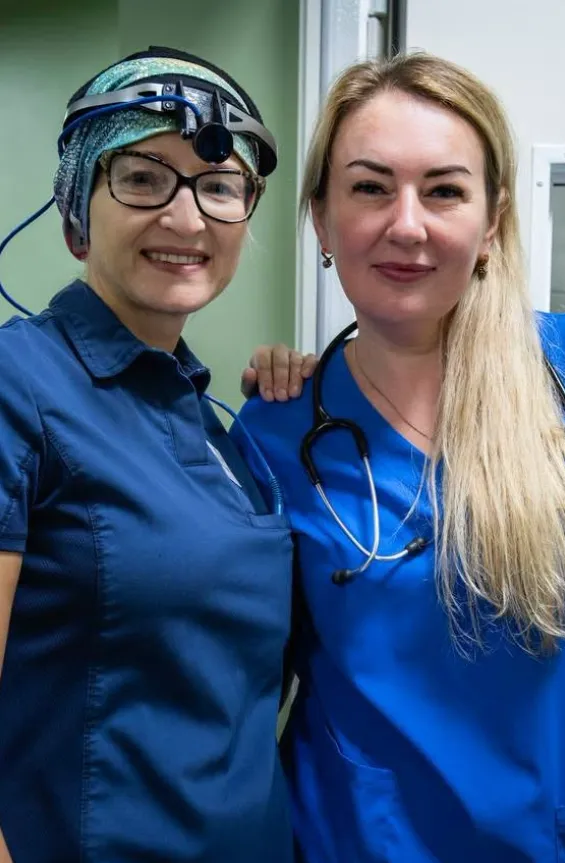
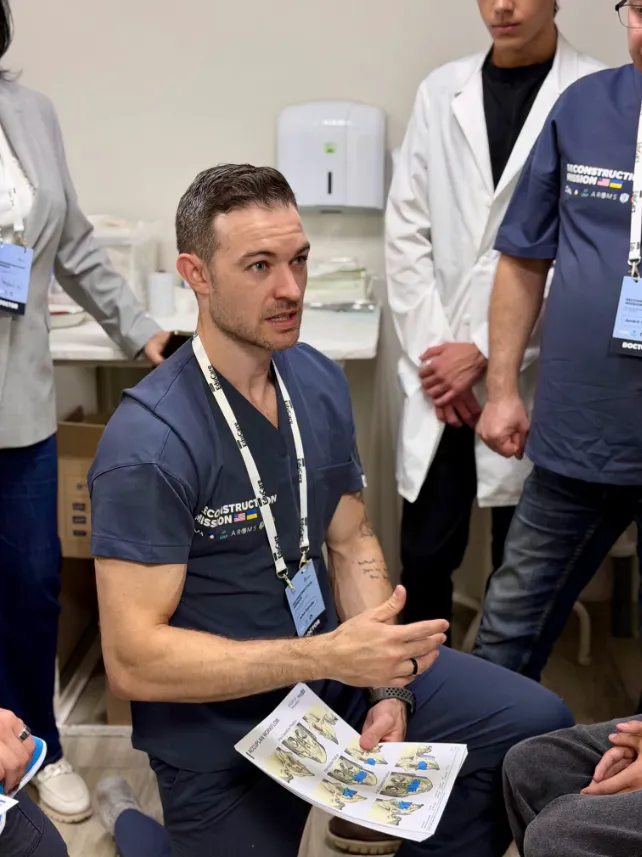
At Okhmatdyt Hospital, a Ukrainian multidisciplinary team worked alongside leading American specialists—craniofacial surgeon John Sands and head and neck plastic surgeon John Frode.
The team included maxillofacial surgeons, anesthesiologists, and operating room nurses.
The mission’s patients were children from various regions of Ukraine, including the Kherson, Zaporizhzhia, Odesa, Khmelnytskyi, Rivne, and Volyn regions.
The medical team helped the children restore their ability to breathe, eat normally, and regain facial function and anatomy, as well as overcome the effects of severe injuries.
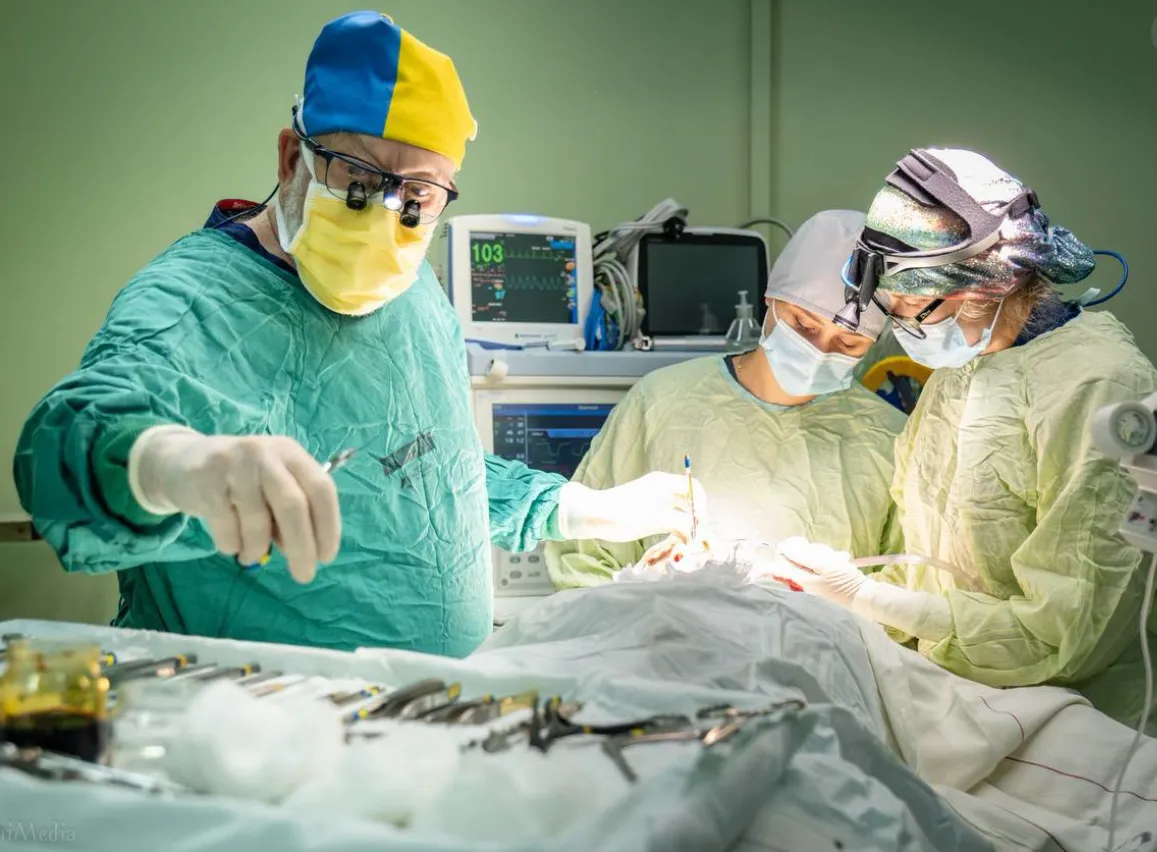
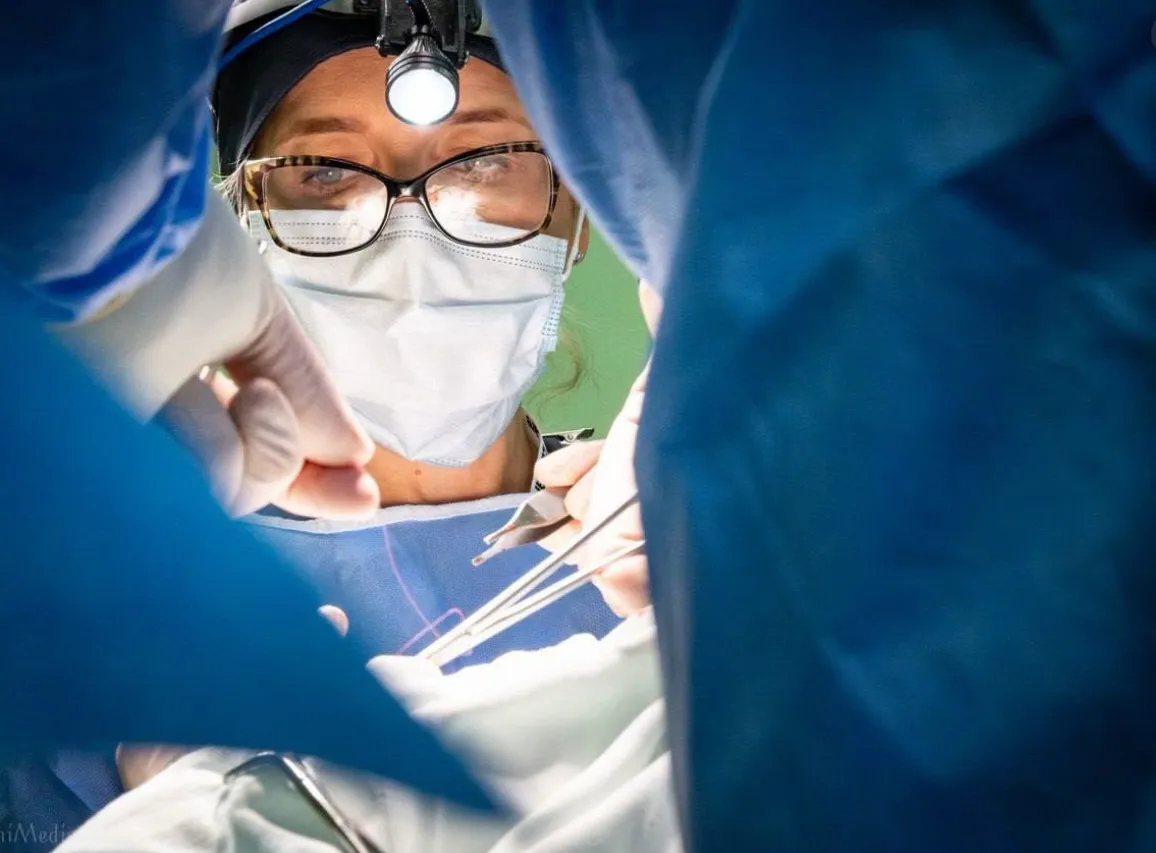
During the mission, the doctors performed 13 plastic and reconstructive surgeries, three of which were extremely complex.
Maxillofacial surgeon Khrystyna Pohranychna described the specifics of their work.
“Of the 13 plastic and reconstructive surgeries, three were extremely complex. These were patients with complex, rare syndromes—Goldenhar and Pierre Robin—who had severe deformities of the facial skeleton and were missing joints or bones,” emphasized Khrystyna Pohranychna.
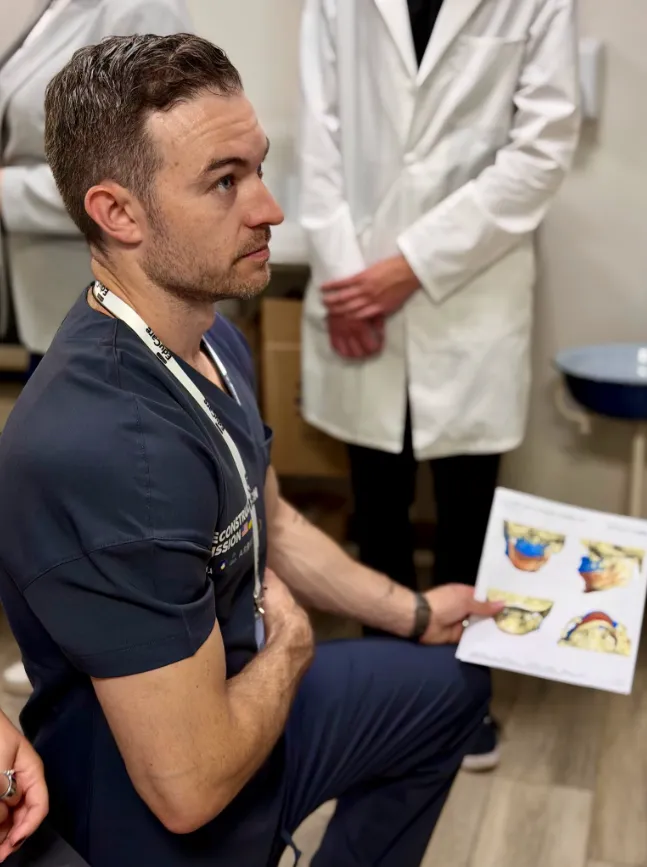
In one of the most complex cases, the doctors performed 3D computer modeling in advance and fabricated custom titanium plates for the patient.
During the surgery, the child’s own rib was used as a graft to reconstruct the lower jaw. The medical team also performed an osteotomy and contouring surgery using the patient’s own soft tissues. This restored the anatomical symmetry and function of the face.
During the mission, surgeons also performed a series of functional and static rhinoseptoplasties for children with cleft lip and palate.
These patients had significantly impaired anatomy and breathing. In addition, the medical team performed a total reconstruction of a child’s facial skeleton following a severe traffic accident.
Thus, during the mission, the specialists focused not only on the patients’ appearance but, above all, on restoring their vital functions and quality of life.
This mission was the 13th Reconstruction Mission in Lviv.
The program has been running since 2023. During this time, the Center for Pediatric Medicine has conducted over 1,195 consultations, performed 277 surgeries, and installed more than 30 custom implants as part of these reconstructive missions.
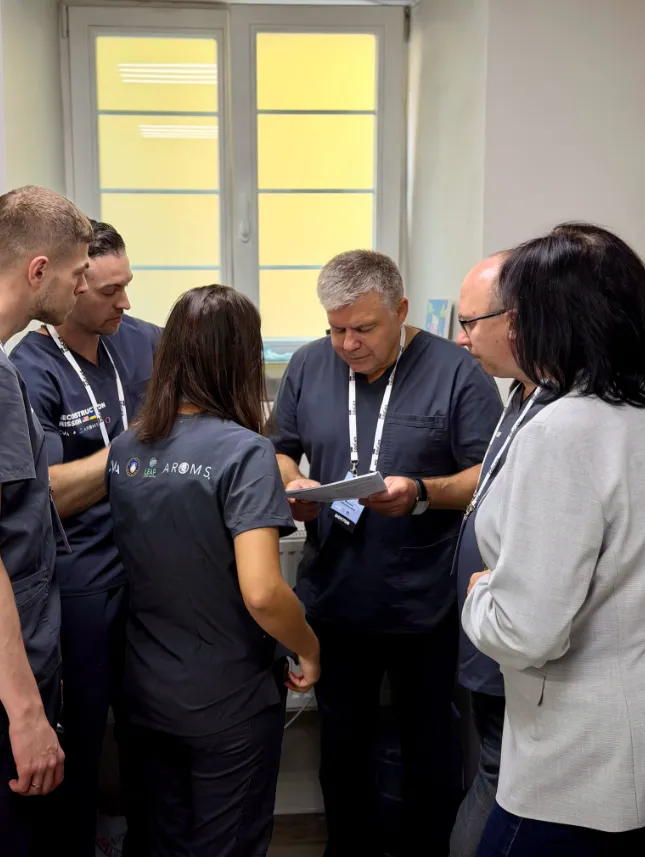
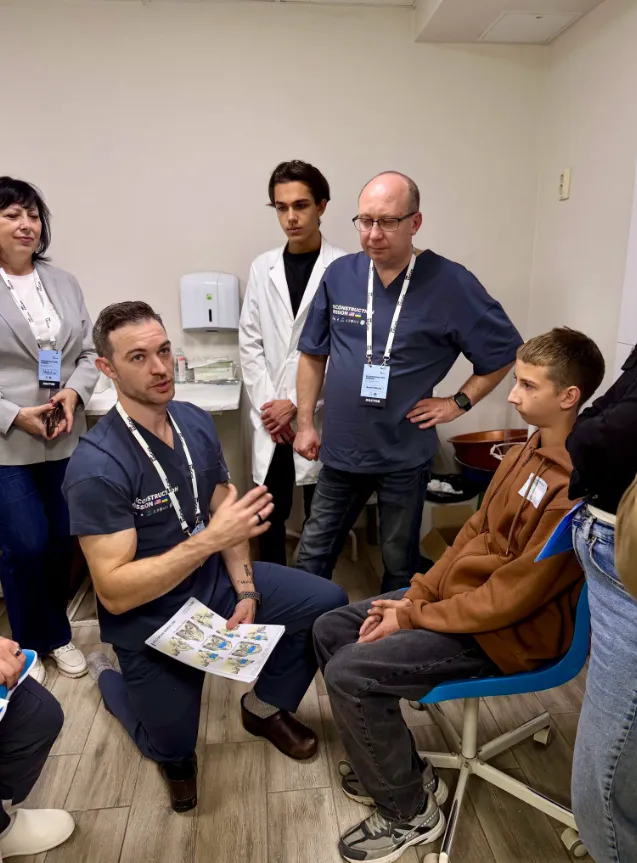
Over the years of collaboration, the model for conducting the missions has also evolved. American specialists work alongside Ukrainian doctors at every stage of treatment—from initial consultations and 3D planning to direct collaboration in the operating room.
This allows Ukrainian medical professionals not only to receive assistance with complex cases but also to exchange expertise and advance the field of reconstructive surgery in Ukraine.
The model of long-term collaboration, which began to take shape in Lviv in 2023, is set to be scaled up to other regions of Ukraine.
The organizers intend to roughly triple the scale of the reconstructive missions and gradually expand their geographic reach—from two to six regions of the country.
Following the current mission, detailed examination and treatment plans were developed for all new patients. The most complex cases have already been scheduled for the next Reconstruction Mission, which is set to take place in the spring of 2027.
The Reconstruction Mission is initiated and organized by the Christian Medical Association of Ukraine in partnership with LEAP Global Missions, AROMS, and Ed’s Friends.
Edward Ma is also involved in the program.
The joint efforts of American and Ukrainian medical professionals are aimed at helping children with severe congenital defects, the effects of trauma, and complex facial deformities regain lost functions, improve their quality of life, and gain access to modern reconstructive care.
This was reported by the Center for Pediatric Medicine at Okhmatdyt Hospital.




