
10 missiles from Germany won't solve Ukraine's air defense problem
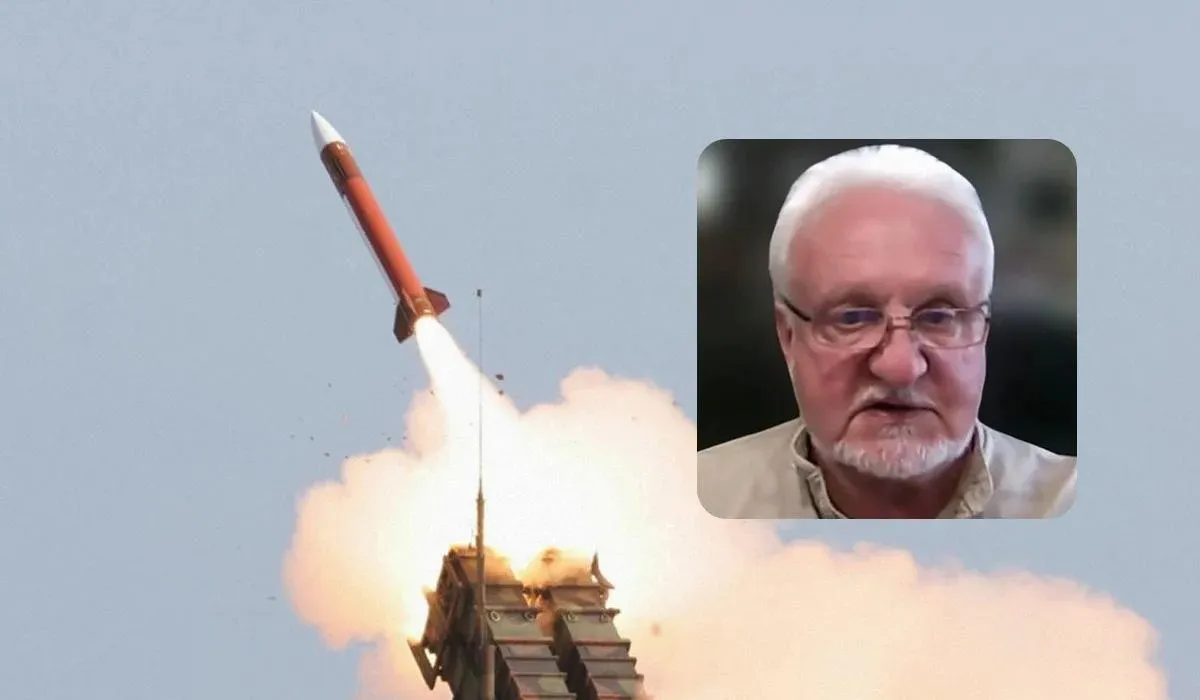
Ukraine currently faces a significant shortage of air defense missiles, as well as ammunition for fighter aircraft. Aviation expert Kostyantyn Kryvolap stated that the transfer of 10 missiles from Bundeswehr stockpiles will not solve the problem but will only partially replenish reserves.
Ukraine is facing a shortage of missiles for its air defense systems. According to aviation expert Kostyantyn Kryvolap, the shortage affects not only ammunition for countering ballistic missiles but also weapons for destroying conventional air targets. Kryvolap also commented on the transfer of 10 missiles from Bundeswehr stockpiles to Ukraine. The expert believes that this quantity cannot significantly alter the situation with Ukraine’s air defense stockpiles. “We currently have a major shortage of missiles—not only for shooting down ballistic weapons but also for shooting down conventional aerodynamic targets,” he stated.
According to Kryvolap, the problem has become particularly acute due to Russia’s active use of “Shahed” drones. Ukraine does not yet have a sufficient number of its own interceptor missiles, so it has to deploy fighter jets to combat some of these targets.
Fighter jets also expend missiles
The expert noted that fighter jets use air-to-air missiles, specifically the AIM-9 and AIM-120. These munitions are essential for the Ukrainian Air Force’s operations, but due to constant attacks, their stockpiles are also being depleted rapidly. “As long as we’re fighting jet-powered ‘Shaheds’ there without our own jet interceptors, 80% are shot down by fighter jets. And that means we’re using up AIM-9 and AIM-120 missiles when we have nothing else left to shoot with,” Kryvolap said.
According to him, Ukraine has already used up a significant portion of its missile stockpiles. Therefore, the problem concerns several types of munitions at once. “We’ve used up a great deal of our stockpiles. That’s why we’re now facing a complete shortage of all these missiles,” the expert added.
What Missiles Does the Patriot System Use?
Separately, Kryvolap explained the difference between the missiles used by the American Patriot systems. According to him, there are several versions of PAC-3 munitions, and they differ in their capabilities when engaging ballistic targets. The expert mentioned the PAC-3 CRI and PAC-3 MSE missiles.
He estimates that the probability of a PAC-3 CRI missile hitting a ballistic target is about 70%. To increase the probability of a successful interception to over 80%, it may be necessary to launch two such missiles. “There’s the PAC-3 CRI; it also shoots them down, but its probability is around 0.7. To achieve a probability of over 80%, you need to launch two such missiles,” Kryvolap explained.
At the same time, the PAC-3 MSE missile is a newer version. Kryvolap called it the most powerful and effective of these options. According to him, the PAC-3 MSE’s probability of intercepting a ballistic missile exceeds 80%. Ukraine also already has experience destroying ballistic targets with a single such missile. “As for the PAC-3 MSE—this most powerful and effective version—it has a success rate of over 80%. And we’ve already learned how to use a single missile of this type to shoot down a ballistic missile flying toward us. That’s a significant achievement,” the expert said.
How the PAC-2 Differs
Another type of missile for the Patriot system is the PAC-2. According to Kryvolap, this is an older version of the munition that operates on a different principle. The expert estimates the probability of destroying a ballistic target with the PAC-2 at approximately 40%. The main difference lies in the method of engaging the target. The PAC-3 CRI and PAC-3 MSE use the principle of direct kinetic interception. That is, the missile must strike the target directly.
“The PAC-3 MSE and PAC-3 CRI are missiles that use kinetic interception. That is, it’s a direct hit; they have a very precise homing head that activates at 20–25 km and allows the missile to hit the target with absolute precision,” Kryvolap explained. The PAC-2 operates differently. A debris cloud forms near the target, which is intended to damage or destroy the ballistic missile. “With the PAC-2, a debris cloud is created, and it’s believed that this debris cloud can destroy the ballistic missile. But the effectiveness, as I said, is about 40 percent,” the expert noted.
Thus, according to Kryvolap’s assessment, Ukraine currently needs not only individual missile deliveries but also a steady replenishment of stockpiles of various types of ammunition. This applies to both the Patriot systems and other air defense systems, as well as missiles for fighter aircraft. At the same time, the cited effectiveness figures and estimates of the shortage represent the expert’s opinion, as expressed by him on the air. He made these remarks during an appearance on “Fabrika Novyn.”
Russian troops attacked the Zaporizhzhia region 928 times over the past 24 hours. As a result of the strikes on the Zaporizhzhia district, one person was killed and three others were wounded. Fifty-five settlements in the region came under fire.
Russian forces attacked a monastery in the village of Chervonyi Mayak, in the Novorayska community of the Kherson region, using a drone. A 71-year-old priest was killed in the strike, and four other priests were wounded.
A 71-year-old clergyman was killed in the attack on the monastery in Chervonyi Mayak. Four other priests were injured. Information about their condition may be updated.




