
The Head of the Main Intelligence Directorate Outlined Russia's Main Goals for the Winter
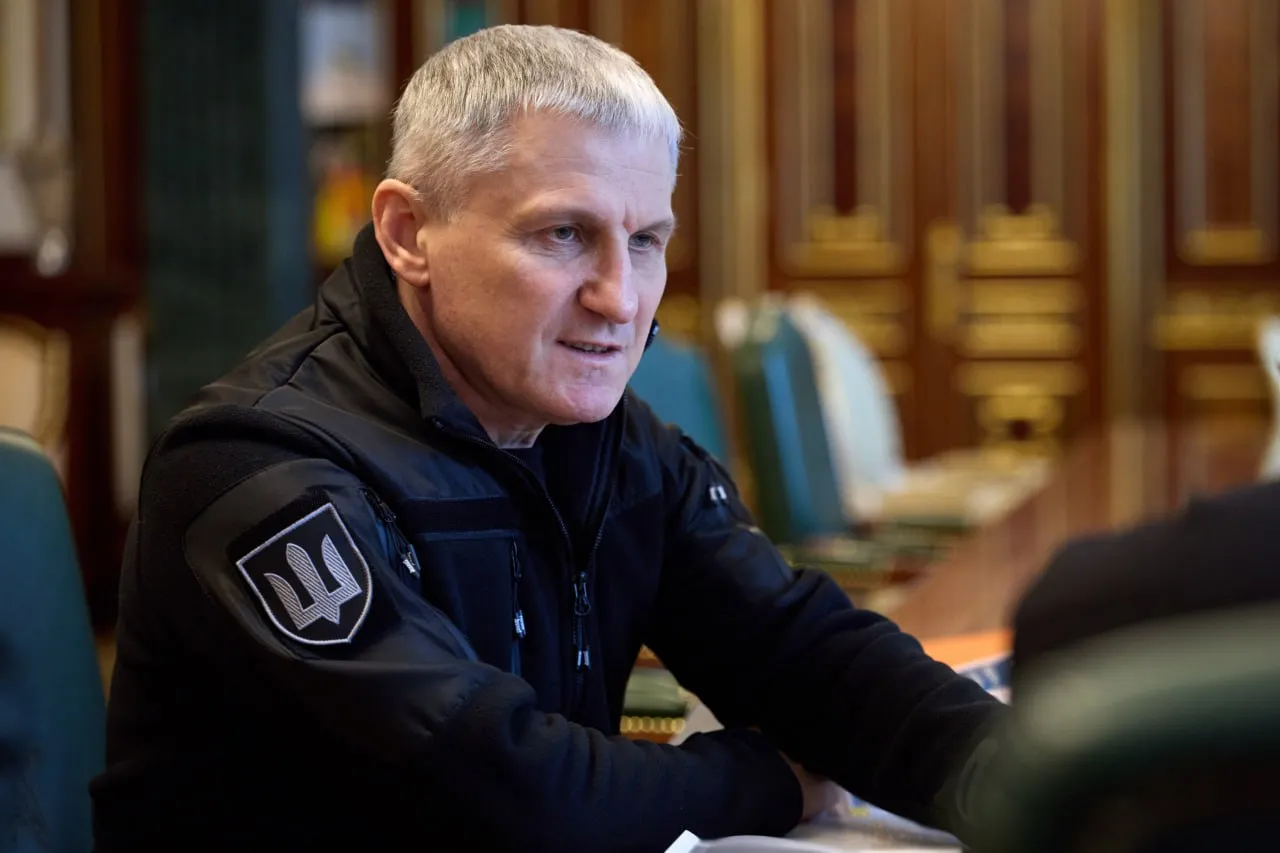
Russia is preparing combined strikes against Ukraine’s energy sector this fall and winter. According to the head of the Main Intelligence Directorate, the enemy may use ballistic and cruise missiles, “Shahed” drones, and new loitering munitions to attack energy and heating facilities.
The head of the Main Intelligence Directorate said he cannot reassure Ukrainians and must speak objectively. Intelligence knows which facilities the enemy plans to strike, with what weapons, and approximately when.
“I cannot give you good news, nor can I mislead people. As the head of intelligence, I must speak objectively. People need to understand this, and our country must prepare for it,” said Oleg Ivashchenko.
According to him, Russia’s main objective is to reduce Ukraine’s military potential and its strike capabilities. The enemy is targeting ammunition depots and attempting to destroy defense-related industrial facilities.
The closer winter gets, the more frequently energy facilities and thermal power plants—on which the survival of cities and villages depends—will become targets.
Intelligence reports a significant increase in the proportion of “Shahed” drones in Russian attacks—their number may reach 120, 300, or even 500 per day. At the same time, the enemy is deploying ballistic and cruise missiles as well as drones.
Separately, new loitering munitions are appearing—something between a jet-powered drone and a cruise missile. They can reach speeds of 500–700 kilometers per hour and be launched from airborne or ground-based platforms.
Features of the new weapon:
— high accuracy thanks to artificial intelligence and machine vision;
— launch from both the air and the ground;
— the warhead mass of the “Banderole” and “Dan-T” munitions exceeds 130 kilograms—several times greater than that of “Shahed” or “Geran”-type drones (50–90 kilograms);
— greater autonomy and less reliance on external control, making them harder to counter.
According to Ivashchenko, ballistic missiles—such as the “Iskander” and “Zircon”—remain among the most difficult types of targets to intercept. Countering them requires powerful anti-missile capabilities and a sufficient number of missiles.
Russia simultaneously employs ballistic missiles, cruise missiles, “Shahed” rockets, and loitering munitions, so the air defense system must address several challenges at once.
“The enemy adapts. And our task is to adapt faster,” emphasized the head of the Main Intelligence Directorate.
He added that intelligence works in direct contact with the Air Force: it transmits information about threats, and the Air Force prepares to shoot down air attack vehicles.
Securing a sufficient number of PAC-3 missiles for the Patriot systems to defend against ballistic missiles remains a separate challenge. According to Ivashchenko, Ukrainian President Volodymyr Zelenskyy, the Office of the President, diplomats, and intelligence agencies are working on this issue.
Source: Ukrinform
The Ministry of Defense has specified who is eligible for a deferral from mobilization in 2026.
As a reminder, the Ministry of Defense of Ukraine, together with the “State Logistics Operator,” is preparing to update the technical specifications for individual ration packs. The changes are based on the results of a survey conducted via the “Army+” app, in which more than 60,000 military personnel participated.
For the first time, the Ministry of Defense of Ukraine has included halal and kosher dry rations in daily field rations. This decision was made with consideration for the religious beliefs of service members and to improve nutritional standards in the Armed Forces.




