
An oil slick from Tuapse is drifting toward Putin's palace in Gelendzhik
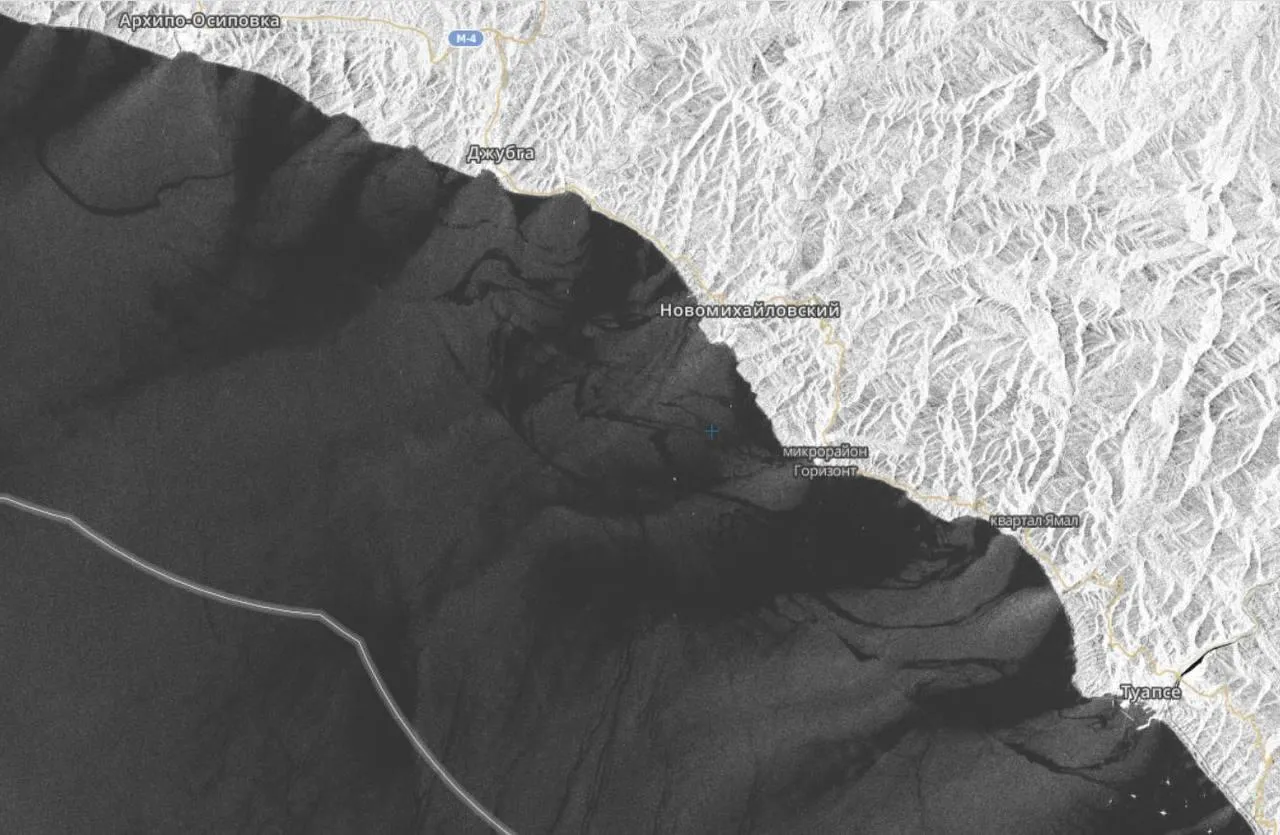
The oil spill caused by the drone attack on Rosneft’s marine terminal in Tuapse continues to spread rapidly northward across the Black Sea. According to the latest satellite images, the edge of the oil slick has been detected 30 km from Putin’s residence at Cape Idokopas in Gelendzhik.
Monitoring projects and the publication “Agency” are reporting on the threat of an environmental disaster in the Gelendzhik area.
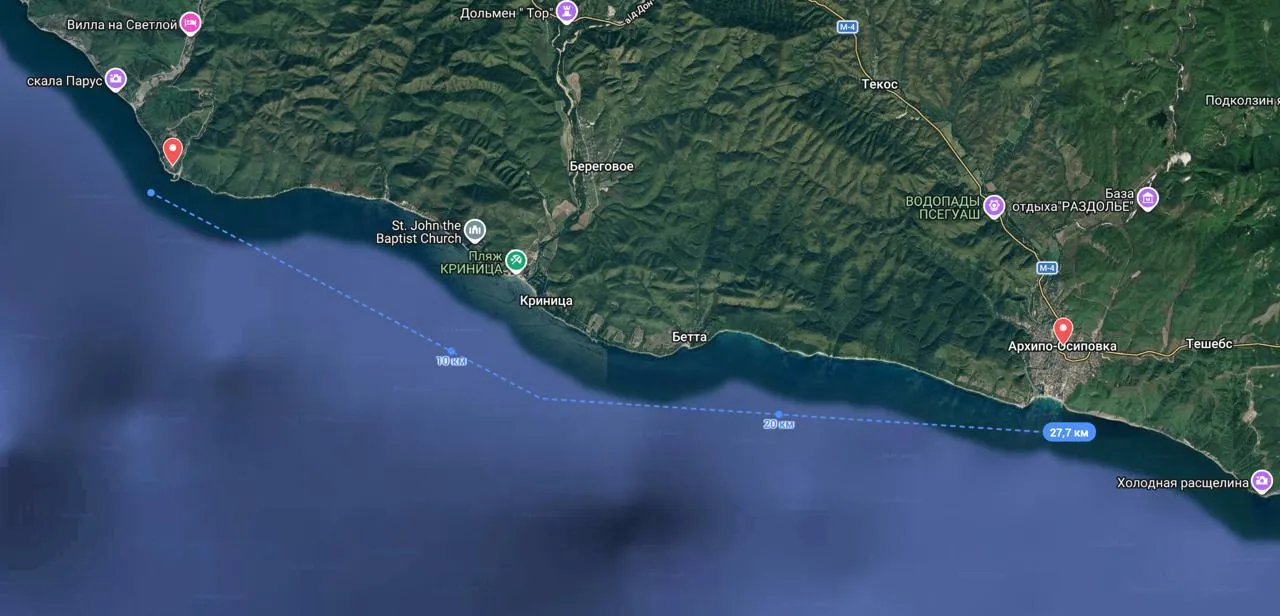
According to the “Transparent World” project, the pollution has advanced 50 km from Tuapse in recent days. As of Sunday, an oil slick was spotted near the village of Arkhipo-Yosypivka, which is part of Gelendzhik. For comparison: as recently as April 25, the northern edge of the slick was near the village of Novomikhailovsky, indicating the rapid northward drift of the oil products along the coast of Krasnodar Krai.
Environmental experts, analyzing satellite imagery and on-site video footage, note that the spill consists of oil mixed with other petroleum products. The prolonged fire at the terminal and the significant volume of the spill pose a serious threat to the region’s marine ecosystem. Despite the occupying authorities’ attempts to contain the damage, the oil slick continues to move toward elite resort areas, highlighting the vulnerability of Russia’s critical infrastructure to precision strikes. The situation remains tense, as weather conditions are contributing to the further spread of the pollution to the northwest.
A toxiccloud from the fire in Tuapse has reached Anapa.
Tuapse in flames: how strikes on the port are destroying the Kremlin’s oil exports.
Residents of Tuapse, Russia, are increasingly complaining about the unbearable living conditions in the frontline city. The once-popular resort has turned into an area of environmental disaster and constant danger due to regular explosions at local industrial facilities.
In Tuapse, Russia, the city beach was covered with a new layer of pebbles while cleaning up the aftermath of an oil spill. At the same time, local residents and environmentalists claim that traces of fuel oil are still visible near the water and that a full cleanup has not taken place.




