
Deception of Recruits and Torture: How the "Yastrub" PMC's Shadow Operation Worked
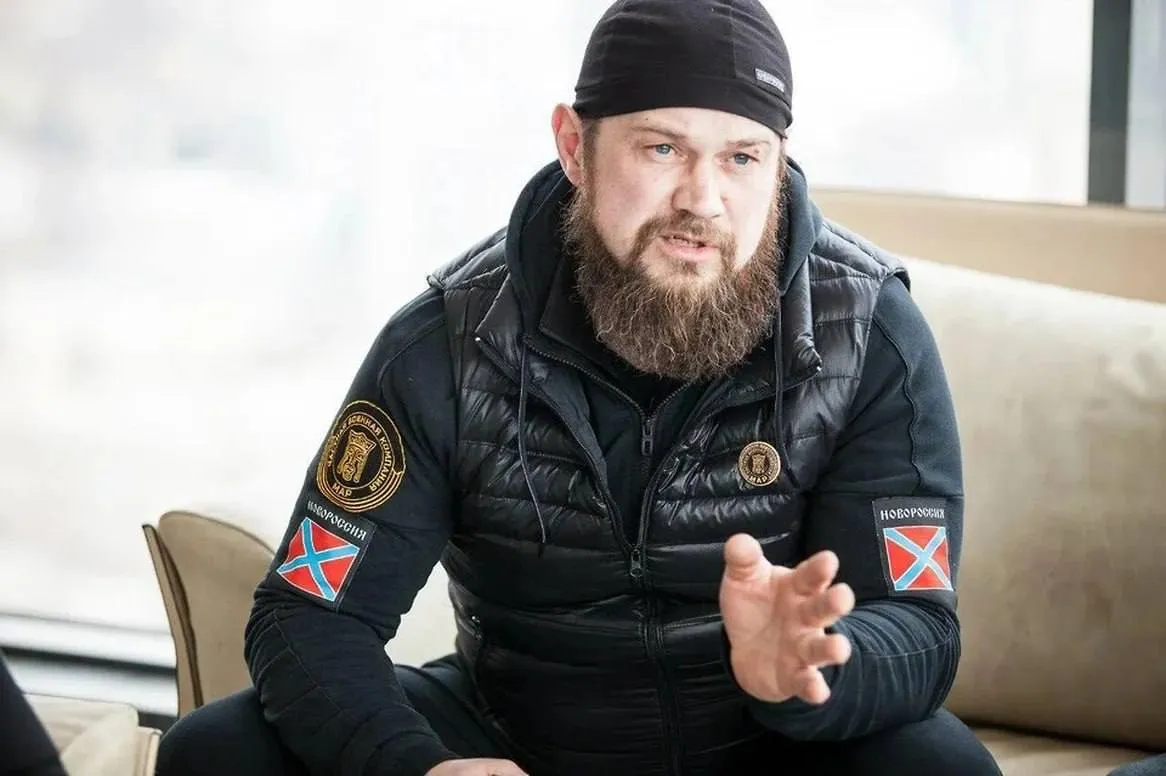
In Russia, a high-profile criminal case is underway against Alexei Marushchenko, the head of the private military company “Yastrub,” who, according to investigators, established a system of fraud, violence, and kidnapping. The case involves dozens of victims, millions of rubles in illegal payments, and instances of torture lasting several days.
Investigators have determined that the organization, which formally positioned itself as a military company, actually operated as a closed group with elements of a criminal organization.
According to Russian investigative materials cited by *Kommersant*, the head of the “Yastrub” PMC, Alexei Marushchenko—known by the call sign “Doctor”—along with his accomplices, defrauded at least 90 people who were trying to enlist. People were promised service in a private military company with favorable conditions, but in the end, they were sent to the front lines as ordinary assault troops.
Investigators claim that Marushchenko had supported the idea of seizing Ukrainian territories since 2014, and in 2018 he officially registered his organization as a legal entity under the name “Yastrub PMC.” After the full-scale war began, he, in his own words, collaborated with the Russian Ministry of Defense in the occupied territories of the Kharkiv, Belgorod, and Kursk regions.
The Recruitment Scheme and Payment for Service
Investigators describe how, during recruitment at military commissariats, participants in the scheme persuaded new recruits to sign documents, assuring them that their actual service would take place not in the army but in the “Yastrub” PMC. For these “services,” they charged each contract soldier between 30,000 and 200,000 rubles.
In total, according to the investigation, more than 8.8 million rubles were embezzled in this manner. In one case, a soldier paid about 1.25 million rubles to avoid being sent to the front lines.
The case files note that people were effectively deceived by exploiting their desire to avoid the front lines or secure better service conditions.
Abductions, Beatings, and Torture
A separate section of the case concerns violence within the organization. According to the investigation, Marushchenko and his associates resorted to abductions, beatings, and torture against soldiers who questioned his authority or refused to follow orders.
The first documented victim was a sergeant from a temporary communications post in the Belgorod region. He was allegedly abducted, taken to a base in the village of Myasoedovo, chained to a tree, and beaten for several days until he handed over 500,000 rubles.
Another incident involved a group of soldiers who, in August 2024, were forcibly detained, handcuffed, and taken to the same base. There, they were held for four days and subjected to beatings and threats until they agreed to recognize Marushchenko as their commander. One of the soldiers was forced to transfer more than 850,000 rubles.
The Murder of a Soldier and Other Incidents
A separate incident in the case involves the death of soldier Rashid Adzhiev. According to the investigation, he refused to follow Marushchenko’s orders and had a conflict with him. On December 21, 2024, he was taken to a wooded area where, as established by the investigation, he was shot and killed by one of the group’s members.
The investigation is also looking into the illegal trafficking of weapons, including their theft from military units. The case also mentions the complicity of certain police officers who may have facilitated the sale of weapons removed from warehouses.
Status of the Charges
Oleksiy Marushchenko faces several serious charges, including kidnapping, extortion, fraud, illegal trafficking of weapons, abuse of authority with the use of violence, and involvement in murder.
Despite this, the case files indicate that he is allegedly considering signing a contract with the Russian Ministry of Defense and returning to participate in hostilities against Ukraine after the trial. The investigation is ongoing, and the number of incidents and victims continues to be clarified, according to Russian media reports.
The fuel crisis in Russia is intensifying: gasoline is running out at gas stations and lines are growing.
Russia has allowed the use of lower-quality gasoline due to the fuel crisis.


