
Over 500 four-legged heroes serve in the Armed Forces of Ukraine
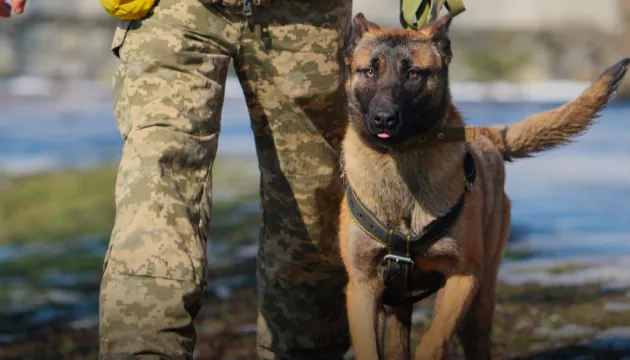
More than 500 service dogs in the Armed Forces of Ukraine carry out missions on the front line every day. They assist in demining areas, patrol critical facilities, and protect military bases, risking their lives alongside their handlers. This was reported by Lieutenant Colonel Maksym Kravchuk, Head of the Communications Department of the Support Forces Command of the Armed Forces of Ukraine.
These dogs can detect explosives even in debris-strewn areas or after adverse weather conditions that make technical equipment less effective. “The effectiveness of service dogs in demining is due to their natural physiological abilities. With their highly developed sense of smell, dogs can detect explosives even in challenging conditions — amid significant terrain contamination, after exposure to weather elements, or when munitions are hidden,” explained Lieutenant Colonel Maksym Kravchuk.
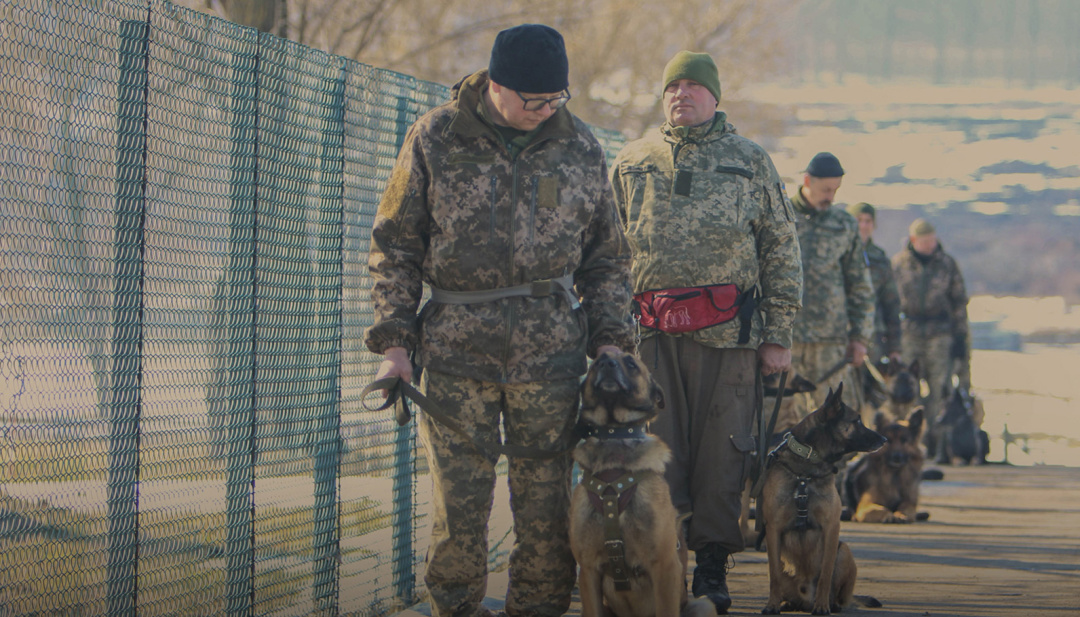
K9 units not only clear mines but also guard strategic sites such as bases, depots, arsenals, and airfields. During the full-scale war, the use of service dogs has expanded significantly: patrol and detection dogs operate with foot patrols and monitor security at airfields and other important facilities.
Thanks to international support, 30 specialized dogs trained in explosive detection in the EU have been transferred to the Armed Forces of Ukraine. In 2025, K9 teams and their four-legged partners inspected nearly 1,850 hectares of territory, 395 facilities, 2,780 square meters of buildings, and over one kilometre of field roads. They discovered 695 explosive devices, including anti-tank mines capable of causing significant casualties.
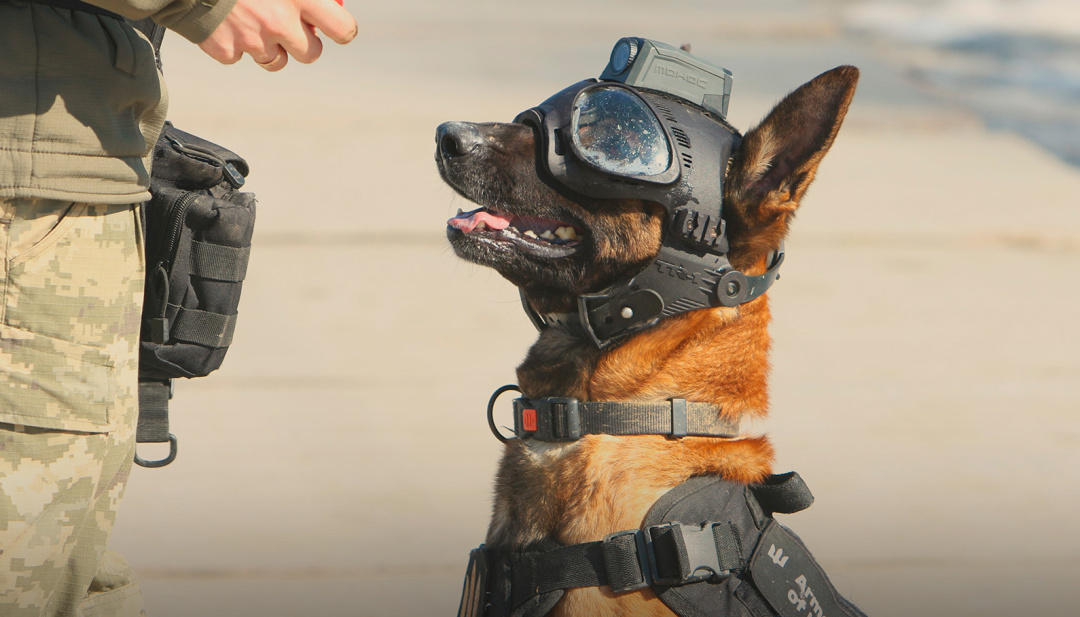
The work of K9 teams has become more dangerous due to the enemy’s active use of FPV drones and remote mining. Cases of injuries to servicemen and service dogs during missions have been recorded.
In the Armed Forces of Ukraine, a service dog is no longer just a supporting element — it is a full participant in combat operations. To protect the animals, specialized gear is used, including protective boots for paws and eyes, tactical harnesses, and vests. This equipment not only preserves the dog’s life but also improves control during demining, patrolling, and guarding tasks.
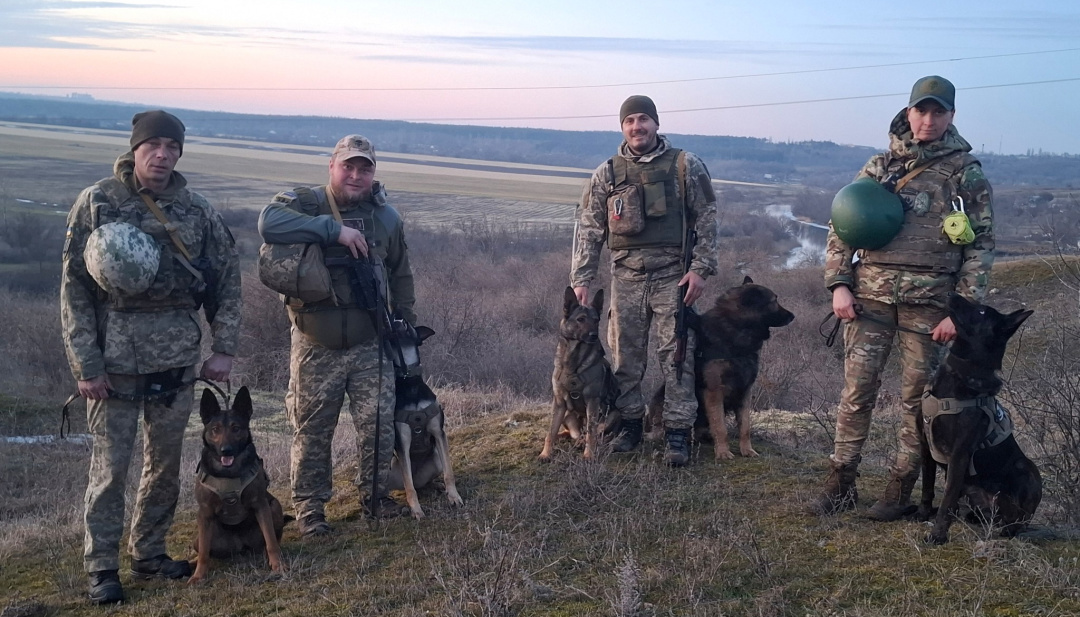
Service dogs operate under the same hazardous conditions as humans, saving lives and helping the Armed Forces of Ukraine perform their missions effectively even in active combat zones.
In other news, civilian casualties in Ukraine increased by 31% in February, according to the UN, and Russia used 40 Lancet drones in a demonstration attack on Kyiv.


