
Russia is approaching the Donbas fortress belt, according to CNN
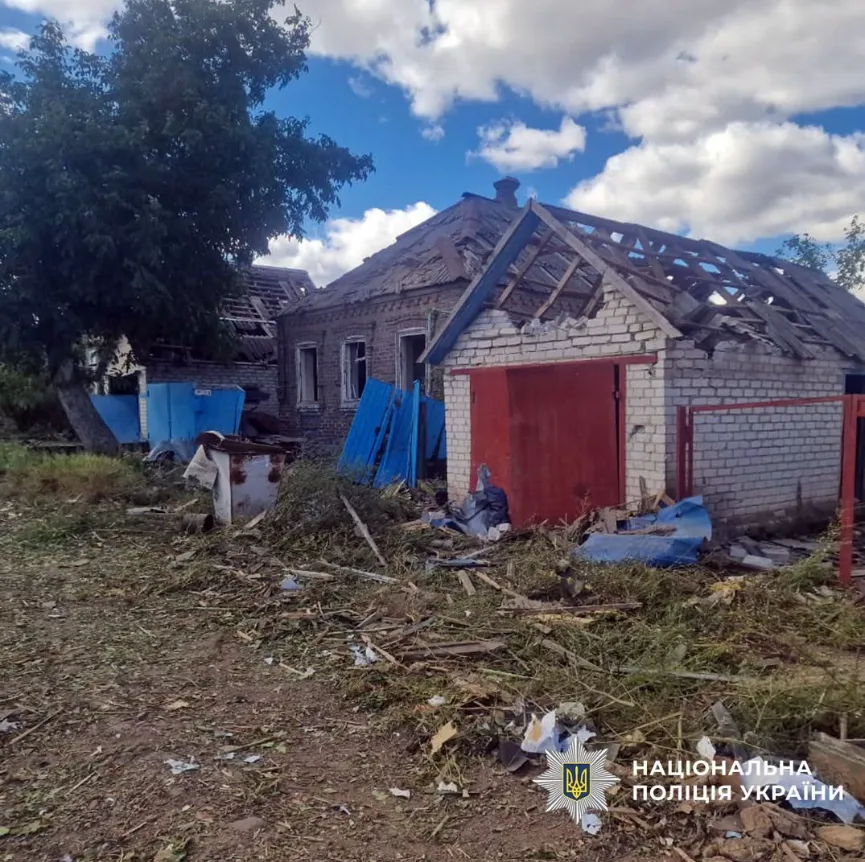
Russian troops continue to advance slowly toward Sloviansk and Kramatorsk in the Donetsk region. These cities, along with Druzhkivka and Kostiantynivka, form the so-called “belt of fortresses”—a key line of Ukrainian defense in the Donbas.
Kramatorsk, which has long served as an important logistical hub for Ukrainian forces, is increasingly coming under Russian attack.
Iryna Rybakova, press secretary for the 93rd Mechanized Brigade, noted that the city is being struck dozens of times a day.
“Attacks occur dozens of times a day. Dozens of vehicles, public utility buildings, residential buildings, administrative buildings, and garages have been damaged. They’re simply setting everything on fire,” she said.
According to Rybakova, the streets of Kramatorsk are nearly deserted in the morning and evening. During the day, residents also try to move around as cautiously as possible due to the constant threat of drone strikes.
“They can strike at any moment,” the military officer noted.
U.S. military analysts believe that a rapid Russian breakthrough is currently unlikely. At the same time, the overall situation is gradually shifting in Moscow’s favor.
Russian troops are conducting infiltration operations and slowly advancing toward Sloviansk, Kramatorsk, and Kostiantynivka.
According to an assessment by the Institute for the Study of War, in August, Russian forces advanced or infiltrated approximately 124 square kilometers of Ukrainian territory. This represents about a quarter of the area that Russia captured during the same month a year earlier.
Despite the relatively slow pace, Moscow is gradually posing a threat to the Ukrainian defensive line in the Donbas.
Kostiantynivka, which is the southernmost link in the “belt of fortresses,” has effectively lost its significance as a strong Ukrainian stronghold. Russian troops have been trying to capture the city for nearly a year, and its infrastructure has suffered extensive damage.
Russia has already employed similar tactics in other cities. The occupiers stormed Bakhmut for about nine months and Pokrovsk for nearly two years. By the time they established control, these cities had been largely destroyed, which significantly reduced their former strategic value.
Military analysts note that Russian forces are attempting not only to advance directly toward Ukrainian positions but also to systematically destroy logistics and defensive infrastructure.
Analysts believe that in this way, Russia is creating the conditions for a further offensive on Sloviansk.
“They are creating conditions and preparing the battlefield for an offensive on Sloviansk,” said Jenny Olmsted, an analyst at the Institute for the Study of War.
Russian strikes are hampering the supply of Ukrainian units on the front lines and in the cities themselves.
The situation near Dobropillya remains particularly difficult. Gennady Yudin, a police officer with the “White Angels” special unit, said that law enforcement officers can no longer drive directly into the city or the surrounding villages to evacuate civilians.
“The military is evacuating people on foot, and our guys are picking them up about 10 kilometers from Dobropillia—that’s as close as we can get,” he said.
According to Yudin, the area is mined, and a large number of Russian drones make movement in the area extremely dangerous.
The current situation in Donetsk Oblast contrasts with the spring, when Ukrainian forces were liberating more territory than they were losing on several fronts.
Now, Russian forces hold the initiative on many sections of the eastern front, although their advance remains slow and is accompanied by significant losses.
According to estimates by Western intelligence agencies, the Russian army may be losing about 40,000 troops per month.
For Ukraine, the key task remains holding the cities of the “belt of fortresses.” Their location, transportation links, and fortifications create a barrier in front of the less-protected territories in western Donetsk Oblast.
If Russia manages to break through this defensive line, its troops could potentially advance more quickly into the heart of Ukrainian territory.
Despite constant attacks, civilians still remain in Kramatorsk. However, the city is increasingly losing its role as a relatively safe rear base.
Rybakova emphasizes the intensity of the Russian attacks:
“There’s shelling here every day. Guided bombs, a powerful barrage—eight at a time.”
According to her, Russian forces recently destroyed the house where she used to live.
“We moved out of there a few months ago, and now it’s completely destroyed,” she said.
Thus, Russian troops continue to slowly pressure Ukrainian defenses in the Donbas, while simultaneously destroying infrastructure and logistics near Sloviansk, Kramatorsk, and Kostiantynivka.
CNN is reporting on the situation in eastern Ukraine, citing Ukrainian military officials and analysts.


