
Russia is sending Shahids straight from the assembly line to the front lines, says an expert
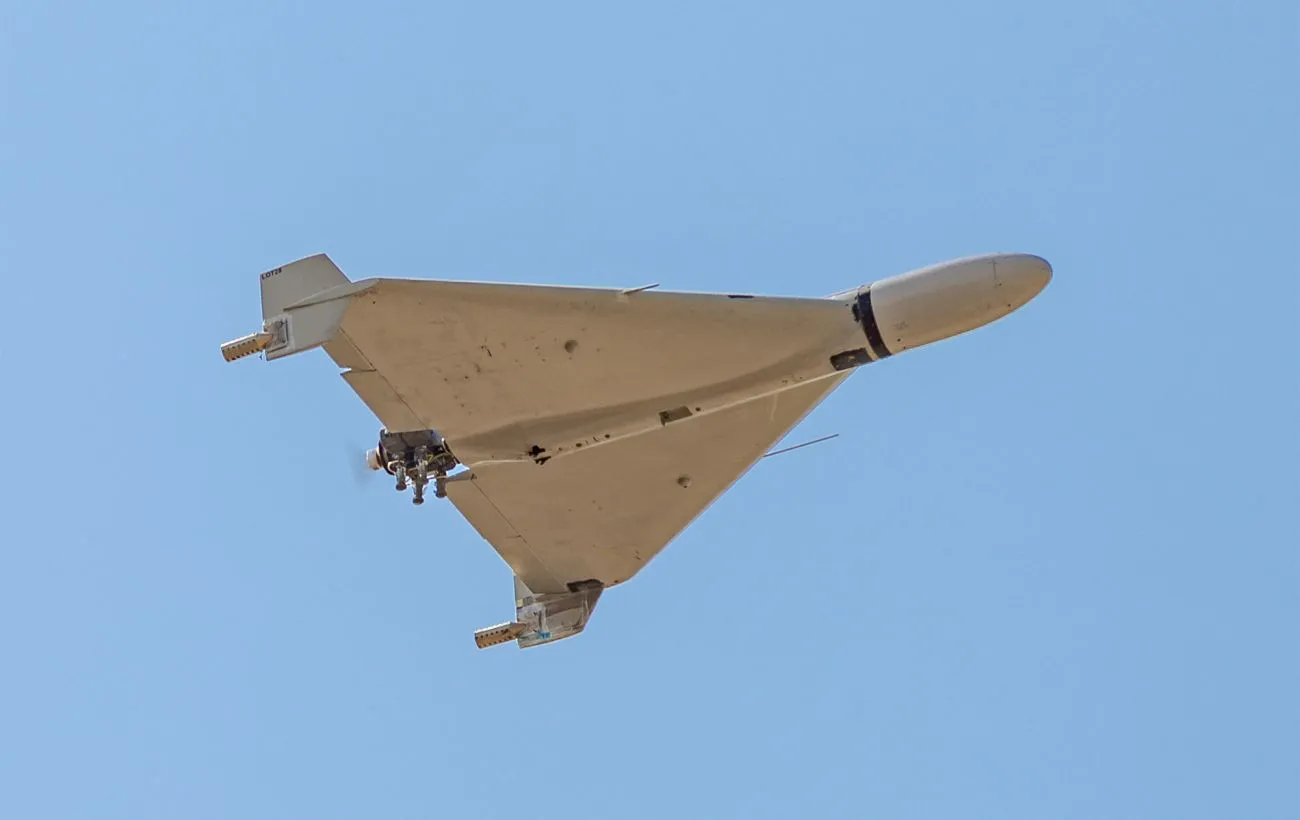
Russia is likely not building up significant stockpiles of attack drones and is deploying them to carry out attacks on Ukraine immediately after production.
According to the expert, the situation with Russian jet-powered “Shaheds” could be changed by the mass production in Ukraine of interceptor drones capable of operating at altitudes of up to 5–6 km.
“The point now is that we will begin mass-producing interceptor drones capable of catching up to these jet-powered ‘Shaheds’ and climbing to altitudes of up to five or six kilometers, where these jet-powered ‘Shaheds’ are flying. And then this situation will come to a halt; then we will be shooting them down en masse, much like we did when the ‘Shaheds’ with internal combustion engines were first deployed,” said Narozhny.
Pavlo Narozhny noted that, in his opinion, an analysis of the wreckage from downed drones may indicate a lack of significant stockpiles of Russian drones.
“Based on an analysis of the debris that reaches us, the production dates of the parts found there indicate that they have no stockpiles of drones and are operating directly off the assembly line. In other words, they’re manufactured and immediately sent into combat,” the expert noted.
According to him, the production of attack drones is carried out, in particular, by Alabuga in Tatarstan, located approximately 1,700 km from Ukraine’s state border.
“Alabuga itself manufactures them; it’s in Tatarstan, about 1,700 kilometers from the state border. They’ve expanded this production; they’re trying to bury the facilities underground,” Narozhny said.
The expert also described a network of launch sites from which the Russian military is firing “Shaheds” at Ukraine.
“There are several large ones and a large number of relatively small ones. Strikes are being carried out against these launch sites. But, unfortunately, when we talk about strikes on launch sites, what’s located there is relatively low-tech equipment,” he said.
According to Narozhny, strikes on such facilities have already affected the work of the personnel involved in launching the drones.
“But even these strikes have already caused panic; many of the Alabuga workers who come for these launches are now refusing to go there, and they are being pressured by every means possible,” the military expert explained.
According to Pavel Narozhny, direct strikes on production facilities could significantly impact Russian drone production; however, it is difficult to target the plants in Alabuga.
“Throughout the entire large-scale invasion, as far as I can recall, there have been three or four strikes, and all of them were relatively weak. Unfortunately, we are unable to strike Alabuga with heavy missiles or a large number of drones,” he noted.
Separately, the expert drew attention to strikes on logistics and drone storage facilities.
“Strikes on logistics are a separate issue. There have been many strikes on storage facilities for these drones. Here’s a striking example: there was a strike in Crimea; a large number of ‘Shaheds’ were stored at an airfield there. They were hit with Storm Shadow missiles, causing a massive explosion and detonation, and since then, that location has no longer been used to launch drones. But, unfortunately, there is currently no other example of such a successful strike,” added Narozhny.
It was previously reported that Russia is trying to protect its drone production facilities, in particular by moving them underground.
Military expert and former employee of the Security Service of Ukraine Ivan Stupak stated that Ukraine is currently unable to completely halt the production of Russian drones.
According to him, following Ukraine’s announcements about developing its own ballistic weapons, the Russian side may have decided to move part of its production underground.
Stupak also explained that special weapons are needed to strike underground targets, not just any ballistic missiles.
This was stated by Pavlo Narozhny, founder of the charitable organization “Reactive Mail” and a military expert, during an appearance on Radio NV.
On September 29, during an air raid alert in Ternopil, the sounds of explosions were heard. Shortly before that, residents had been warned about the movement of a Russian jet-powered drone.
A drone strike in the Kyiv region caused a fire in residential buildings; two people were rescued.
As a reminder, debris from a Russian drone caused a fire in a five-story building in Kyiv.
Following Russia’s nighttime attack on Kyiv, an educational institution was hit.




