
Russia is holding hundreds of Ukrainian women captive: two stories from Russian detention centers
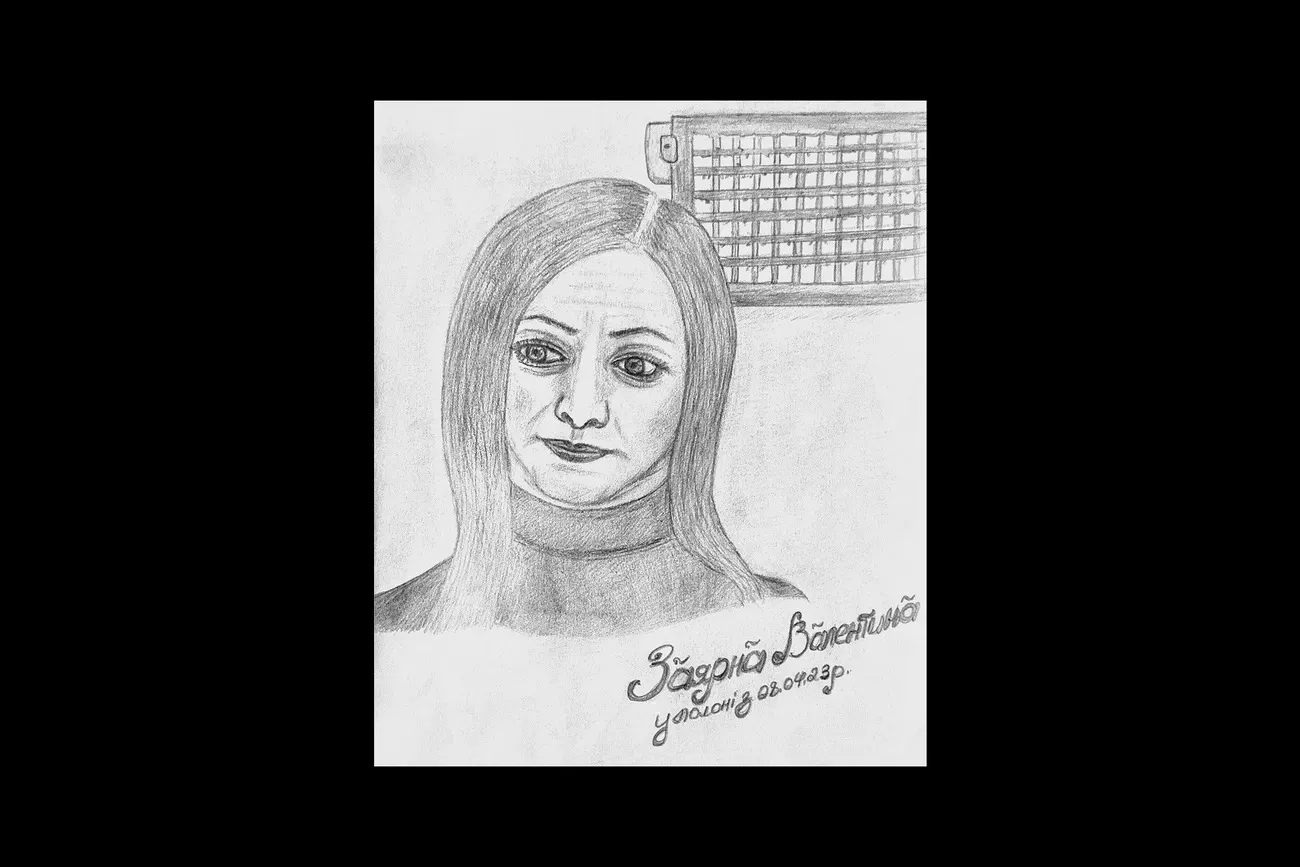
Russia continues to hold at least 223 Ukrainian women who are considered civilian prisoners of war. Many of them have endured torture, received lengthy prison sentences, and have been held in Russian pretrial detention centers for years, while Ukraine and Russia can exchange military prisoners. The stories of Valentina Zayarna and Natalia Vlasova illustrate why Ukrainian civilians have effectively been left out of the prisoner exchange system.
Since 2014, and especially since the start of the full-scale invasion, Russia has captured and is holding at least 1,878 Ukrainian civilians in captivity. These are only the confirmed cases. The actual number of people held in Russian prisons and detention facilities may be significantly higher. Among them are at least 223 women.
As the publication “Meduza” notes, many Ukrainian civilians have endured torture and are living in extremely harsh conditions. However, their return home faces one major obstacle: unlike prisoners of war, civilians are not exchanged under the same procedure. Ukraine insists that Russia had no right whatsoever to detain these people. Kyiv cites the Geneva Conventions and international humanitarian law.
Russia, on the other hand, classifies the detainees as criminals. Ukrainians are accused of terrorism, treason, and other serious crimes, and are then convicted by Russian courts. As a result, people can remain behind bars for years. The New Yorker recently published an in-depth article about Ukrainian women who found themselves in one of the cells at SIZO-1 in Rostov. Journalist Joshua Yaffa spoke with former inmates and wrote letters to the women who remain in Russian prisons to this day.
Among them were both female military personnel and civilians. The military personnel were later exchanged. The civilian women remained behind bars. Here are the stories of two Ukrainian women.
Valentyna Zayarna helped a soldier she considered her son
Valentyna Zayarna is 66 years old. She was an English teacher and lived in Amvrosiivka in the Donetsk region. In 2018, at the “Hnutove” border crossing, she met a Ukrainian border guard. He introduced himself as Dima. The man and woman exchanged phone numbers and stayed in touch over the next few years. In reality, “Dima” was his call sign. His real name was Denys Storozhuk.
After the full-scale invasion began, his unit was redeployed to Mariupol. Storozhuk hid in the Azovstal underground tunnels for about three weeks. He then managed to escape the city. He called Zayarna. By that point, she had already evacuated her son Kostya from Mariupol. Storozhuk asked her to help him leave the city as well. He did not mention that he was a soldier.
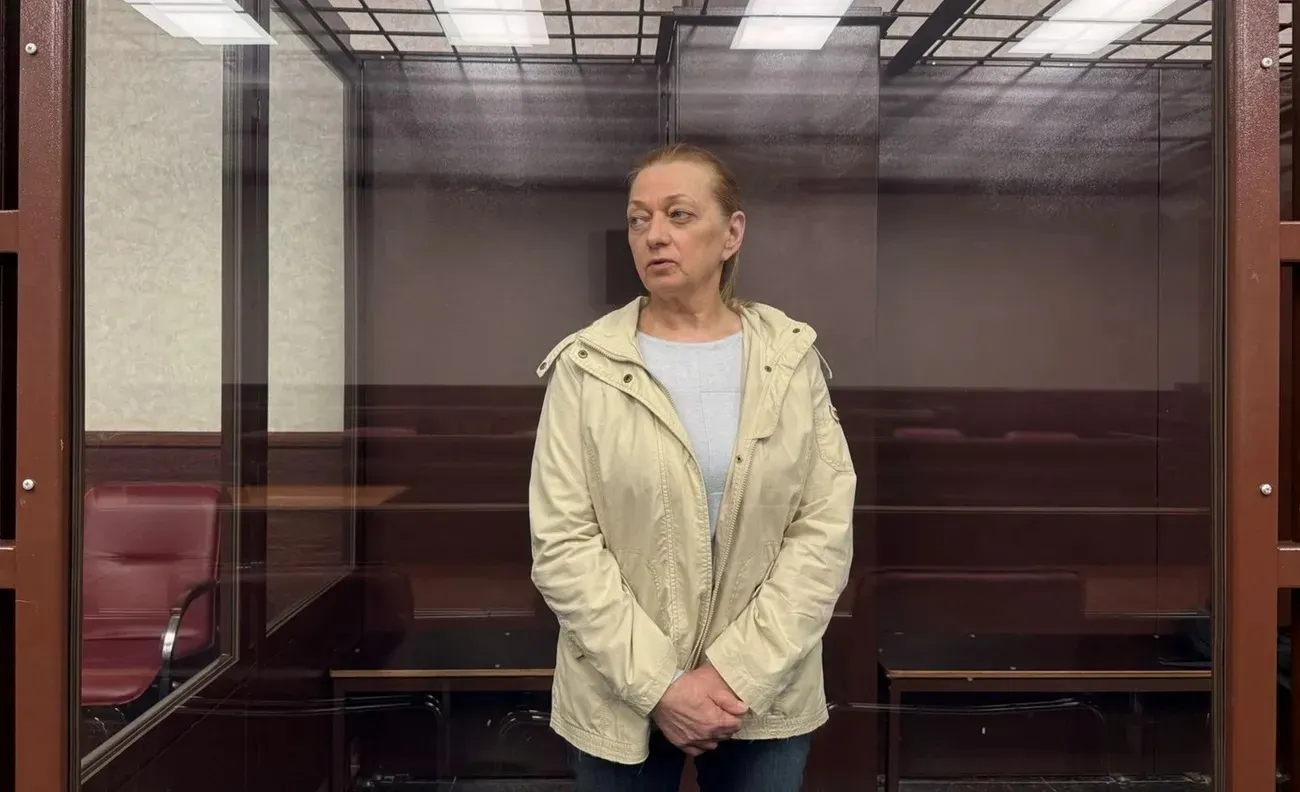
Zayarna agreed. She came to pick him up the next day and drove him from Mariupol to Amvrosiivka. They were lucky at the Russian checkpoints: neither the car nor their documents were checked. Storozhuk lived with Zayarna for almost a year.
The woman, who had lost a child and had once wanted to name her son Dima, saw him as more than just an acquaintance. She considered him part of her family. Later, Storozhuk asked her to pick up a package for him from Donetsk. Inside was a forged passport, which was supposed to help him leave the occupied territory. But Zayarna was detained by the FSB.
It was then that she learned her acquaintance was actually a soldier who had been in contact with his comrades and had been storing weapons and explosives in her home that he had taken from Azovstal. Russian investigators accused Zayarna of helping Storozhuk plot an assassination attempt on one of the deputies of the so-called “DPR.” She was sentenced to 12 years in prison.
Storozhuk himself received a 22-year sentence. But before the trial concluded, in the fall of 2024, he was exchanged. Zayarna remained in a Russian prison. Her cellmates couldn’t understand why she wasn’t angry at Storozhuk. After all, he had hidden the truth from her and had effectively dragged her into this situation. But Zayarna continued to defend her “Dima.”
During the investigation, she signed a confession, and later attempted to take her own life. In a letter to a journalist at *The New Yorker*, she wrote: “The most important thing for me is that my boys are alive and free.” Even in a Russian prison, Zayarna did not stop teaching English. Now her students are other inmates. She describes her time in prison as “a school of survival, a test of humanity and decency.”
Natalia Vlasova has been waiting seven years to return home
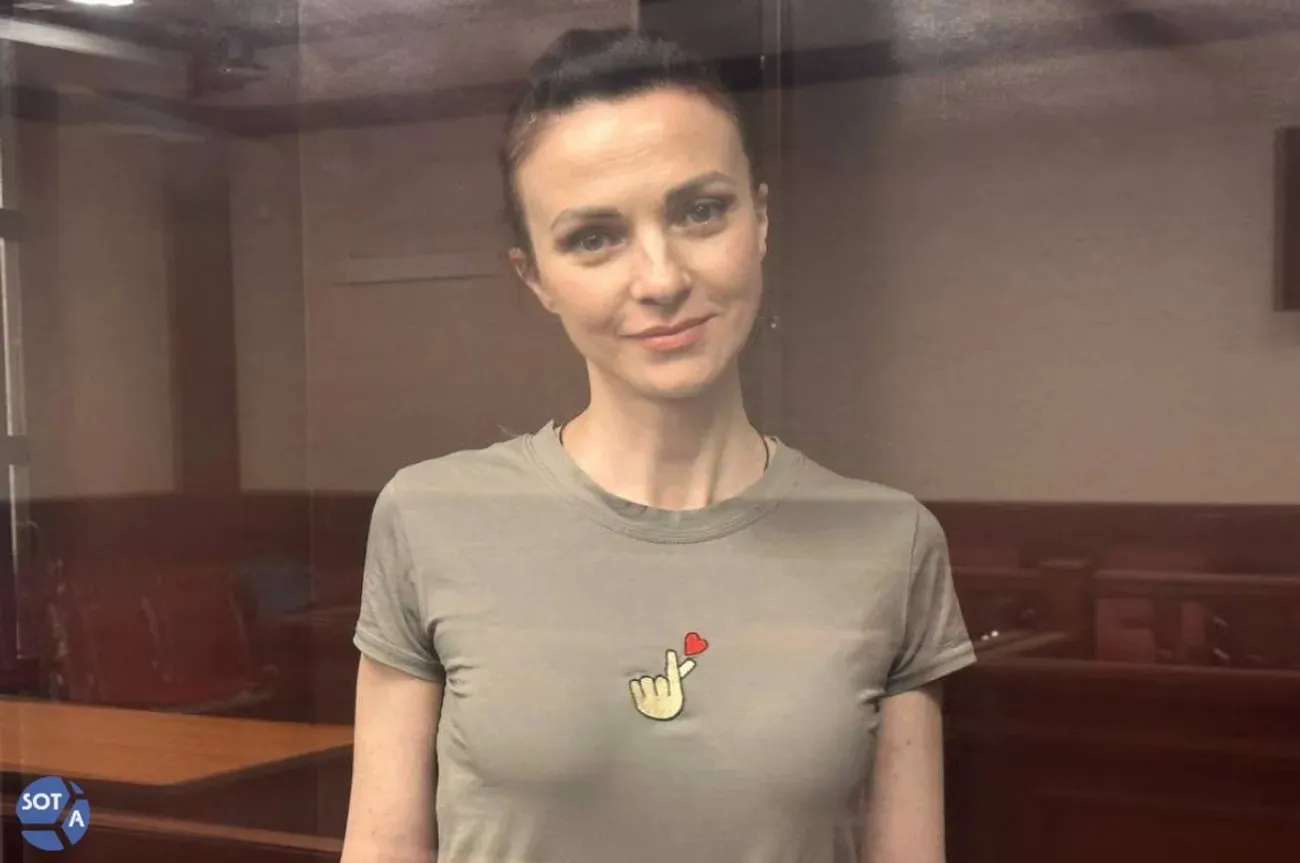
Natalia Vlasova is 44 years old. She has been in prison for over seven years. According to her, it all began in 2018. An acquaintance of hers who worked for the Security Service of Ukraine (SBU) suggested she travel to Donetsk to stand in for a man named Sergei Gruzinov at a chandelier store.
Vlasova agreed. In exchange, she was promised help with her criminal case involving drug possession. Later, she traveled to Donetsk again. This time, she was allegedly supposed to check whether Gruzinov had defected to the enemy. When Vlasova attempted to enter the territory of the so-called “DPR” using a forged passport, she was detained.
She was taken to “Izolyatsia”—a former insulation materials factory in Donetsk. After the occupation of the territory in 2014, a secret prison was set up there. According to Vlasova, she was tortured there for several months.
Warning! The following contains a description of torture.
According to the woman, she was stripped naked, wrapped in duct tape, and subjected to electric shocks. When she lost consciousness, she was revived with ammonia and the torture continued. Vlasova claimed that Vladimir Yevdokimov—a representative of the so-called “DPR Ministry of State Security,” who is considered one of the founders of “Izolyatsia”—was involved in this.
In court, Vlasova testified: “Yevdokimov filed down my teeth with a file, twisted my nipples, and tried to shove a bottle into my vagina.” Despite this testimony, a Russian court sentenced the Ukrainian woman to 18 years in prison. Vlasova recanted her previous confessions, which had been one of the prosecution’s main pieces of evidence. Nevertheless, the court found her guilty, in particular of attempting to kill a person who, according to her, had tortured her.
For years, she watched as other Ukrainian women were taken away for prisoner exchanges
During her seven years in prison, Vlasova repeatedly witnessed her cellmates being prepared for exchange. At the Rostov pretrial detention center, she always kept a bag of clean clothes ready. She expected that one day she, too, would be told, “Gather your things—you’re being released.”
But that hasn’t happened yet. Her daughter Yulia is now 11 years old. The girl lives with her father in Kyiv. Her family didn’t want to tell her about her mother’s torture. But the girl saw news reports from the trial and learned what Natalia had gone through.
After that, she asked just one question: “What are nipples?” Last year, Yulia attended a rally in Kyiv in support of Ukrainian women held in Russian prisons.
She held a sign that read: “Mom, remember, you promised me a kitten?” For Natalia Vlasova, this phrase became one of the most painful reminders of the life she left behind behind bars.
Why It’s So Difficult to Bring Ukrainian Civilians Home
The stories of Zayarna and Vlasova highlight the problem faced by hundreds of Ukrainian civilians held captive in Russia. The parties can repatriate prisoners of war as part of prisoner exchange agreements. Civilian hostages have a different legal status, and the mechanism for their return remains unresolved. At the same time, Russia continues to label many Ukrainian civilians as criminals and convict them under charges of terrorism, treason, and other serious crimes.
As a result, people who have been held in Russian pretrial detention centers and penal colonies for years may not be included on exchange lists. According to Ukrainian data, at least 1,878 civilians remain in Russian captivity. Among them are at least 223 women. And while prisoners of war return home after exchanges, Ukrainian civilians continue to wait. For many of them, this wait has lasted for years. This is reported by The New Yorker.
Over the past 24 hours, the Russian army lost another 1,370 soldiers in Ukraine. According to the General Staff of the Armed Forces of Ukraine, since the start of the full-scale war, Russia’s total personnel losses have already reached approximately 1,465,810 people.
On the front lines over the past day, August 14, there were 233 combat engagements between Ukrainian troops and Russian occupiers. The Russians actively used aircraft and drones: they carried out 71 airstrikes, dropped 241 guided bombs, and launched 10,626 kamikaze drones.
In Samara, Russia, a fire broke out at the “CSKB-Progress” facility following an attack. According to Andriy Kovalenko, head of the Center for Countering Disinformation, the plant manufactures medium-class launch vehicles and unmanned space vehicles.




