
Russian airports are closing up to 1,000 times a month due to drone attacks
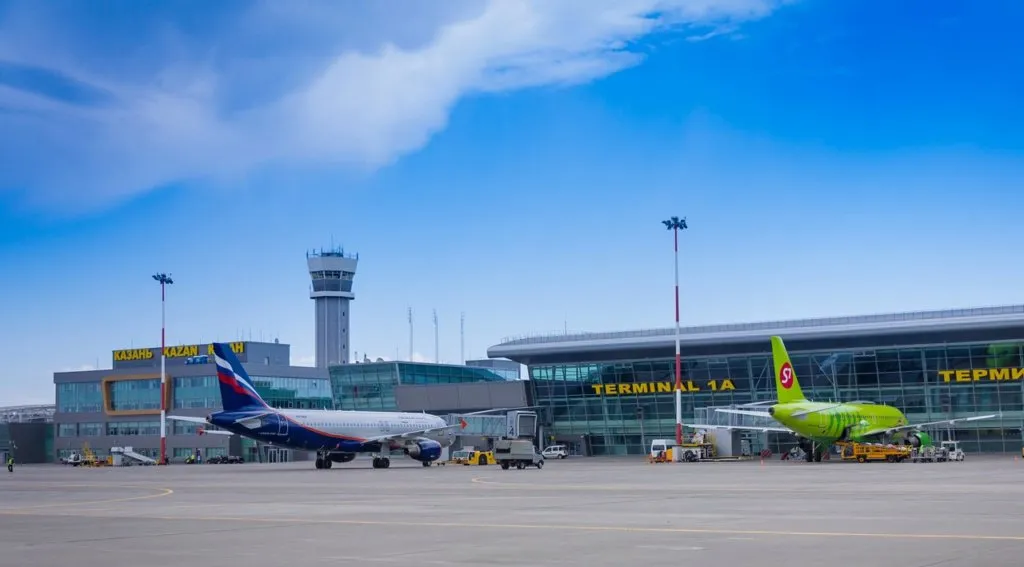
In August, Russian airports imposed operational restrictions nearly a thousand times due to attacks by Ukrainian drones—the highest number since the start of the full-scale war. According to Osprey Flight Solutions, the number of such incidents more than doubled compared to June.
As reported by The Wall Street Journal, Osprey Flight Solutions recorded 993 instances of restrictions at Russian airports in August. By comparison, there were 204 such incidents in January, 209 in February, 294 in March, and 304 in April.
In May, the number of restrictions rose to 433, in June to 461, and in July there was another spike—to 728 cases.
Osprey Flight Solutions predicts that attacks deep within Russian territory may become virtually inevitable by the end of 2026. Analysts also warn of the risk of mistaken target identification due to the active operations of Russian air defense systems.
Ukrainian President Volodymyr Zelenskyy previously stated that, in response to Russian strikes, Ukraine will adjust its operations regarding Russian airspace accordingly. He also warned that Russian airspace would effectively be closed, addressing in particular airlines that continue to operate flights to Moscow and St. Petersburg.
According to The Atlantic journalist Simon Shuster, the plan involves blocking Moscow’s airports using thousands of drones equipped with artificial intelligence. The publication previously reported that Ukraine was considering this plan, codenamed “M&Ms.”
Russian President Vladimir Putin responded to Zelenskyy’s statements with a threat regarding the possible consequences for Ukraine: “If, God forbid, such tragedies occur, we will find a way to respond.”
The strikes are affecting the Russian economy
In addition to disruptions in air travel, the attacks are having other economic consequences for Russia.
According to Energy Aspects, in August, Russian oil refineries processed about 3.8 million barrels of oil per day, compared to 5 million barrels during the same period last year.
Ukrainian attacks have also dealt a blow to the logistics infrastructure of Russian e-commerce retailers. Since July, there have been more than 30 attacks on the logistics centers of Wildberries and Ozon. According to estimates by the Moscow-based research firm Data Insight, damage to infrastructure and goods exceeded $10 billion, and lost sales over the next 12 months could amount to at least $12 billion.
Problems in the e-commerce sector have also heightened concerns about the Russian banking system, particularly VTB—a major lender to Wildberries and its suppliers. The bank’s stock has fallen by more than 25% since the beginning of the year and hit an all-time low at the end of August.
At the same time, Russian wheat exports more than halved in August—to 2.2 million metric tons, compared with 4.9 million metric tons a year earlier. According to SovEcon, this is the lowest figure since 2010, excluding isolated periods with lower export volumes. Company CEO Andriy Sizov predicts a wave of bankruptcies in the Russian agribusiness sector in the coming months.
Read also:
Drones Attacked Sochi: Over 100 Flights Canceled and Delayed at the Airport
In Sochi, Russia, a drone attack on the seaport was reported. Local residents reported loud explosions in the city center, after which people were urged to leave the port area.
On the night of September 2, the Moscow region of Russia came under a massive drone attack. According to the region’s governor, Andrei Vorobyov, Russian air defense forces allegedly shot down 56 drones over the region.




