
A workshop at the Proton plant in Orel was destroyed following a missile strike
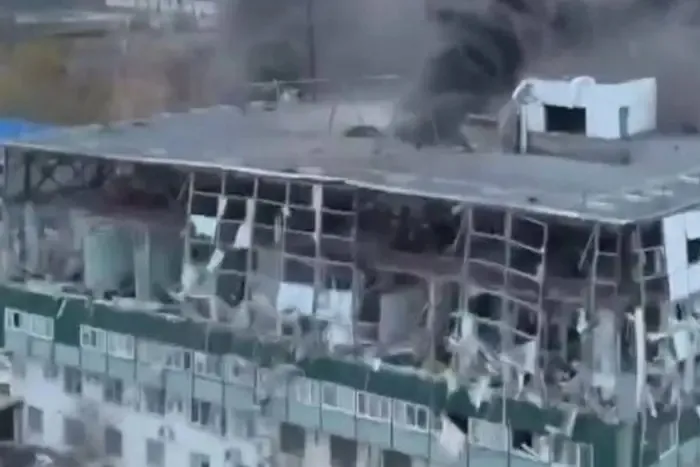
In the Russian city of Orel, the “Proton” plant—which manufactures electronic components for industry and specialized equipment—sustained significant damage following a missile strike. According to Russian media reports and published photographs, at least one production hall at the plant was destroyed, and part of the building’s floors, roof, and facade collapsed. According to Ukrainian sources, the plant’s products are also used by the Russian military-industrial complex.
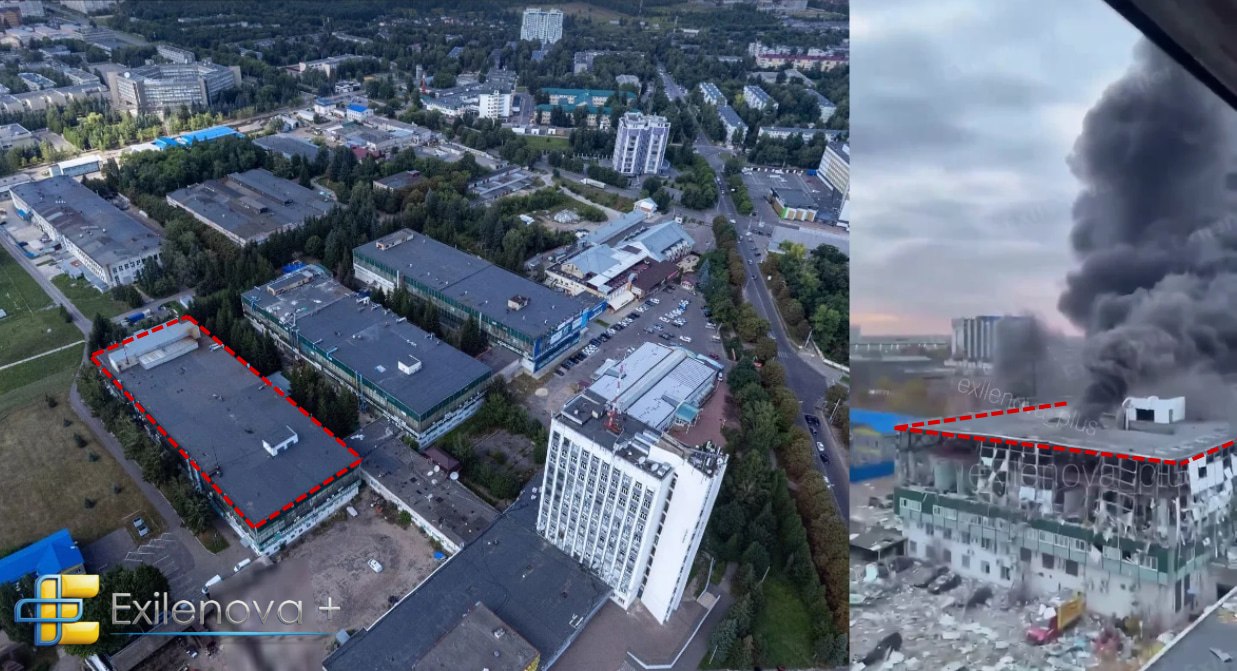
On the evening of October 23, explosions were heard in the Russian city of Orel. Thick black smoke rose over the city afterward. The Proton plant, which manufactures electronic components, was hit. Photos released show significant damage to one of the production buildings. Part of the upper floors collapsed, and the roof and facade structures were destroyed. Damage is also visible inside the building.
According to Russian media reports, several floors of the building collapsed. Footage of the incident was shared by eyewitnesses and monitoring organizations. Photos published by Exilenova+, among others, show the extent of the damage to the production facility.
Black smoke rose over the city following the explosions
According to local residents, at least four explosions were heard in Orel before the smoke appeared. Emergency services responded to the scene following the attack.
According to preliminary data, the facility may have been struck by Storm Shadow cruise missiles. However, this information requires confirmation. At this time, there is also no confirmed data on the number of casualties or the final extent of the damage.
What the Proton plant manufactures
The Proton plant specializes in the production of semiconductor devices, LEDs, and other electronic components. These products are used in various types of equipment, particularly in industrial machinery. According to Ukrainian sources, the company’s components are also used in the Russian military-industrial complex. Among the weapons that could use such electronics are the Iskander-M missiles, the S-71 “Kover” air-to-ground missiles, and the “Pantsir-S1” air defense systems.
At the same time, the reports provided do not contain detailed information about exactly which components were manufactured in the destroyed workshop or whether they were intended for specific types of weapons.
How the destruction could affect weapons production
Damage to the production facility could potentially affect the plant’s operations and the supply of its products. If the destroyed building was responsible for producing electronic components for military equipment, this could create additional difficulties for the relevant production chains.
However, it is not yet possible to assess the actual impact of the strike on Russian weapons production. This would require data on the condition of the equipment, the extent of the damage, and the possibility of relocating production to other facilities. As of the time of publication, there was no official, confirmed information regarding casualties, the full extent of the damage, or the timeline for resuming operations at the plant.
In the Moscow business center “Moscow City,” people were evacuated from the IQ-Quarter complex, which houses the offices of three Russian ministries.




