
The "Rassvet" satellites could intensify Russia's attacks on Ukraine
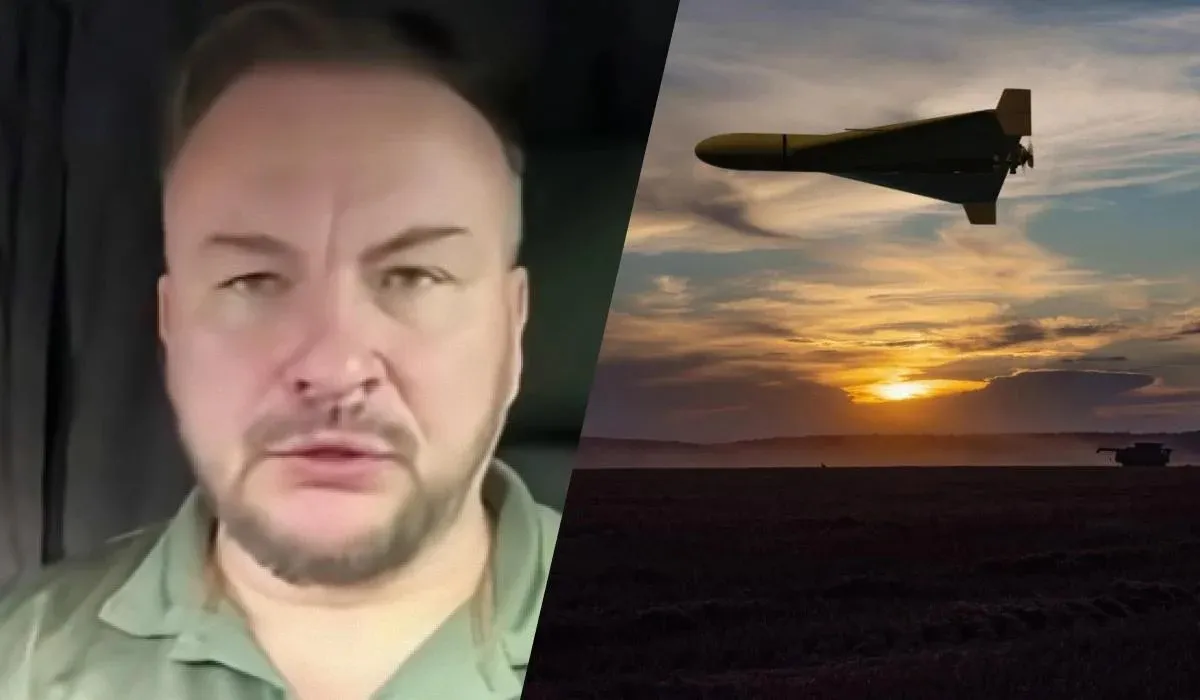
Russia could use its launch vehicles to simultaneously place a large number of “Rassvet” system satellites into orbit. Serhiy Beskrestnov, an advisor to the President of Ukraine on the development of defense technologies, believes that such a system could potentially enhance Russia’s capabilities in controlling drones and missiles.
The failed launches of Russian “Rassvet” satellites do not mean that Russia’s project can be written off.This is the view of Serhiy Beskrestnov, an adviser to the President of Ukraine on the development of defense technologies, known by the call sign “Flash.” According to him, Russia may refine the rockets and satellites and then attempt to place them into the desired orbits.
Beskrestnov suggested that one of the future launches could turn out to be significantly more successful than the previous ones. “They will refine the engines, and the satellites will reach the desired orbits. Russia is a space power, and it’s entirely possible that an Angara rocket will ‘unexpectedly’ place half of the Rassvet satellite constellation into orbit in a single launch,” Flash said.
Why “Rassvet” Is Dangerous
According to Beskrestnov, the main problem lies not simply in the satellites themselves. The issue is what Russia intends to use this system for. He believes the satellites could give the Russian military the ability to transmit commands and control strike systems in real time.
In particular, Flash mentions the potential use of “Rassvet” to control “Shaheds” and missiles. “This will be a huge problem for us. No, it’s not even a problem—it will be a minor catastrophe. Right now, we have a problem with electronic warfare against the MESH. No one has addressed this issue for a year. The same will happen with ‘Rassvet,’”—he said. At the same time, this is the expert’s assessment and forecast. Currently, there is no confirmation that Russia has already acquired the described capabilities in full.
Ukraine Needs Countermeasures
Beskrestnov emphasized that Ukraine must prepare in advance for the emergence of the Russian satellite constellation. In his opinion, by the time Russia is able to fully deploy the “Rassvet” system, Ukraine must have the means to counter it. This involves, in particular, the development of electronic warfare capabilities.
“All key infrastructure facilities must already be protected by these electronic warfare systems. All of this will not be cheap or quick,” Flash noted. In other words, he explained, this is not about a single, isolated electronic warfare system, but rather a broad network of capabilities designed to protect critical facilities from the potential use of satellite communications and navigation.
What’s Happening with Russian Satellites
Russia has already had problems getting its “Rassvet” satellites into the required altitude. In early fall, it became known that the second batch of Russian satellites in this system was unable to reach its optimal orbit. Against this backdrop, analysts at the Institute for the Study of War reported that some of the satellites might be losing their orbit.
These problems sparked a debate about how successfully Russia can deploy its own satellite system. Some experts have already called the “Rassvet” project a failure. In particular, Alexander Kovalenko, a military analyst with the “Information Resistance” group, attributed the project’s problems to corruption, a lack of technical and technological infrastructure, and the limited capabilities of Russian industry.
Russia Wants to Create Its Own Alternative to Starlink
The “Rassvet” project is viewed as one of Russia’s attempts to create its own satellite communications system and partially reduce its dependence on foreign technologies. This issue is important for Ukraine due to the potential military applications of such a system. If Russia succeeds in deploying a sufficient number of satellites, this could potentially expand its capabilities in communications, navigation, and the control of unmanned systems.
At the same time, current launch problems indicate that the Russian project is still facing technical difficulties. Whether Moscow will be able to overcome them and exactly when “Rassvet” will become operational as planned remains unknown. This was stated by Serhiy (Flash) Beskrestnov, an advisor to Ukrainian President Volodymyr Zelenskyy on the development of defense technology.
On the night of September 20, the Ukrainian military struck the Moscow oil refinery in the Kapotnya area. President Volodymyr Zelenskyy confirmed the strike and announced that one of Russia’s key oil industry facilities had been destroyed. The General Staff reported that a massive fire broke out on the refinery’s grounds following the attack.
The head of state also stated that Russia must end the war against Ukraine. “Moscow must stop building echeloned air defense rings at the expense of other regions and instead end its brutal war and choose peace,” Zelenskyy said. According to him, there are already possible steps toward de-escalation, particularly in the energy sector and food security. At the same time, the president emphasized the need for political will. Currently, the Ukrainian side continues to develop long-range weapons and strike Russian military and industrial facilities which, according to Ukraine, are linked to supplying its army. The head of state announced this on Facebook.
On the night of September 20, Moscow and the Moscow region came under a massive drone attack. One of the strikes hit the Gazpromneft-MNPZ oil refinery in the Kapotnya area of Moscow, after which a fire broke out at the facility.




