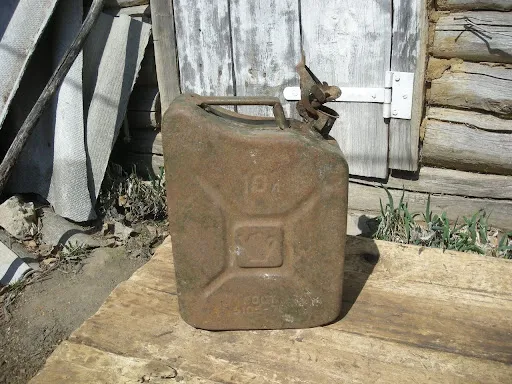
The fuel situation in Crimea is driven not by a single factor but by several overlapping ones, with logistics being the key one. According to a number of analytical and media sources, fuel deliveries to the peninsula are being hampered by the limited capacity of the Kerch Bridge and risks to land and sea delivery routes.
The result is a classic “distribution shortage” scenario: the resource formally exists, but it does not always reach end consumers evenly. This manifests itself in the form of lines at gas stations, temporary sales bans, or limits on fuel dispensing.
Fuel: From Rationing to the Black Market
At various times over the past few weeks, restrictions on gasoline sales have been reported—ranging from rationing systems to a complete suspension of sales to private individuals. Such measures are usually introduced not because of a complete lack of supply, but due to uneven distribution and an attempt to stabilize fuel stocks at gas stations. Under such conditions, secondary markets quickly emerge—including private sales, resale, or price gouging at locations with remaining stock.
Another factor is the rise in delivery costs. As logistics become more complex, each stage of transportation adds to the final price, creating sharp price gaps between the official and informal market segments.
Food and the Consumer Market
Alongside fuel, fluctuations are being observed in the market for staple goods. The most frequently mentioned items are those with high logistical dependence—grains, sugar, and basic grocery items.
Under such conditions, wholesale prices may converge with retail prices, indicating a breakdown of the usual multi-tiered supply chain. This does not necessarily mean a shortage of goods, but it does point to a reduction in inventory buffers and less predictable supply.
Logistics as the Key Node of the Problem
Analysts refer to this situation as a “managed shortage,” which occurs when the system is still functioning but is operating under constant constraints.
The key point here is not a lack of resources per se, but the difficulty in ensuring their stable delivery. Under such conditions, any logistics system begins to operate unevenly: some regions are better supplied, while others are worse off.
Transportation and Infrastructure Pressures
The transportation sector deserves special mention. There are reports of difficulties with bus and shuttle services due to risks on certain routes and changes in logistics routes.
This creates an additional domino effect: if transportation becomes more difficult, delivery costs rise; if delivery costs rise, the price of goods increases; and if prices rise, affordability for the population declines.
Energy and Infrastructure
Some reports point to instability in the energy infrastructure, which also affects logistics and the operation of urban systems. Periodic power outages or restrictions on energy supply further complicate the operation of gas stations, warehouses, and cold chains. Under such conditions, infrastructure problems begin to reinforce one another: fuel affects transportation, transportation affects supply, and energy affects all other links in the chain.
The situation in Crimea does not appear to be a sudden collapse, but rather a cumulative crisis of logistics and infrastructure. It is shaped by the intersection of three factors: complicated supply routes, limited reserves, and rising delivery costs. The result is an unstable equilibrium: basic needs are partially met, but with constant disruptions, rationing, and price fluctuations—which is the main hallmark of a “managed shortage” that is gradually evolving into a systemic problem.