
The ISW discussed the benefits Russia derives from drone incursions into NATO countries
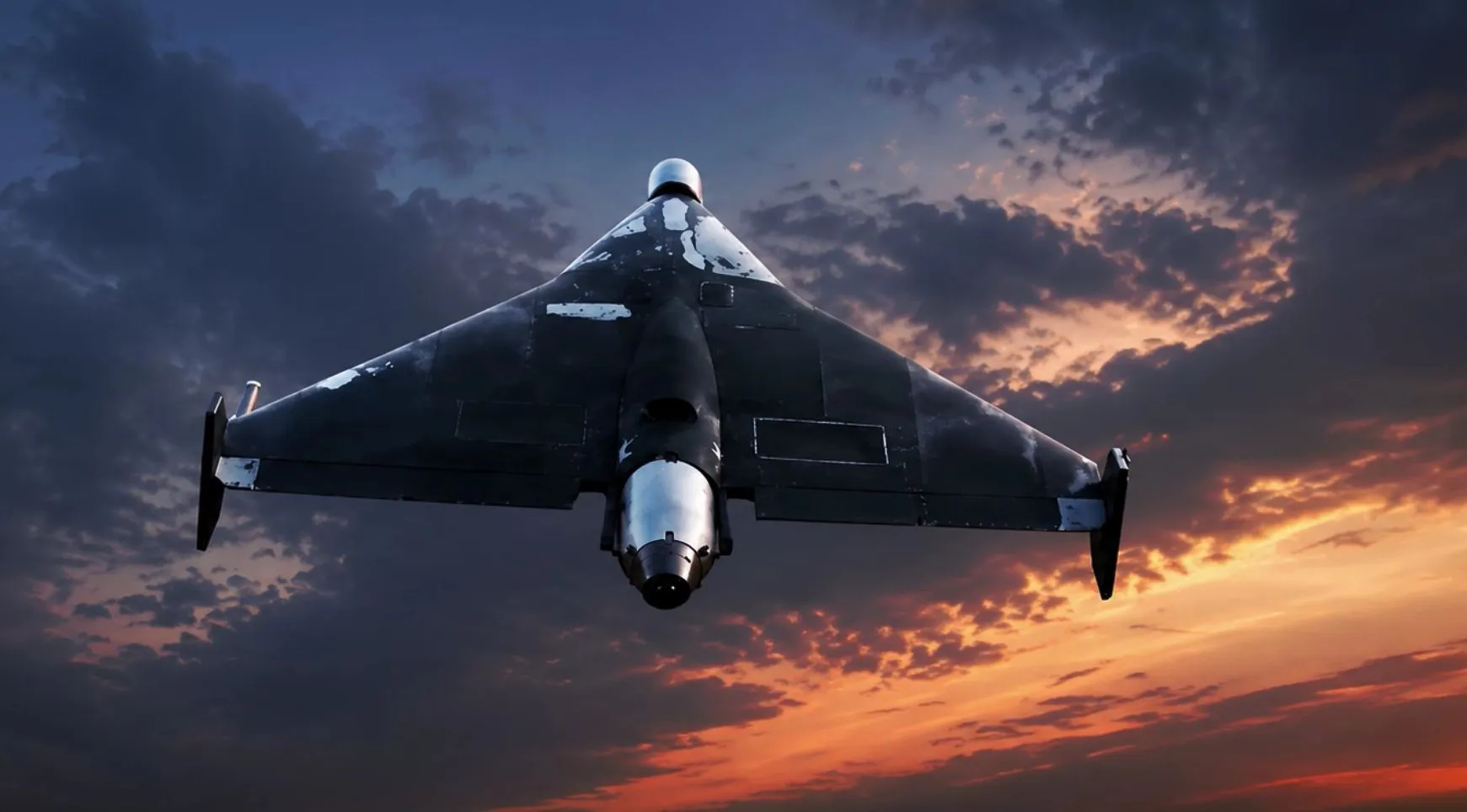
The Kremlin benefits from Russian drones violating the airspace of NATO countries and Moldova, as this forces the Alliance to focus on defending its own borders, calls into question the mutual defense guarantees under Article 5, and may hinder support for Ukraine. Jet-powered drones pose a particular threat, as they significantly reduce the response time of neighboring countries’ air defense systems.
Specifically, on September 8, a Russian drone remained in the airspace of Moldova and Romania for about an hour before crashing near the village of Mihăilenii Vechi. Official data indicate the likely use of a “Geran-4” jet drone, which is capable of speeds up to 450 km/h. At that speed, the drone can reach the Moldovan border from Odesa in approximately six minutes and the Romanian border in 20 minutes, making it significantly more difficult to intercept.
In recent weeks, Romanian authorities have repeatedly detected Russian drones near their borders and coastline. The Institute for the Study of War emphasizes that such incursions allow Russia to test Moldova’s and NATO’s defense systems and assess the Alliance’s readiness to respond to provocations in its airspace.
This was reported by the ISW (Institute for the Study of War).
On the morning of August 30, an air raid alert was declared in part of Tulcea County, Romania, due to an unidentified aerial target near the border with Ukraine. To monitor the situation, the Romanian military scrambled two F-16 fighter jets.
On the evening of Monday, August 24, Romania scrambled two F-18 fighter jets from the Spanish Air and Space Force after detecting two aerial targets moving toward the Romanian border.
Alona Shevtsova, CEO of Sends, will moderate a C-suite panel discussion at the 17th Middle East Banking Innovation Summit (MEBIS 2026), which will take place on September 16–17 at the Jumeirah Emirates Towers in Dubai.




