
September 3: Day of Remembrance in Tunisia — The Story of the Bloody Events of 1938
On April 9, Tunisia observes a Day of Remembrance dedicated to those who died during the mass protests of 1938. At that time, thousands of people took to the streets of Tunis demanding political reforms and the right for the country to determine its own future, and the French colonial authorities opened fire on the demonstrators.
Memorial Day, or Martyrs’ Day, is observed in Tunisia on April 9. This date commemorates the events of April 9, 1938, which became one of the most significant episodes in the Tunisians’ struggle against French colonial rule. At that time, Tunisia was under French protectorate rule. Formally, the country had its own bey and certain domestic institutions, but key decisions were largely controlled by the French authorities.
On April 9, 1938, large-scale demonstrations took place in the capital. People demanded political change, the establishment of a Tunisian parliament, and greater self-government. The protests quickly escalated into clashes with colonial forces. After Tunisia gained independence, the events of April 9 were officially designated as Martyrs’ Day. Since then, this date has become a day to honor those who died in the struggle for national rights and the country’s future independence.
What Happened on April 9, 1938
The events of April 9 were preceded by several months of tension. In 1938, the nationalist movement in Tunisia was growing increasingly active. Young politicians and activists demanded political reforms from the French authorities and greater representation for Tunisians in the country’s governance. One of the most prominent figures of that time was Ali Belhuan, who was known as the leader of Tunisian youth. He advocated for the creation of a Tunisian parliament and called on young people to become more actively involved in the national movement.
In March and early April, the authorities began arresting activists. This only intensified public discontent. A general strike was called for April 8, and large demonstrations took place in Tunis. The next day, April 9, the situation escalated sharply. Ali Belhouane was summoned to court over his political speeches. Hundreds of people gathered outside the courthouse, and the crowd began to grow rapidly.
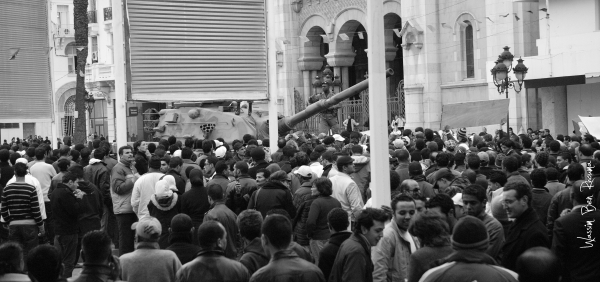
Clashes broke out in various parts of Tunis. Colonial authorities used firearms to disperse the protesters. As a result, 22 people were killed, and about 150 more were injured.
What the Protesters Demanded
The protesters’ main demand was the establishment of a Tunisian parliament. For that time, this was a very serious political demand, as Tunisia remained under French protectorate rule. The national movement gradually shifted from cautious calls for reform to more decisive demands for self-government. The people wanted Tunisians to have a real say in their country’s political life.
Young people played an important role in the protests. Many activists were students, schoolchildren, and young intellectuals. According to the Tunisian news agency TAP, most of the movement’s young leaders were under 30 and were willing to take risks for the sake of the national cause. Protesters also demanded the release of arrested activists. They opposed political restrictions and France’s colonial policies.
That is why the events of April 9 were significant not only because of the number of fatalities. They demonstrated that the struggle for political rights in Tunisia was no longer the concern of a narrow circle of politicians but was gradually transforming into a mass movement.
Why These Events Marked a Turning Point
The Tunisian national movement had already existed by 1938, but it was only after the events of April 9 that it became significantly more widespread and radical. The brutal suppression of the protests made it clear to many Tunisians that reaching an agreement with the colonial administration would not be easy. The repression did not stop the national movement; on the contrary, it strengthened it.
Following the protests, the authorities imposed emergency restrictions and began large-scale arrests of activists. Leaders of the Néo-Destour party were persecuted; the organization was later dissolved, and its press was banned. Hundreds of activists were brought before military courts. The events of 1938 became an important milestone on the path to Tunisia’s future independence. The country gained independence from France only on March 20, 1956—nearly 18 years after the bloody protests.

Therefore, in Tunisia’s collective memory, April 9 is associated not only with the specific day when demonstrators were shot. It is also a symbol of the long struggle for political rights, self-governance, and independence.
Who Are the Martyrs of April 9?
The name of the holiday—Martyrs’ Day—comes from the people who died during the suppression of the protests. In Tunisia, they are considered among those who sacrificed their lives in the struggle for national liberation. According to historical records, many of the dead were young people. Most of the victims were between the ages of 21 and 28. Among the dead were also children aged 10, 12, and 15.
The exact details of the events may vary slightly across different historical sources. In particular, different sources provide varying estimates of the death toll—ranging from 21 to 22 people. At the same time, the figure of about 150 wounded is often cited in accounts of the events of April 9, 1938.

In modern Tunisia, this date holds strong symbolic significance. The memory of those who died is linked to the struggle of previous generations for the country’s rights and independence. That is why Martyrs’ Day remains more than just a historical date on the calendar. It is a day of remembrance for those who died during protests against colonial rule.
How Martyrs’ Day Is Observed
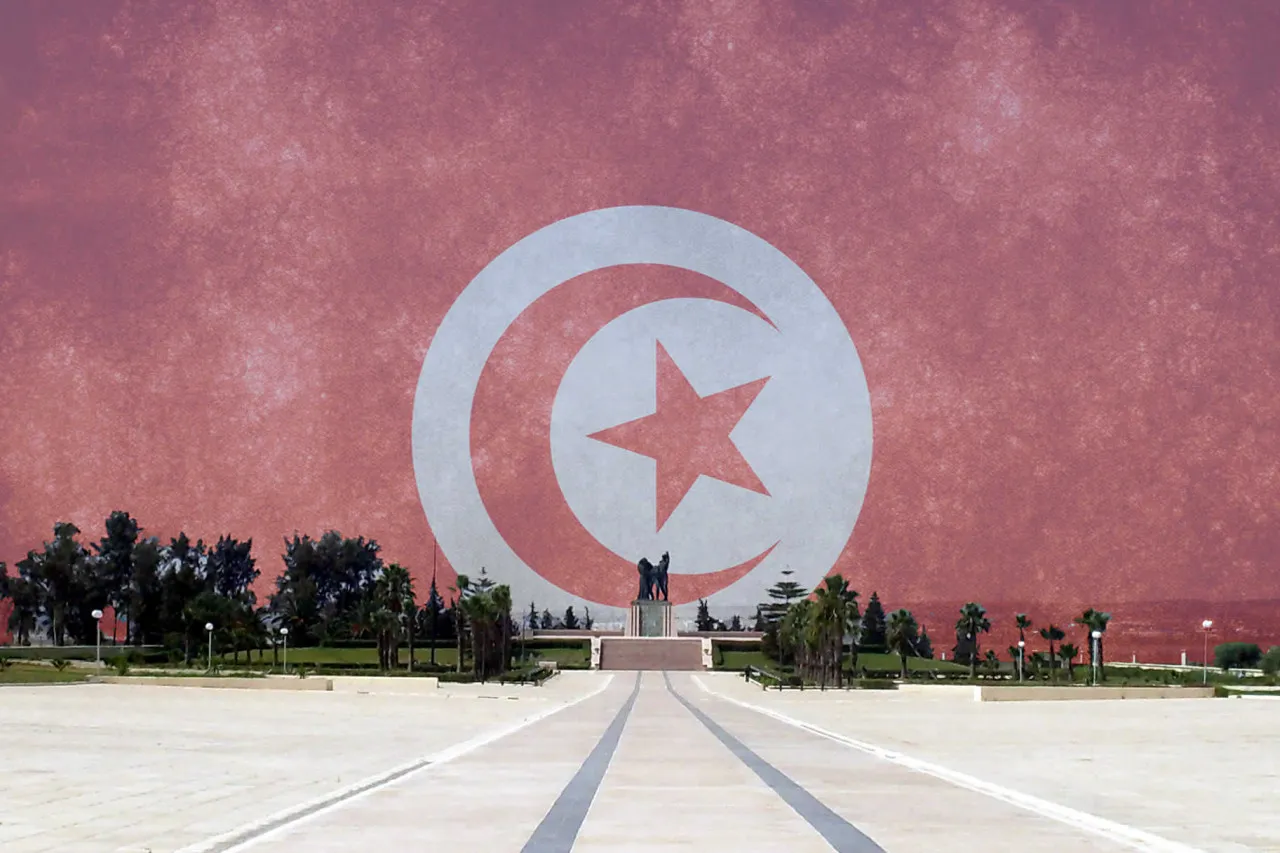
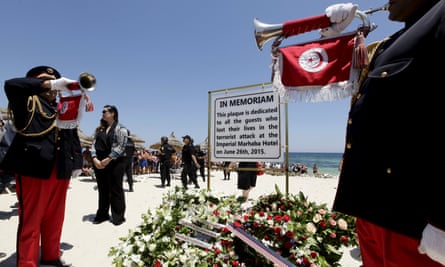
The main tradition of this day is official ceremonies honoring the fallen. Government officials visit memorials dedicated to the martyrs, lay wreaths, and pay tribute to their memory. One of the main venues for such events is the Martyrs’ Garden in Sijum, a district of Tunis. It is there that the memorial is located, near which the official ceremonies take place.
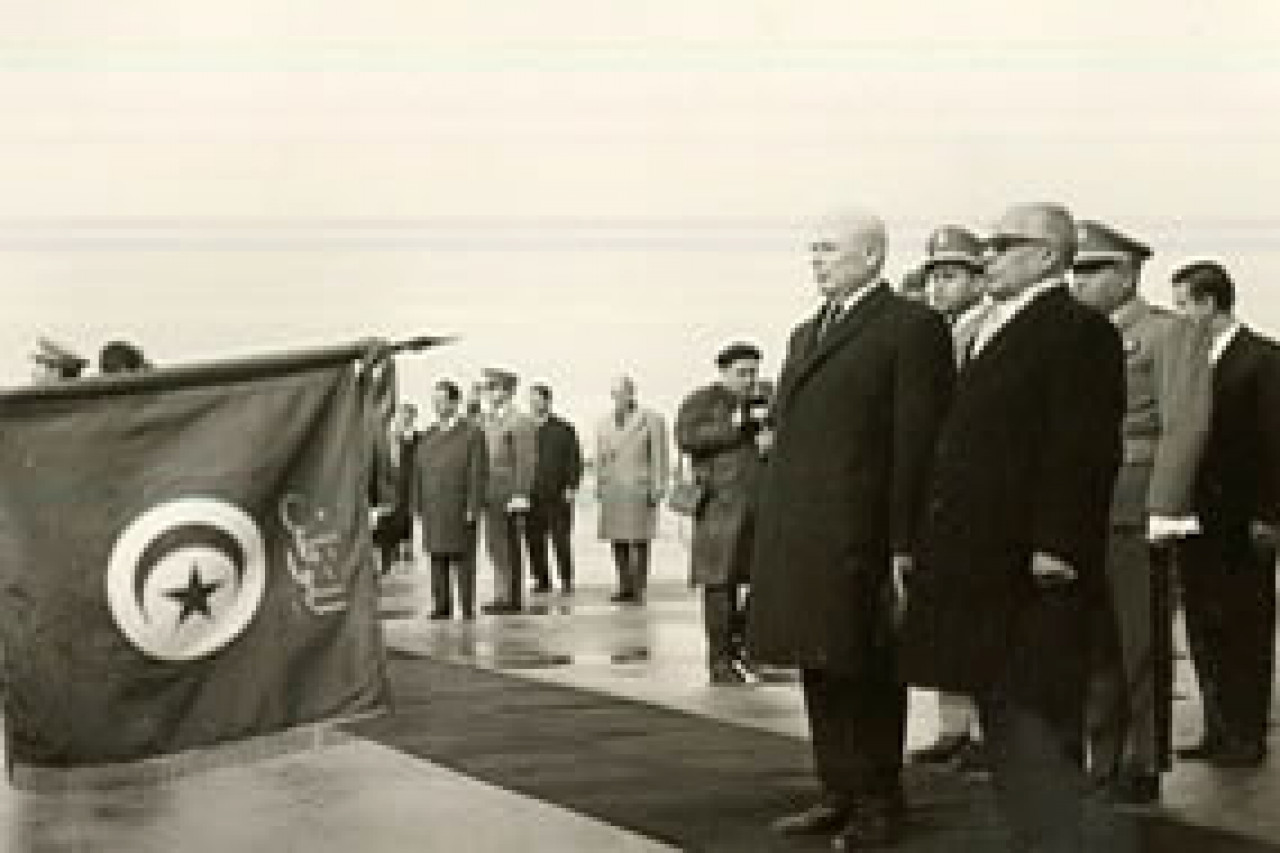
In 2026, Tunisian President Kais Saied took part in a ceremony marking the 88th anniversary of Martyrs’ Day. He saluted the national flag as the national anthem played, laid a wreath at the memorial, and recited the first surah of the Quran in memory of those who died. Such ceremonies are typically subdued in nature. The focus is not on entertainment, but on remembering the fallen, the history of the national movement, and the significance of the struggle for independence.
Schools, universities, and cultural institutions may also hold lectures, exhibitions, and other events dedicated to the history of the national movement. The younger generation is taught about the events of 1938 and the people who participated in the struggle against the colonial system.
Interesting Facts About Martyrs’ Day
One of the key features of this date is that April 9 was not originally a separate holiday. At first, it was a tragic date in the history of the national movement, and after independence was achieved, it became an official day of remembrance.
The events of 1938 did not take place only on April 9. They were preceded by protests, strikes, arrests of activists, and political rallies in various parts of the country. Therefore, April 9 marked the culmination of a much broader movement.
Young people played a major role in the protests. Among the activists were students and young political figures who demanded the establishment of a parliament and greater self-governance.
Another interesting fact is that after the protests were suppressed, the French authorities did not simply arrest individual participants. The crackdown affected the entire national movement. The Néo-Destour Party was dissolved, its offices were shut down, its documents were confiscated, and the nationalist press was suspended.
The events of April 9 also became an important part of the history of Tunisia’s future president, Habib Bourguiba. After the protests were suppressed, he and other leaders of the national movement were arrested and brought before a military court.
In 2026, Tunisia marked the 88th anniversary of the events of April 9, 1938. This means that the memory of those events has been preserved for nearly nine decades.
What Does Remembrance Day Mean for Tunisia Today?
Today, April 9 remains an important date on Tunisia’s historical calendar. It serves as a reminder of a time when the country was still under French protectorate and lacked full political autonomy. For modern Tunisians, this day is associated with the memory of those who died and with the history of the struggle for independence. It also serves as a reminder that the path to independence was a long one, marked by repression and human sacrifice.
Martyrs’ Day should not be confused with Tunisia’s Independence Day, which is celebrated on March 20. The country gained independence in 1956, whereas April 9 is dedicated to commemorating specific events that took place nearly two decades earlier. This date also helps explain why the events of 1938 occupy such a prominent place in Tunisia’s history. It was then that the demands of the national movement gained broader support, and the struggle for political rights took on a much more intense character.
Therefore, April 9 in Tunisia is, first and foremost, a day of remembrance. On this day, people remember those who died, honor participants in the national movement, and reflect on the events that marked one of the key milestones on the country’s path to independence.
When Is Remembrance Day in Tunisia in 2026?
In 2026, Remembrance Day in Tunisia fell on Thursday, April 9. This year, the country marked the 88th anniversary of the events of 1938. The main official ceremony took place at the Martyrs’ Garden in Sijum, Tunisia, with the country’s president in attendance. During the event, military honors were rendered, a wreath was laid at the memorial, and the memory of those who died was honored.

For Tunisia, this is not just a date on the calendar. It is a reminder of the people who died during the protests and of the struggle that ultimately led the country to independence.




