
NASA detects 40% more possible fires near Santarém — ScienceDaily
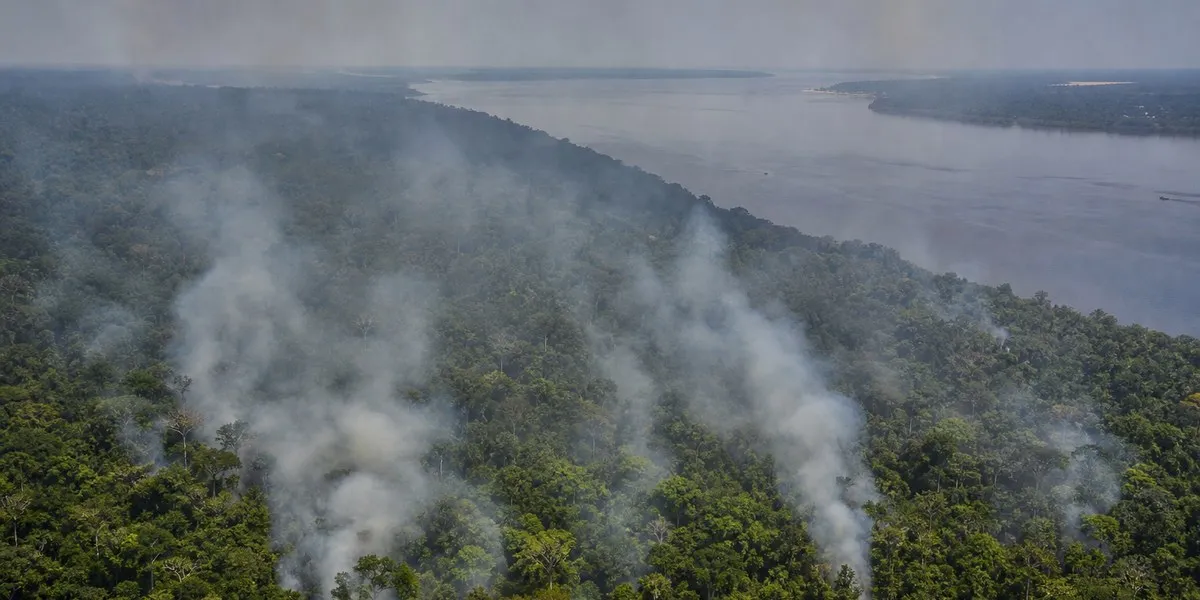
NASA researchers have recorded approximately 40% more possible fire hotspots near Santarém, Brazil, than are shown by standard data from the Fire Information for Resource Management System (FIRMS). Fire activity in the central and eastern Amazon has risen sharply since September 2026 amid a severe El Niño-related drought.
As ScienceDaily reports, several monitoring systems recorded fires and smoke emissions, including FIRMS, the Global Fire Emissions Database, and NASA Worldview. The affected area stretches from forests around Manaus and Santarém to the mouth of the Amazon River.
Smoke covered Manaus
On October 12, 2026, the MODIS instrument aboard NASA's Aqua satellite recorded large smoke plumes from fires on both sides of the Amazon River. Dense smoke covered Manaus, the capital of Amazonas state, where more than 2 million people live.
City authorities reported that concentrations of fine particulate matter, PM2.5, exceeded 135 micrograms per cubic meter. Due to air pollution, schools were closed, public events were canceled, and children's sports leagues were suspended in the city.
More current news is available on the UA.News Telegram channel Telegram.
Why satellites may not detect some fires
According to Douglas Morton, a scientist at NASA's Goddard Space Flight Center, nearly all fires in the Brazilian Amazon are human-caused: lightning strikes usually account for less than 1% of ignitions in this humid region. Under drought conditions, fire used for agricultural purposes — clearing pastures or burning crop residues — can spread to the dried understory of the tropical forest.
Brazil's National Institute of Meteorology reported that rainfall in Manaus was 95% below normal in August and 60% below normal in September. Satellite estimates indicate that between 50 and 70 uncontrolled fires are currently burning in the Santarém area alone.
University of Maryland scientist Shane Coffield, who works at NASA's Goddard Center, analyzes data from the VIIRS instrument to identify hotspots that do not meet the criteria of official FIRMS products. Smoke, clouds, and dense tree canopies make it difficult for satellites to detect fires slowly burning in the understory. Coffield plans to provide the locations of additionally detected hotspots to the MapBiomas network, which tracks fires and land-use changes in the Amazon.




