
August 6, 2026 — World Day for the Prohibition of Nuclear Weapons
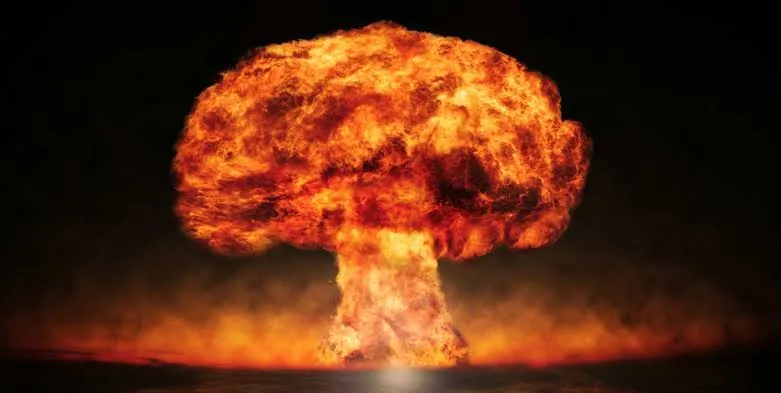
On August 6, the world observes the International Day for the Total Elimination of Nuclear Weapons. This date was not chosen by chance: it was on August 6, 1945, that the United States dropped an atomic bomb on the Japanese city of Hiroshima. The day is intended to remind people of the consequences of nuclear weapons, honor the victims of the bombing, and draw attention to the need to ban them.
August 6, 1945, became one of the most tragic dates in human history. During World War II, the American B-29 bomber Enola Gay dropped an atomic bomb, nicknamed “Little Boy,” on Hiroshima. The explosion occurred in the morning, at approximately 8:15 a.m. local time. The bomb detonated at an altitude of about 600 meters above the city. A vast portion of Hiroshima was destroyed almost instantly, and tens of thousands of people died in the first few hours after the explosion.

Even more people died later from burns, injuries, radiation sickness, and other effects of radiation exposure. It is difficult to determine the exact number of victims, but by the end of 1945, an estimated 140,000 people had died. Three days later, on August 9, 1945, the United States dropped a second atomic bomb on Nagasaki. Tens of thousands of people died there as well.
What Happened in Hiroshima
The atomic explosion differed from a conventional bombing not only in its immense power. It simultaneously caused a shock wave, extremely high temperatures, massive fires, and radiation exposure. In the area around the epicenter, the temperature was so high that people literally suffered fatal burns in a matter of seconds. Buildings collapsed, and fires spread rapidly throughout the city.
Many of those who survived the explosion later faced the severe consequences of radiation exposure. People developed cancer and other health problems. Some effects of radiation did not manifest until years or even decades later. The Japanese who survived the atomic bombings of Hiroshima and Nagasaki are called “hibakusha.” Some of them spent their entire lives sharing their experiences so that future generations would understand the potential cost of using nuclear weapons.
How the Day Against Nuclear Weapons Came to Be
August 6 is often referred to as the International Day Against Nuclear Weapons or Hiroshima Day. It originated as a commemorative date linked to the tragedy of 1945 and the international movement for nuclear disarmament.

On this day, events are held in various countries to commemorate the victims of the atomic bombing. People discuss the dangers of nuclear weapons, conduct educational activities, and call on governments to reduce their nuclear arsenals. This date holds special significance for the Japanese city of Hiroshima. Every year on August 6, a ceremony is held there to commemorate the victims of the atomic bombing.
How August 6 Is Observed
In Hiroshima, an official memorial ceremony is held annually in Peace Park. It is attended by representatives of the Japanese government, relatives of the victims, survivors of the bombing, and guests from other countries. One of the central moments is a minute of silence. It takes place at approximately the time of the atomic bomb explosion—8:15 a.m.
Ceremony participants remember the victims and pray for peace. New names of people who died as a result of the atomic bombing are also added to the memorial. In the evening, Hiroshima holds a traditional ceremony to release paper lanterns on the Motoyasu River. The lanterns symbolize the souls of the deceased and are an integral part of the commemorative events.
Hiroshima as a Symbol of the Struggle for Peace
Today, Hiroshima has become one of the world’s leading symbols of the struggle against nuclear weapons. The city is home to the Peace Memorial Museum, which houses artifacts, photographs, and testimonies from survivors of the bombing. Peace Park is home to the Peace Memorial, known as the Atomic Bomb Dome, and other monuments.
The Dome has become one of the most famous symbols of the tragedy. The building was located near the epicenter of the explosion but partially survived. Today, it is a UNESCO World Heritage Site. Every year on August 6, Hiroshima sends a single, powerful message to the world: nuclear weapons must never again be used against people.
How Many Nuclear Weapons Exist Today
Although 81 years have passed since the tragedy in Hiroshima, nuclear weapons have not disappeared. According to estimates by international research organizations, there are still thousands of nuclear warheads in the world today. Russia and the United States have the largest arsenals. The United Kingdom, France, China, India, Pakistan, North Korea, and Israel also possess nuclear weapons.

After the end of the Cold War, the number of nuclear warheads worldwide decreased significantly. However, the states that possess such arsenals continue to modernize their missiles, aircraft, submarines, and other delivery systems. That is why the issue of nuclear disarmament remains relevant. Countries around the world continue to debate how to reduce nuclear arsenals and prevent the use of weapons of mass destruction.
What Other Important Dates Are There?
August 6 is not the only international date related to nuclear weapons. August 29 marks the International Day Against Nuclear Tests. It was established by the UN to draw attention to the dangers of nuclear weapons testing.

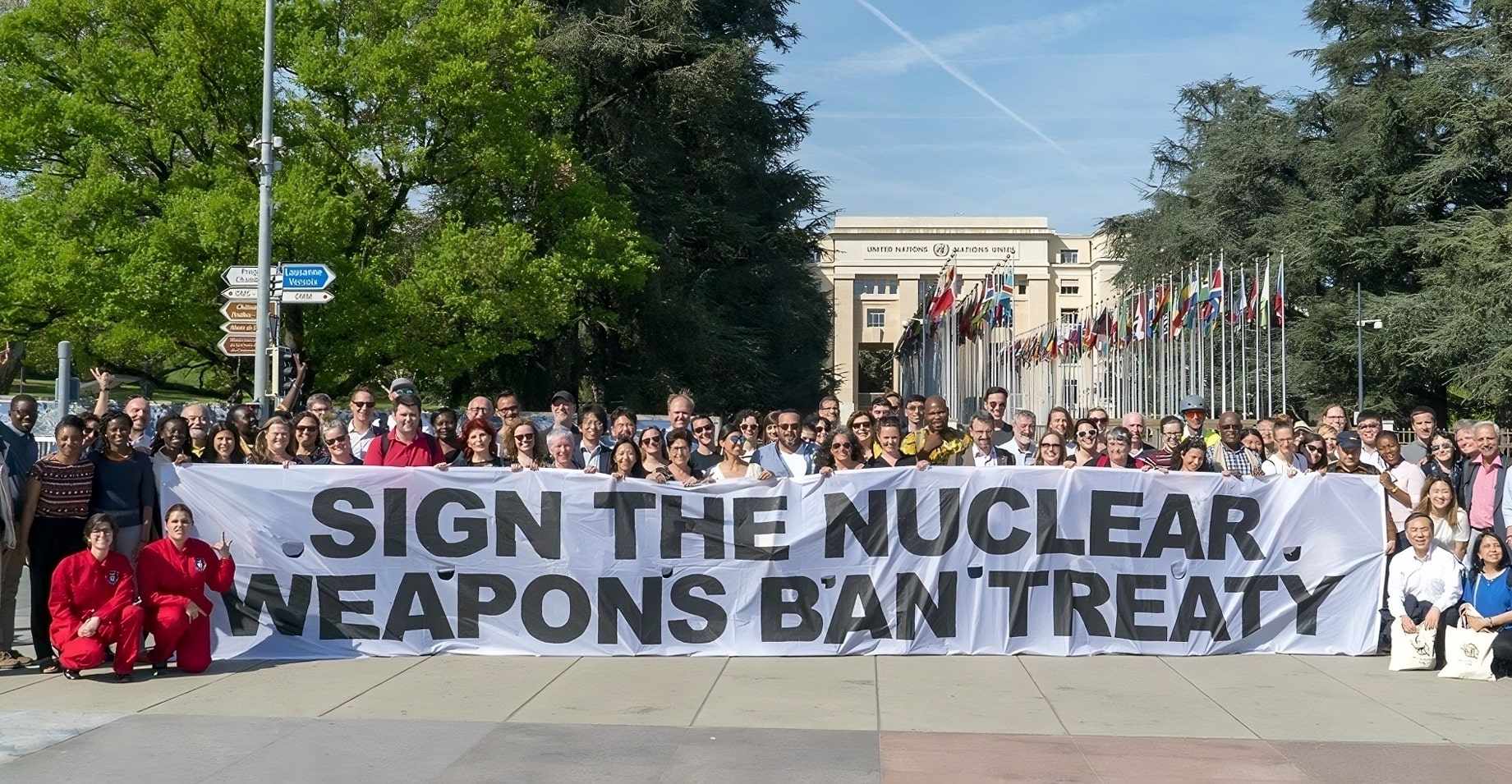
September 26 is the International Day for the Total Elimination of Nuclear Weapons. Its goal is to draw attention to the need for complete nuclear disarmament. In other words, August 6 is primarily associated with the memory of Hiroshima, August 29 with the fight against nuclear testing, and September 26 with the global goal of completely eliminating nuclear weapons.
Why We Remember Hiroshima Today
The memory of Hiroshima remains important not only for Japan. The tragedy demonstrated just how devastating the consequences of using nuclear weapons against a city and its civilian population can be. That is why, on August 6, the world discusses more than just the events of 1945. On this day, people are reminded of the need to prevent new nuclear attacks, reduce arsenals, and work toward international agreements.

For those who survived Hiroshima and Nagasaki, the main message remains a simple “Never again.” Their testimonies have become part of our historical memory and a reminder that human lives are always at stake behind military decisions. August 6 is a day of remembrance, but also a day of warning. The world remembers Hiroshima so that the tragedy of 1945 will not be repeated and nuclear weapons will never again be used against civilians.




