
AfD promises to terminate agreement with MDR if it comes to power in Saxony-Anhalt
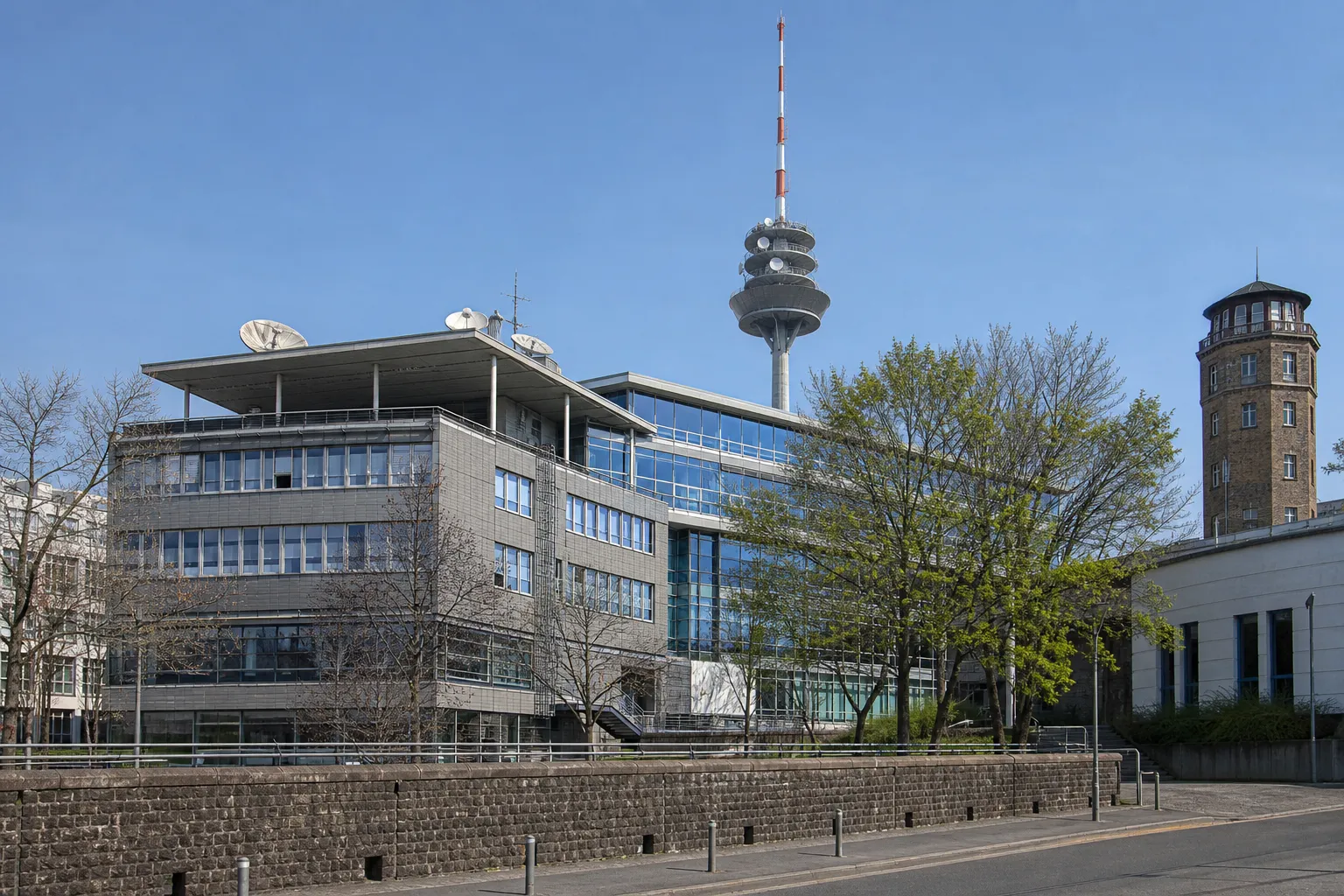
The far-right Alternative for Germany (AfD) party said that if it comes to power in Saxony-Anhalt, it will first terminate the state’s agreement with regional public broadcaster MDR. In the September elections, the AfD may for the first time assume leading positions in the government of a German federal state, YLE News reports.
MDR provides public broadcasting in three eastern German states and is one of the ten members of the ARD association, founded in 1950. At the end of August, the company released a television spot defending its status in Saxony-Anhalt, depicting a scenario in which a news broadcast is interrupted.
Dispute over MDR funding
The AfD criticizes the mandatory public broadcasting fee, which amounts to 220 euros per year per household. The party’s lead candidate, Ulrich Siegmund, promised to abolish this payment. At the same time, Christoph Heidemann, a legal researcher at the University of Turku, noted that an individual federal state cannot independently reduce or abolish the fee.
According to him, Germany’s Constitutional Court, relying on constitutional guarantees of freedom of expression, protects adequate funding for public broadcasters as well as their news, cultural and entertainment activities. If the AfD terminates Saxony-Anhalt’s agreement with MDR, it will become a constitutional-law issue, Heidemann believes.
The AfD proposes replacing the current MDR with a media outlet whose range of services would be reduced to the necessary minimum and with a supervisory body made up of “politically independent” members. The party calls the current supervisory body politically biased. MDR representative Michael Naumann said that the broadcaster is prepared to defend its constitutional status in court.
More current news is available on the UA.News Telegram channel Telegram.
Constitutional safeguards
After World War II, the Allies dismantled the centralized broadcasting system in West Germany, which under Adolf Hitler’s rule had been an important instrument of Nazi propaganda. The new model was intended to be independent of the government, pluralistic, decentralized among the states and protected from political capture.
Germany’s Basic Law also contains the so-called eternity clause: provisions on human dignity and the democratic order cannot be changed by any majority in the federal parliament. Caius Tuori, professor of European intellectual history at the University of Helsinki, warned that legal norms alone are insufficient if people do not believe in the values they protect.
Intelligence assessments and amendments to the state constitution
Saxony-Anhalt’s domestic intelligence service in 2023 classified the regional AfD organization as an unequivocally far-right movement; authorities in four other states reached similar conclusions. The nationwide domestic intelligence service classified the entire AfD as far-right in 2025, but the party challenged this decision in an administrative court, and the proceedings are ongoing.
In its program for Saxony-Anhalt, the AfD also advocates removing the right to asylum from federal legislation so that individual states determine asylum rules. In Germany, the right to asylum is guaranteed by the constitution. The party seeks to reduce social benefits for migrants who arrived from Ukraine and promote their return to Ukraine.
In spring, a broad coalition in the Saxony-Anhalt parliament added a provision to the state constitution setting a deadline for holding the next elections. It can be changed only by a two-thirds majority. The purpose of the amendment is to guarantee that elections are held regardless of the results of the September vote.


