
Australia’s Geelong and Broadmeadows reflect on Ford factory closures — ABC News Australia
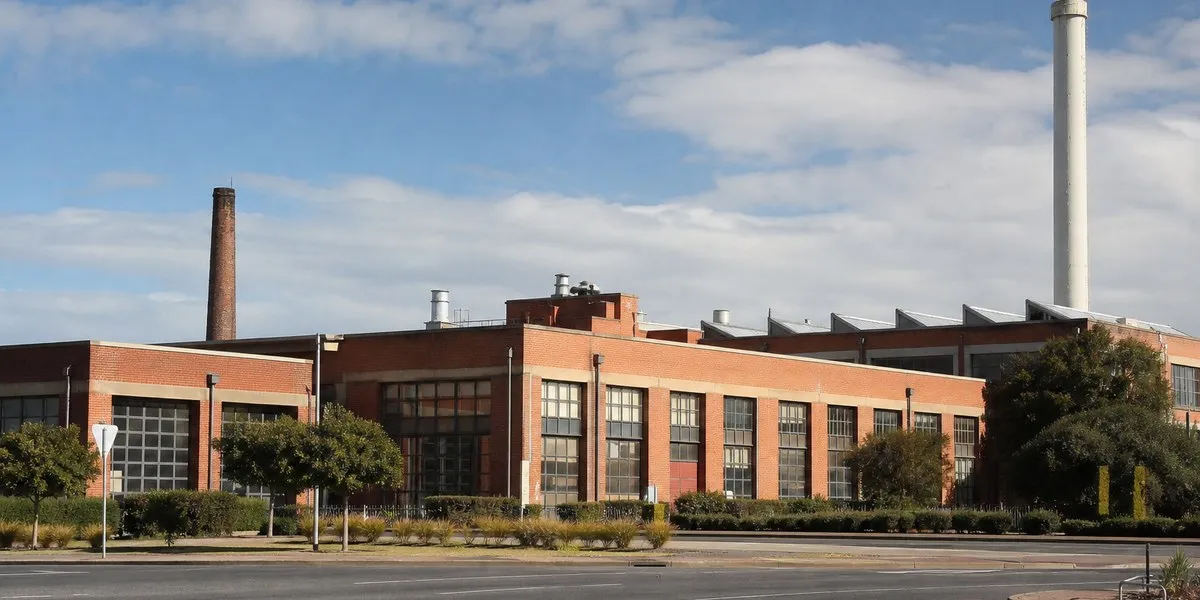
In Australia, former employees of Ford factories in Geelong and Broadmeadows are describing the difficult transition to a new life ten years after car production ended. The facilities closed on 7 October 2016, although some staff left their jobs or were transferred before the final closure.
As ABC News Australia reports, about 5,000 people worked at the two factories during their most active period. In 2013, the company announced plans to cut about 1,200 manufacturing jobs across both sites. Ford president Bob Graziano said at the time that the company’s Australian operations had incurred losses of more than $600 million over five years, while costs were significantly higher than in Europe and Asia.
Workers searched for new jobs
Tony Travers worked at Ford for 28 years, while 17 members of his family worked at the Geelong factory over its 90-year history. After leaving the company, he made camper trailers, repaired road surfaces and replaced road signs. According to him, adapting to different work rules after many years at Ford was not easy.
Henry Fuller, who worked at the Geelong factory for 35 years, drove buses for most of the past decade and is now looking for part-time work. Anthony Anderson, who spent 33 years at Ford, helped colleagues look for vacancies in the final days of the facility’s operation. He noted that many workers found it difficult to prepare résumés and attend job interviews because they had not changed jobs for decades.
More current news is available on the UA.News Telegram channel Telegram.
The cities’ economies after the closures
The unemployment rate in Geelong stood at 6.5% after Ford’s closure and later fell to 4.5%. In the City of Hume, which includes Broadmeadows, it reached 9.9% at the end of 2016 and now stands at 6.4%.
In Geelong, the manufacturing sector has partly diversified. Sykes Rowing received $50,000 from the $29.5 million Geelong Region Innovation and Investment Fund, created to support local businesses after Ford’s closure. The funds were spent on an engineering team and equipment that the company uses to produce boat components and drone parts.
The former Geelong factory now operates as an industrial site with several tenants, including an online retailer, steel and automotive businesses, and a manufacturer of components for F-35 fighter jets. In Broadmeadows, Singaporean company Zerra DC plans to build a data centre on the site of the former factory, although the project has prompted opposition from part of the local community.




