
Britain to use Ukrainian battlefield data to train AI
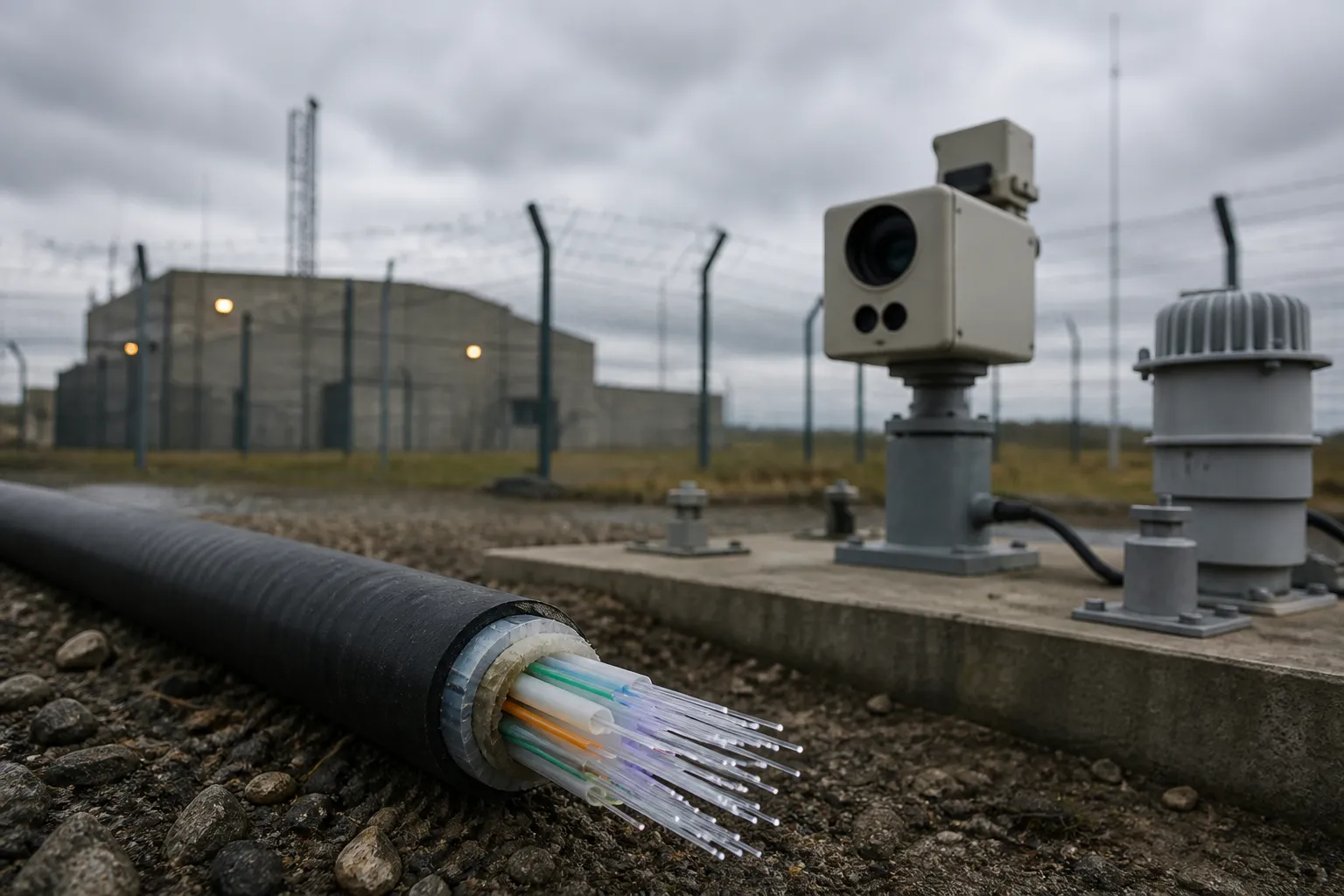
The United Kingdom and Ukraine have signed an agreement under which artificial intelligence models will be trained on data from the Ukrainian battlefield to protect British military sites, railways and energy infrastructure. The technology is planned to be used to identify protesters or possible attacks by hostile states, The Guardian reports.
Pilot project at a defence site
The first pilot project will be implemented at one of the United Kingdom's defence sites. It involves the use of AI-optimised sensors in fibre-optic cables laid underground. The system is intended to distinguish between different types of movement by people and vehicles around sensitive sites.
The British government said that if the technology is successfully tested, it could be used at airports, prisons, railways and energy facilities. In the future, AI models are expected to help determine more quickly when railways, power grids or military bases may face threats or pressure from hostile actors.
More current news is available on the UA.News Telegram channel Telegram.
Access to Ukrainian data
Private companies will be able to access the Ukrainian Avengers AI laboratory's data repository after approval by the UK Ministry of Defence and through a secure platform. Pilot projects have already been approved for three British companies: Sintela, Mind Foundry and Skyral.
The partnership will make it possible to train British security systems on operational data on drones, videos of strike missions and flight profiles. The repository is likely to include material on attempts by Russia, the aggressor state, to sabotage Ukraine's critical infrastructure. According to the publication, the military data repository collected over four years provides a much broader picture than models that had previously been trained mainly on open sources.
University College London computer science professor Steven Murdoch noted that movement-detection technologies using sensors in fibre-optic cables have existed for decades. At the same time, he said it remains unclear whether data from Ukraine can significantly improve such systems, but stressed their potential value for studying new threats, including those related to drones.




